Elecampane – traditional medicinal and aromatic perennial with a warm, spicy fragrance and an impressive, statuesque presence.
Perennial, with upright stems reaching up to 2 m and large, golden‑yellow flowers. The strong, aromatic root contains essential oils, bitter compounds and inulin, and has been used for centuries in teas, tinctures and herbal preparations. The plant is robust, long‑lived, clump‑forming and fully hardy. Excellent for naturalistic gardens, cottage gardens and as an impressive structural plant. Ideal for herbal applications, incense blends, liqueurs, syrups and the traditional home apothecary.
 Origin & History
Elecampane (Inula helenium) is one of the oldest documented medicinal and aromatic plants of Europe and Western Asia. Its original range includes moist meadows, light woodlands and riverbanks in temperate regions. The traditional plant is mentioned in the 1st century AD in Dioscorides’ De Materia Medica, where the root is described as a warming, aromatic remedy for coughs and digestive complaints. Pliny the Elder also refers to its use in his Naturalis historia, highlighting the characteristic fragrance of the root. The species belongs to the aster family (Asteraceae), subfamily Asteroideae, and the genus Inula.
In the early Middle Ages, elecampane remained a valued cultivated plant. In the Capitulare de villis (c. 812 AD) it is listed as an important medicinal and useful plant for monastic and estate gardens. Hildegard of Bingen described it in the 12th century as a strengthening, warming herb. In Renaissance herbals — including Leonhart Fuchs’ New Kreüterbuch (1543) and later in the works of Tabernaemontanus — elecampane appears as a versatile medicinal root and an aromatic ingredient for sweets, wines and healing tonics.
For centuries, elecampane was used in cough syrups, herbal wines, bitter liqueurs, incense blends and strengthening elixirs. In folk medicine, the root was regarded as warming, expectorant, digestive and fortifying. Regionally it was candied or preserved in syrup. It also played a role in incense traditions, as the dried root releases a warm, balsamic fragrance when burned. With the rise of naturalistic gardening in the 19th and 20th centuries, elecampane regained importance and is now valued as a traditional, robust medicinal plant that supports biodiversity and serves as a long‑lived structural perennial in natural and cottage gardens.
 Appearance & Characteristics
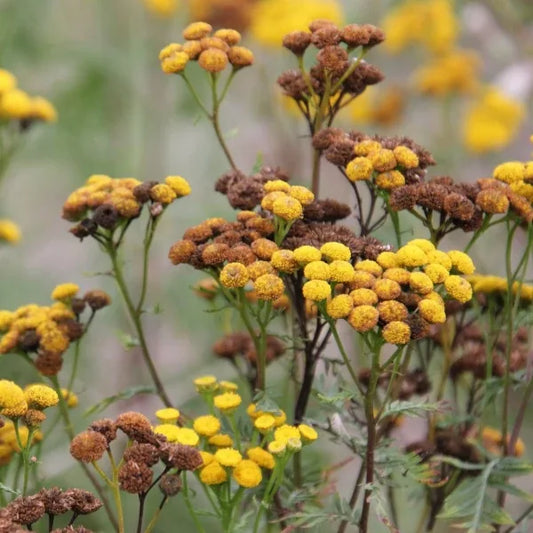
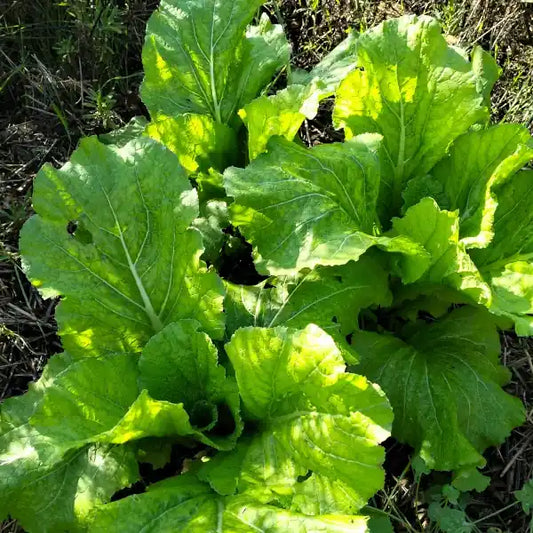
The plant is perennial and clump‑forming, with strong, upright stems. Its large, broad‑lanceolate leaves can reach 30–60 cm in length, giving the perennial an impressive, architectural appearance. In high summer it produces bright yellow, star‑shaped flowers that attract numerous pollinators. Elecampane develops a powerful, deep‑reaching taproot with an aromatic rootstock and is fully hardy down to about –25 °C.
Plant details:
Height: Tall, 100–200 cm
Form: Upright, herbaceous, clump‑forming
Leaves: Large, lanceolate, 30–60 cm
Flowers: Golden yellow, 5–8 cm, radiate
Flavor: Warm‑spicy, aromatic, slightly bitter
 Usage & Cultivation Highlights
Elecampane is excellent for teas, tinctures, herbal wines, syrups, incense blends and aromatic preparations. The root is especially fragrant and has traditionally been used for cough teas, bitter liqueurs and herbal elixirs, while dried pieces release a warm, spicy‑resinous aroma ideal for herbal baths, salves, oil infusions and incense. In historical cuisine, elecampane root was ground into a fine powder and used in spiced baked goods, herb breads and hearty herbal fillings. It also refines herb oils, vinegars, digestifs and aromatic honey or oxymel preparations, and is well suited for bitters, stomach liqueurs and traditional herbal wines. The decorative flowers can be dried, bundled or used as ornamental elements in herbal bouquets. The root also played a role in gruit mixtures for historical herb beers and mead preparations, and served as a natural dye plant producing yellowish to brownish tones.
In the garden, elecampane impresses with its robustness, longevity and imposing stature. It grows reliably in borders, naturalistic and cottage gardens, and in sunny to partially shaded locations. Its deep taproot provides excellent drought tolerance, while the large flowers offer valuable forage for wild bees and hoverflies. This low‑maintenance, cut‑tolerant perennial stabilises the soil with its strong root system and makes a striking statement as a solitary plant or background perennial. Elecampane is fully hardy, largely disease‑resistant and develops early structural presence in the bed, while its late‑summer bloom adds colour to the second half of the season. Its height makes it ideal for creating sightlines and natural backdrops. It produces sturdy cut flowers, casts beneficial shade on the soil, withstands wind well and contributes to soil loosening through its deep root system. Even in extensive plantings and herb gardens it proves to be a resilient, ecologically valuable perennial.
Compared to many other medicinal perennials, elecampane is particularly tall, aromatic and versatile — ideal for anyone seeking a traditional, decorative and ecologically meaningful medicinal plant.