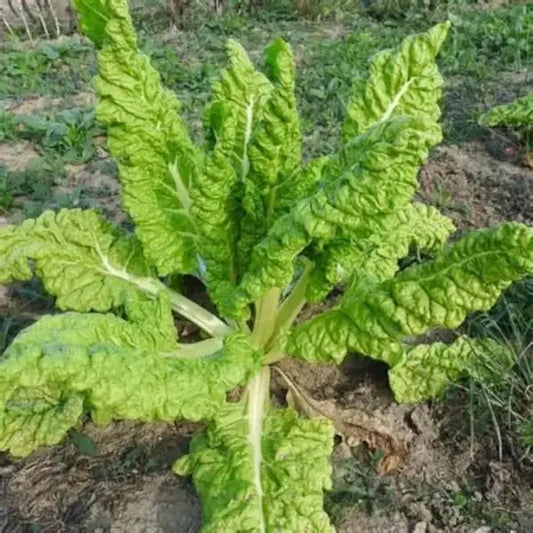
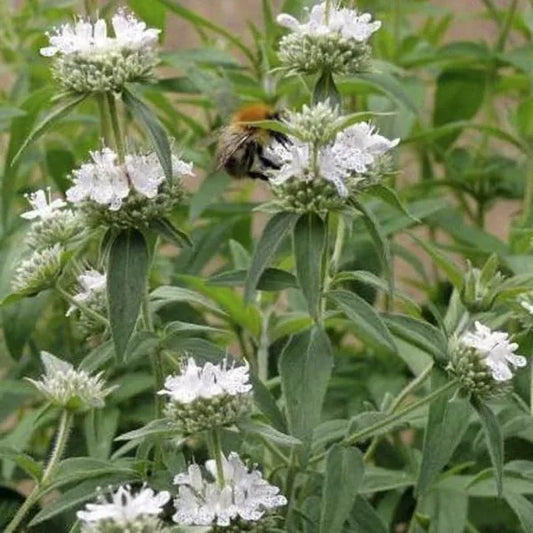
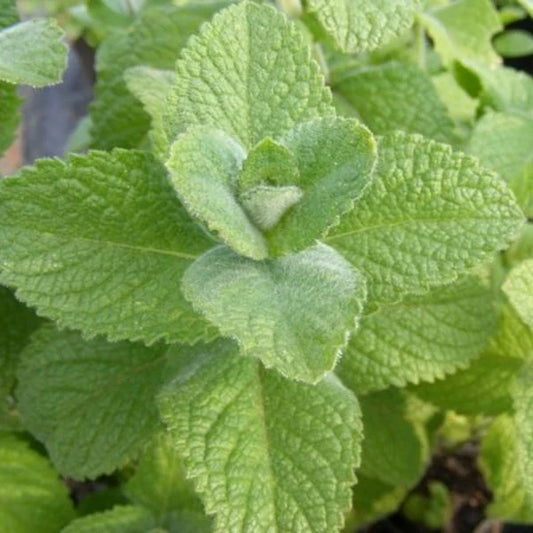
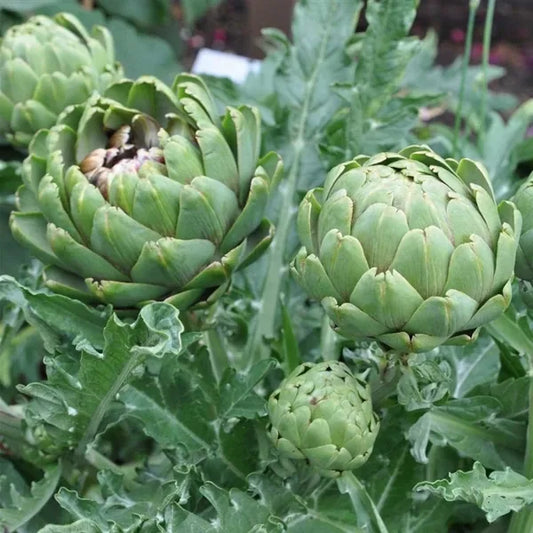
The perennial artichoke 'Imperial Star' is a leaf vegetable and medicinal plant. The flowering vegetable is very robust and fast-growing with an earlier flowering phase than other varieties. Many valuable ingredients and a strong, mild taste. Ideal for direct sowing and pre-cultivation, no pot culture, sowing spring-summer-autumn, good for mixed culture, harvesting the flower buds.
Description
The 'Imperial Star' artichoke is an old perennial leaf vegetable and medicinal plant from the Mediterranean region. This flowering vegetable was already highly valued and cultivated by the ancient Egyptians. In the 13th century, the artichoke was introduced to Europe by the Arabs and cultivated on the Canary Islands and Sicily. The 'Imperial Star' is a very robust and fast-growing variety which, due to its early flowering phase, is particularly suitable for cultivation in temperate, cooler climates. The plant forms dark green, broad leaves with white ribs. The fine taste is strong and mild. Due to the many valuable ingredients, the plant is a useful tool for losing weight.
General information
Plant family: Asteraceae
Life cycle: Perennial
Days to harvest: 270 days
Plant height approx.: 180 cm
Root type: Deep rooter
Nutrient requirements: High
Water requirements: High
Winter hardiness: Up to -10°C
Location: Sunny
Soil: Permeable, humus-rich loamy soil
pH value: 6.5 to 7.5
Sowing and planting information
Germination type: Dark germinator
Sowing depth: 2-4 cm
Optimal germination temperature: 20-25 °C
Germination time: 5-10 days
Plant and row spacing: 80x100 cm
Germination ability of seeds: 3-4 years
Mixed culture
Optimal mixed culture: Lettuce, Fennel, Radish, Broad bean, Cucumber, Potato
Unfavorable mixed culture: Garlic, Chives, Celery, Onion
Sowing by climate zone
Subtropic climate (Mediterranean) (e. g. B. Portugal, Spain, Italy)
Direct sowing from March to June is recommended. The plants should ideally be in a sunny location.
Moderate climate (e. g. B. Germany, Switzerland, Poland)
Pre-cultivation from February to May is recommended. The plants should ideally be located in a warm, sunny location.
General recommendations
In subtropical climates, direct sowing is more sensible. For pre-cultivation, sow the seeds in a small bowl and let the seedlings grow until the first visible artichoke leaves appear, then transplant them into the desired containers. After transplanting, let the seedlings grow at moderate temperatures until they are ready to be planted out as seedlings. Plant the seedlings in the bed from the second pair of leaves after the cotyledons.
Artichoke 'Imperial Star' prefers a permeable, nutrient-rich, moist and humus-rich loamy soil. It also thrives in moderately dry and normal loamy soils. Doesn't tolerate waterlogging.
Additional tips
If sown later, the flowers will appear the following year and will be harvested while still closed. In subtropical climates, the plant will thrive outdoors for several years, but in cooler, temperate climates it will need winter protection. In order to quickly obtain a fine, crumbly and permeable soil with good nutrient and water retention capacity, it is recommended to add biochar and rock flour.
Type of propagation
Propagation occurs via seeds.
Plant care
Loose, nutrient-rich, moist soil is important for growth and quality fruit formation. Fertilizing with plant manure promotes new growth in spring.
Other names
Botanical names: Cynara cardunculus var. scolymus
English names: Artichoke
German names: Artischocke
Portuguese names: Alcachofra
Spanish names: Alcachofa, alcaucil
French names: Artichaut
Origin
Country: Portugal