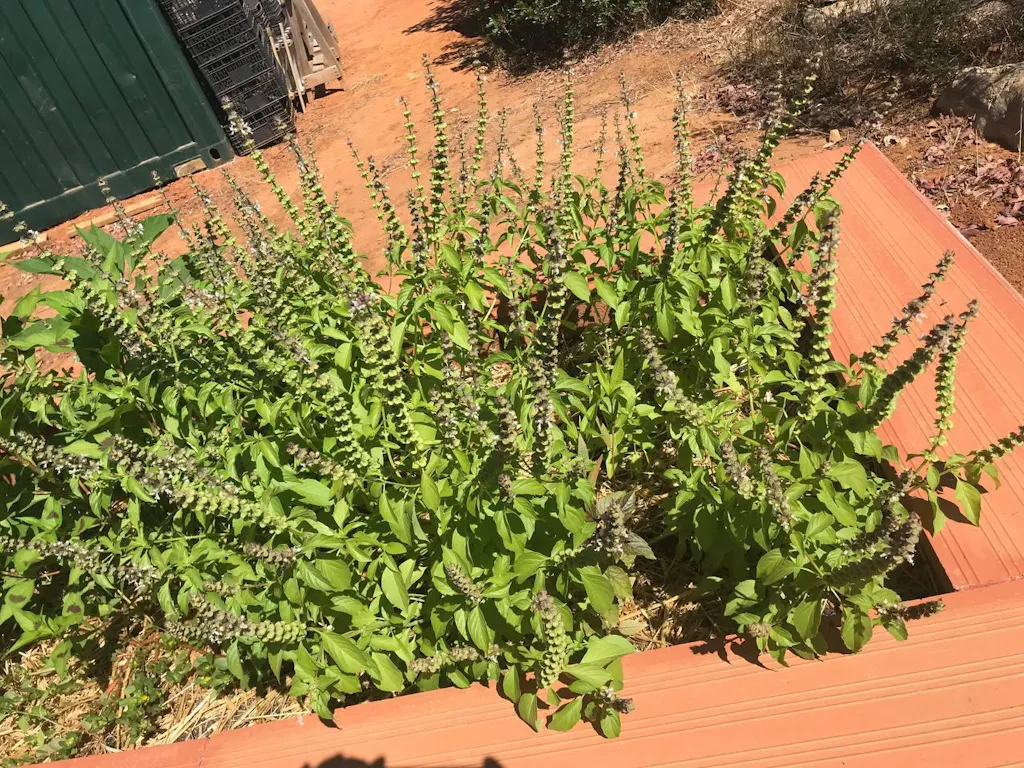
The perennial Mountain arnica is a wild, rare, and genuine tea and medicinal plant that has played a significant role in the development of homeopathy. It is an indispensable component of herbal medicines and an excellent bee pasture for preserving biodiversity. Ideal for direct sowing or pre-cultivation, pot cultivation possible, sowing spring-winter, good for mixed culture, harvesting roots and flowers.
Description
Mountain arnica is a perennial, genuine tea and medicinal plant that is only occasionally found in the wild. In nature, the wild plant occurs in mountainous and heathland regions throughout Central Europe and prefers to grow on poor pastures, mountain meadows, and dry moorland and forest meadows. The perennial, clump-forming plant forms elongated, oval leaves and produces bright yellow flowers that exude an intense aroma. For centuries, Arnica montana has been valued in herbal medicine and traditional medicine for its anti-inflammatory, pain-relieving, and antimicrobial properties. The first written mention of the plant dates back to the Middle Ages. It enjoyed particular popularity in the 18th century, when it became the subject of research in the developing scientific field of medicine. Goethe also valued the plant and made tea from it to relieve age-related ailments. It was frequently used to treat injuries and was important for the development of homeopathy. In countries like Germany and Switzerland, it is an essential ingredient in herbal medicines. Please note that arnica is only suitable for external use, as ingestion with the wrong dosage can be toxic. The medicinal herb is available in cream, gel, or ointment form. It is an excellent bee pasture for preserving biodiversity, attracting pollinators such as bees and butterflies.
The Mountain arnica is an endangered wild plant species and is protected!
General information
Plant family: Asteraceae
Life cycle: Perennial
Days to harvest: 120 days
Plant height approx.: 50 cm
Root type: Deep rooter
Nutrient requirements: Low
Water requirements: Medium
Winter hardiness: Up to -23°C
Location: Sunny
Soil: Permeable, humus-rich sandy loam soil
pH value: 4.5 to 6
Sowing and planting information
Germination type: Light and cold germinator
Sowing depth: 0 cm
Optimal germination temperature: 3-10 °C
Germination time: 14-21 days
Plant and row spacing: 25x25 cm
Germination ability of seeds: 1-2 years
Mixed culture
Optimal mixed culture: Heather, Blueberry, Daisy, Milfoil yarrow
Unfavorable mixed culture: -
Sowing by climate zone
Subtropic climate (Mediterranean) (e. g. B. Portugal, Spain, Italy)
Direct sowing is recommended from December to February. The ideal location for the plants is sunny.
Moderate climate (e. g. B. Germany, Switzerland, Poland)
Direct sowing from February to March is recommended. The ideal location for the plants is sunny.
General recommendations
The seeds require approximately 7-8 weeks of exposure to cold at 2°C, followed by warmer temperatures to break dormancy. This can be achieved by artificial stratification in the fridge. Direct sowing is recommended. After germination, thin the plants to the specified plant spacing. Mountain Arnica does not thrive ideally in conventional soils; it is essential to add sand and create an acidic, nutrient-poor environment; otherwise, the young plants will quickly die. It can also be planted in pure, nutrient-poor peat. Sowing and germination are straightforward and generally produce good results. Pre-cultivation is also advisable to effectively utilize the scarce seed stock available.
Mountain arnica does not thrive ideally on conventional soils, therefore it prefers a permeable, nutrient-poor, moist to wet and humus-rich sandy or sandy and clayey loam soil. It is essential to add sand and create an acidic, nutrient-poor environment; otherwise, the young plants will quickly die. It can also be planted in pure, nutrient-poor peat. Doesn't tolerate waterlogging.
Additional tips
Arnica montana roots are typically harvested in the fall, once the leaves begin to wilt. This is the perfect time, as the plant redirects its energy to the roots, maximizing its medicinal properties. In order to quickly obtain a fine, crumbly and permeable soil with good nutrient and water storage capacity, additional incorporation of biochar and primary rock flour is recommended.
Type of propagation
Propagation occurs via seeds or rhizome.
Plant care
During long dry periods, it's advisable to give the plants additional water. Fertilization is not necessary.
Other names
Botanical names: Arnica montana
English names: Mountain arnica, Simply arnica
German names: Echte Arnika, Berg Arnika, Bergwohlverleih
Portuguese names: Arnica das montanhas
Spanish names: Tabaco de montaña
French names: Arnique panacée des chutes, Tabac des vosges
Origin
Country: Germany