'Tulsi' Holy Basil – traditional Ayurvedic medicinal plant with a spicy aroma.
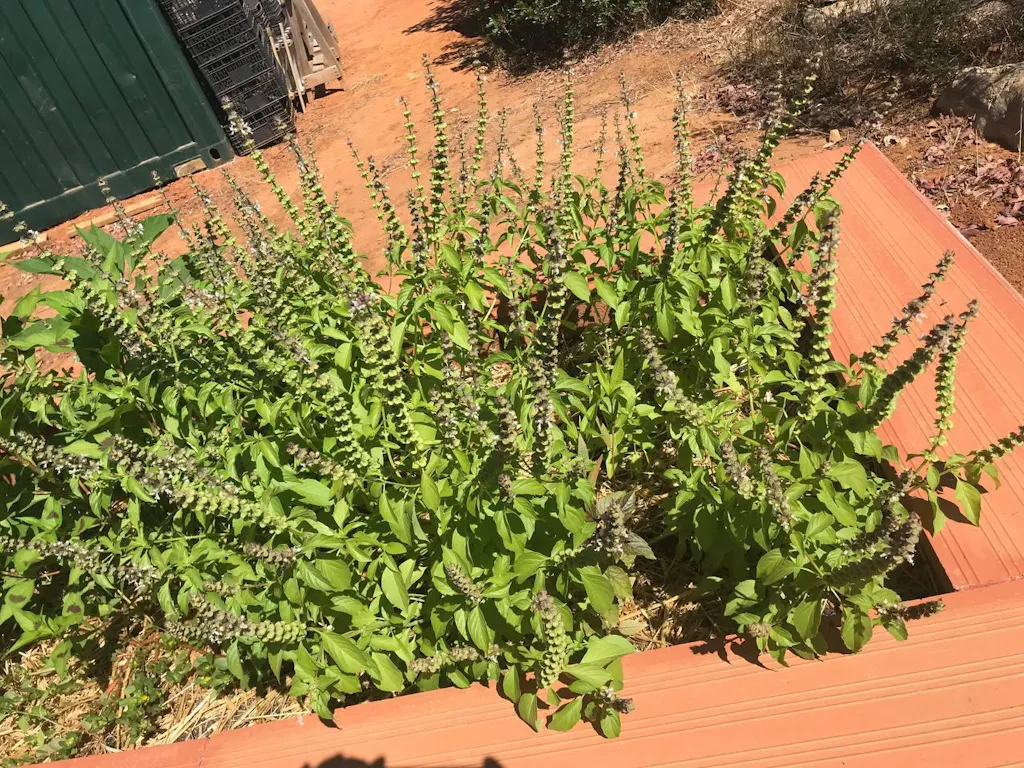
This variety is a perennial, bushy basil with medium‑green, slightly hairy leaves and a sweet‑spicy flavor reminiscent of cloves. It grows compact, is robust, and is ideally suited for open field, greenhouse, and container cultivation. High‑yielding, heat‑tolerant, and open‑pollinated - perfect for self‑sufficiency and organic farming.
 Origin & History
‘Tulsi’ is considered one of the holiest plants in the Ayurvedic tradition and has been cultivated in India for thousands of years. Its name means “the Incomparable,” and in Vedic culture it is regarded as a manifestation of the goddess Lakshmi, which is why it is still ritually cared for in temples and households today. In classical Ayurvedic texts such as the Charaka Samhita and the Sushruta Samhita, ‘Tulsi’ is described as the “Queen of Herbs” and highlighted as a Rasayana – a remedy for strengthening body and mind.
The variety Ocimum tenuiflorum is native to the Indian subcontinent and has spread from there across South and Southeast Asia. In Thailand it is known as “Kaphrao” and traditionally used in curries and stir‑fried dishes, while in Nepal and Myanmar it is likewise valued as both a culinary and medicinal plant. Beyond its culinary role, ‘Tulsi’ is deeply rooted in spiritual practice: it is seen as a symbol of purity and protection and is worshipped daily in Hindu rituals.
In the 20th century, the variety reached Europe and North America, initially through growing interest in Ayurveda and later through demand for herbal teas and holistic healing. From a purely cultic plant it evolved into a global symbol of health and sustainability. Today, ‘Tulsi’ is cultivated worldwide and is firmly established both in traditional medicine and in modern wellness and nutrition concepts.
 Appearance & Characteristics
The plant grows bushy and upright, reaching a height of about 100 cm. It produces numerous branched shoots with aromatic leaves and shows high heat tolerance. Perennial, warm‑loving, and frost‑sensitive.
Leaf details:
Size: Medium, approx. 3-5 cm long leaves
Shape: Ovate to lanceolate, slightly serrated
Color: Medium to dark green, often with violet stems
Texture: Tender, slightly hairy
Flavor: Sweet‑spicy with clove aroma, lightly peppery
 Usage & Cultivation Highlights
‘Tulsi’ leaves and flowers are excellent for preparing tea, traditionally used against stress and to strengthen the immune system. In the kitchen they are popular in curries, rice dishes, and soups, add an exotic note to smoothies and herb spreads, and are also used in pestos and chutneys. In Ayurvedic herb blends, ‘Tulsi’ is often combined with ginger, cardamom, or black pepper to create invigorating and balancing drinks. Fresh leaves can serve as aromatic garnish, adding special flavor to salads or fruit bowls. In Southeast Asia the variety is traditionally used to season rice and lentil dishes, while dried leaves are processed into herbal powders and spice mixes. Even in modern culinary interpretations, ‘Tulsi’ increasingly appears in ice cream, sorbets, and chocolate creations, where its spicy‑sweet aroma provides a distinctive note.
‘Tulsi’ grows reliably in open field, greenhouse, and containers. It is easy to care for, heat‑tolerant, and delivers stable yields in warm climates. Multiple harvests are possible, as the plant continuously produces new leaves. In frost‑free regions or when overwintered indoors it can be harvested for years. It shows remarkable adaptability to different soil types, thriving in both loose garden soil and nutrient‑rich potting soil. Its rapid regeneration after cutting ensures a long and continuous harvest period. Particularly noteworthy is its strong resistance to pests and diseases, which makes cultivation easier and ensures stable yields. Regular harvesting further promotes bushy growth, so the plant provides abundant aromatic foliage throughout the season. In container culture it convinces with its compact form and is excellent for balcony and terrace gardens. In warmer regions it can even be cultivated year‑round, remaining a reliable source of fresh leaves and flowers.
Compared to other basil varieties, ‘Tulsi’ is perennial and especially heat‑tolerant – the ideal choice for anyone who values open‑pollinated basil with traditional healing properties and versatile use.