



Sign up for our Garden Newsletter for practical gardening tips, news about new varieties, special offers and the latest promotions.
Lettuce
Lettuce plants trace their origins to the temperate regions of Europe and West Asia, where early forms emerged from wild Asteraceae species and were cultivated from an early stage. Over many centuries, numerous regional types developed, each adapted to different climatic zones. Their diversity ranges from loose and firm heads to smooth or heavily curled leaves, in shades from light green and dark green to reddish tones.
Within this broad group, three particularly versatile usage types have become established: cut lettuce, leaf lettuce and lamb’s lettuce. Cut lettuces form tender, loosely growing leaves that can be harvested multiple times. Leaf lettuces grow in rosettes or loose clusters and allow continuous leaf picking over an extended period. Lamb’s lettuce, botanically belonging to Valerianella species, forms compact, aromatic rosettes and is known for its strong cold tolerance.
In subtropical climates, lettuces thrive particularly well during the milder seasons, where they benefit from stable conditions. For the hotter months, there are also varieties that cope better with high temperatures and maintain reliable leaf quality. In temperate regions, all of our traditional and historically preserved open‑pollinated varieties perform consistently when sown at the right time. Overall, lettuce shows remarkable ecological adaptability and finds suitable growing conditions across very different climate zones.
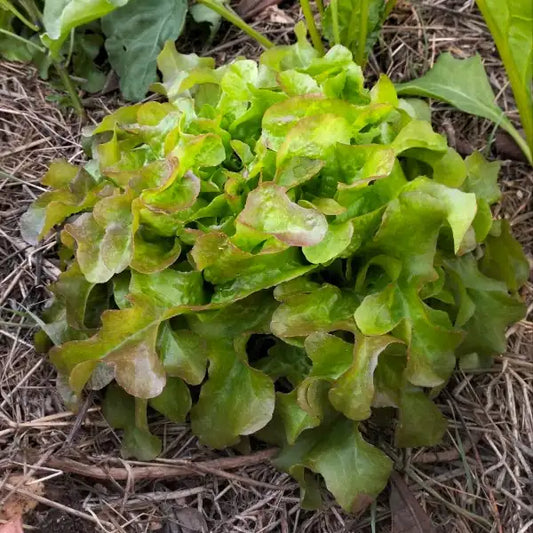
'Bijella Verão' Oak Leaf Lettuce - Lactuca sativa var. crispa
€3,00 EUR
€10.000,00 EUR
/
kg
'Bijella Verão' Oak Leaf Lettuce – heat-tolerant lettuce for hot summers and Mediterranean gardens. Heat‑tolerant reddish‑brown summer lettuce with a sweet, full flavour. Fast‑growing, compact and cut‑and‑come‑again, suitable for open ground, raised beds and balcony gardening. A perfect variety for hot summers...
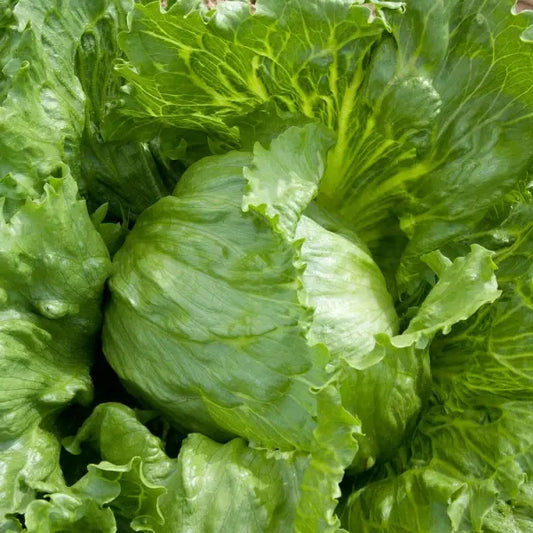
'Saladin' Iceberg Lettuce - Lactuca sativa var. capitata
€3,00 EUR
€15.000,00 EUR
/
kg
'Saladin' Iceberg Lettuce – robust variety with crisp, light green heads. This variety is a compact iceberg lettuce with firm, light green heads and a fresh, savory, crisp flavor. It matures early, is ideally suited for outdoor cultivation, and offers a long...
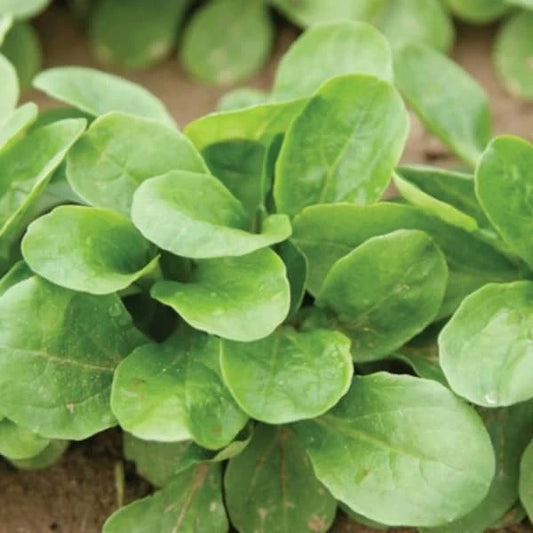
'Vit' Lamb's Lettuce - Valerianella locusta
€3,00 EUR
€750,00 EUR
/
kg
'Vit' Lamb's Lettuce – robust variety with tender, nutty leaves. This variety is a frost‑hardy lamb’s lettuce with dark green, rounded leaves and a mild, nutty, aromatic flavor. It grows compactly, matures early, and is ideally suited for open field, greenhouse, and...
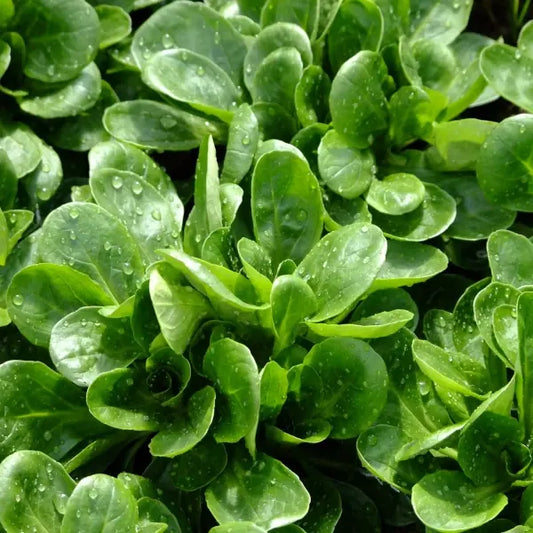
'Holländischer Breitblättriger' Lamb’s Lettuce - Valerianella locusta
€3,00 EUR
€857,14 EUR
/
kg
'Holländischer Breitblättriger' Lamb’s Lettuce – winter‑hardy variety with large, broad‑oval, dark‑green leaves. This variety is a vigorous lamb’s lettuce with strong, broad‑oval leaves and rosette‑like growth. It has a mild, nutty, aromatic flavor and convinces with reliable winter hardiness. Fast‑growing, high‑yielding, and...
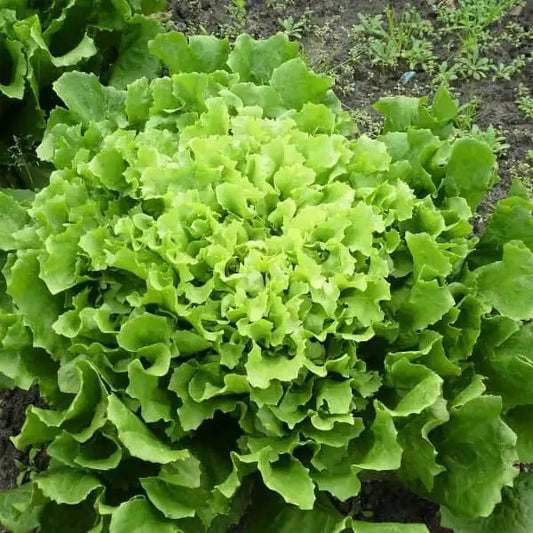
'Escariol Grüner' Endive - Cichorium endivia
€3,00 EUR
€8.571,43 EUR
/
kg
'Escariol Grüner' Endive – traditional variety with large, smooth‑edged green leaves.This variety is a broad‑leaved endive with large, rosette‑shaped heads and fleshy, entire‑margined leaves. It has a mild, slightly nutty flavor with only few bitter compounds and convinces with its crisp texture....
'Rolando' Head lettuce - Lactuca sativa var. capitata
€3,00 EUR
€6.000,00 EUR
/
kg
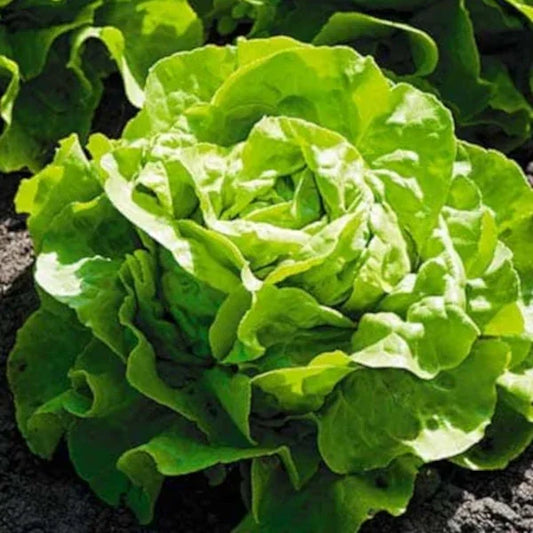
'Rolando' Head lettuce – classic butterhead lettuce with large, heavy heads. This variety is an open‑pollinated butterhead lettuce with large, firm heads and a mild, tender‑buttery flavor. It forms compact, heavy heads, is bolt‑resistant, and shows good resistance to downy mildew (Bremia...
'Maravilla De Verano' Batavia Lettuce - Lactuca sativa var. capitata
€3,00 EUR
€6.000,00 EUR
/
kg
'Maravilla De Verano' Batavia Lettuce – historic summer variety with large red‑green heads. This variety is a heat‑tolerant Batavia lettuce with large, open heads composed of light‑green inner leaves and reddish outer leaves. It offers a mild‑sweet, refreshing flavor and grows quickly...
'American Brown' Batavia Lettuce - Lactuca sativa var. capitata
€3,00 EUR
€6.000,00 EUR
/
kg
'American Brown' Batavia Lettuce – robust variety with crisp, flavorful leaves. This variety is a bolt‑resistant Batavia lettuce with reddish‑brown, wavy outer leaves and light‑green inner leaves. It offers a mildly sweet, aromatic, and slightly tangy flavor, growing vigorously in an upright...
'Forellenschluss' Romaine lettuce - Lactuca sativa var. longifolia
€3,00 EUR
€6.000,00 EUR
/
kg
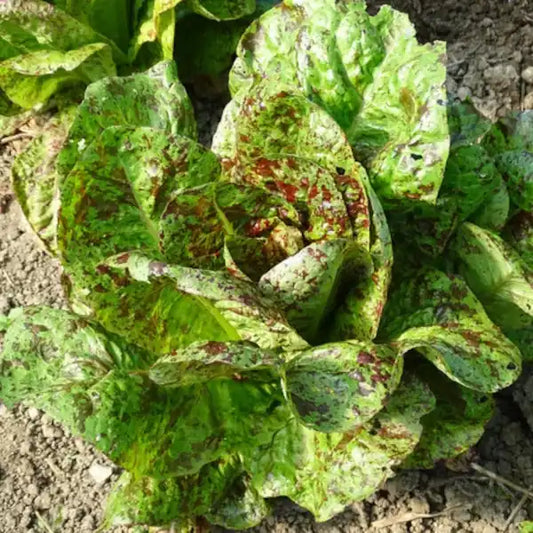
'Forellenschluss' Romaine lettuce – historic variety with crisp, speckled leaves. This variety is a bolt‑resistant Romaine lettuce with green‑red speckled, elongated leaves and a mildly aromatic, crisp flavor. It forms semi‑open heads, matures reliably, and is ideally suited for cultivation in open...
'Bijella Verão' Oak Leaf Lettuce - Lactuca sativa var. crispa
€3,00 EUR
€10.000,00 EUR
/
kg
'Bijella Verão' Oak Leaf Lettuce – heat-tolerant lettuce for hot summers and Mediterranean gardens. Heat‑tolerant...
'Saladin' Iceberg Lettuce - Lactuca sativa var. capitata
€3,00 EUR
€15.000,00 EUR
/
kg
'Saladin' Iceberg Lettuce – robust variety with crisp, light green heads. This variety is a...
'Vit' Lamb's Lettuce - Valerianella locusta
€3,00 EUR
€750,00 EUR
/
kg
'Vit' Lamb's Lettuce – robust variety with tender, nutty leaves. This variety is a frost‑hardy...
'Holländischer Breitblättriger' Lamb’s Lettuce - Valerianella locusta
€3,00 EUR
€857,14 EUR
/
kg
'Holländischer Breitblättriger' Lamb’s Lettuce – winter‑hardy variety with large, broad‑oval, dark‑green leaves. This variety is...
'Escariol Grüner' Endive - Cichorium endivia
€3,00 EUR
€8.571,43 EUR
/
kg
'Escariol Grüner' Endive – traditional variety with large, smooth‑edged green leaves.This variety is a broad‑leaved...
'Rolando' Head lettuce - Lactuca sativa var. capitata
€3,00 EUR
€6.000,00 EUR
/
kg
'Rolando' Head lettuce – classic butterhead lettuce with large, heavy heads. This variety is an...
'Maravilla De Verano' Batavia Lettuce - Lactuca sativa var. capitata
€3,00 EUR
€6.000,00 EUR
/
kg
'Maravilla De Verano' Batavia Lettuce – historic summer variety with large red‑green heads. This variety...
'American Brown' Batavia Lettuce - Lactuca sativa var. capitata
€3,00 EUR
€6.000,00 EUR
/
kg
'American Brown' Batavia Lettuce – robust variety with crisp, flavorful leaves. This variety is a...
'Forellenschluss' Romaine lettuce - Lactuca sativa var. longifolia
€3,00 EUR
€6.000,00 EUR
/
kg
'Forellenschluss' Romaine lettuce – historic variety with crisp, speckled leaves. This variety is a bolt‑resistant...