Marshmallow – a traditional medicinal and wild herb with a mild, mucilage‑rich aroma and strong vitality in the garden.
Perennial with tender, mild leaves and an especially mucilage‑rich root, valued for its soothing, calming and protective properties. Grows robustly, forming clumps, and thrives in full sun to partial shade. Develops a strong taproot and reliably resprouts each year. Ideal for teas, extracts, salves, tinctures, natural gardens and ecological self‑sufficiency.
 Origin & History
The marshmallow plant (Althaea officinalis) has been used as a medicinal and utilitarian herb since antiquity across Europe, Western Asia and North Africa. Its natural range includes moist meadows, riverbanks, marshlands and nutrient‑rich floodplains of temperate climates. In Greek and Roman medicine it was already valued as a soothing, calming herb whose roots and leaves were applied for coughs, inflammations and skin irritations. Botanically, it belongs to the mallow family (Malvaceae), subfamily Malvoideae, and the genus Althaea.
The earliest known reference appears around 460–370 BC in the Hippocratic writings, followed by Dioscorides in the 1st century AD, who describes marshmallow as one of the most important mucilage‑rich medicinal herbs. Pliny the Elder (79 AD) mentions it as a beneficial plant for food and healing preparations. During the Middle Ages it was cultivated in nearly all monastic gardens; Hildegard of Bingen (12th century) praised its cooling and soothing properties. In the Renaissance, Leonhart Fuchs included it in his New Kreüterbuch (1543) as a versatile medicinal plant with a broad range of applications.
Marshmallow also played a notable cultural role through its use in early confections: as early as late antiquity, and later in the Arab world, sweet, airy medicinal treats were made from its mucilage‑rich root extract to soothe the throat and respiratory tract. In 19th‑century France, these preparations evolved into the first form of the modern “marshmallow” — a soft confection originally made from concentrated marshmallow root sap before being replaced by gelatin and sugar. This makes Althaea officinalis one of the few medicinal plants that shaped both medical and culinary history.
For centuries, marshmallow remained a central herb of folk medicine. The root served as a base for cough syrups, mucilage preparations and soothing cold infusions, while the leaves and flowers were used for teas and topical applications. With the renewed interest in natural gardening in the 20th century, marshmallow experienced a revival as a robust, low‑maintenance and ecologically valuable wild perennial. Today it is considered an indispensable medicinal plant for natural gardens, herb beds and self‑sufficient growers — appreciated for its versatility, vitality and long tradition in herbal medicine.
 Appearance & Characteristics
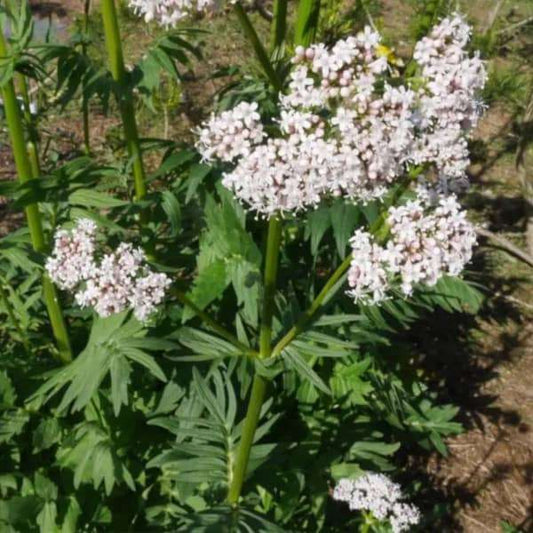
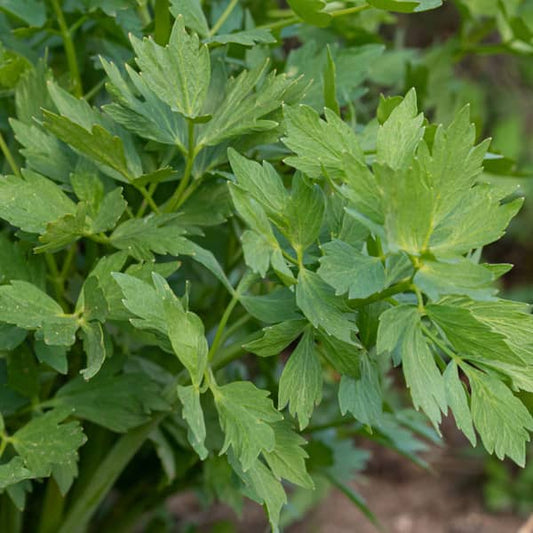
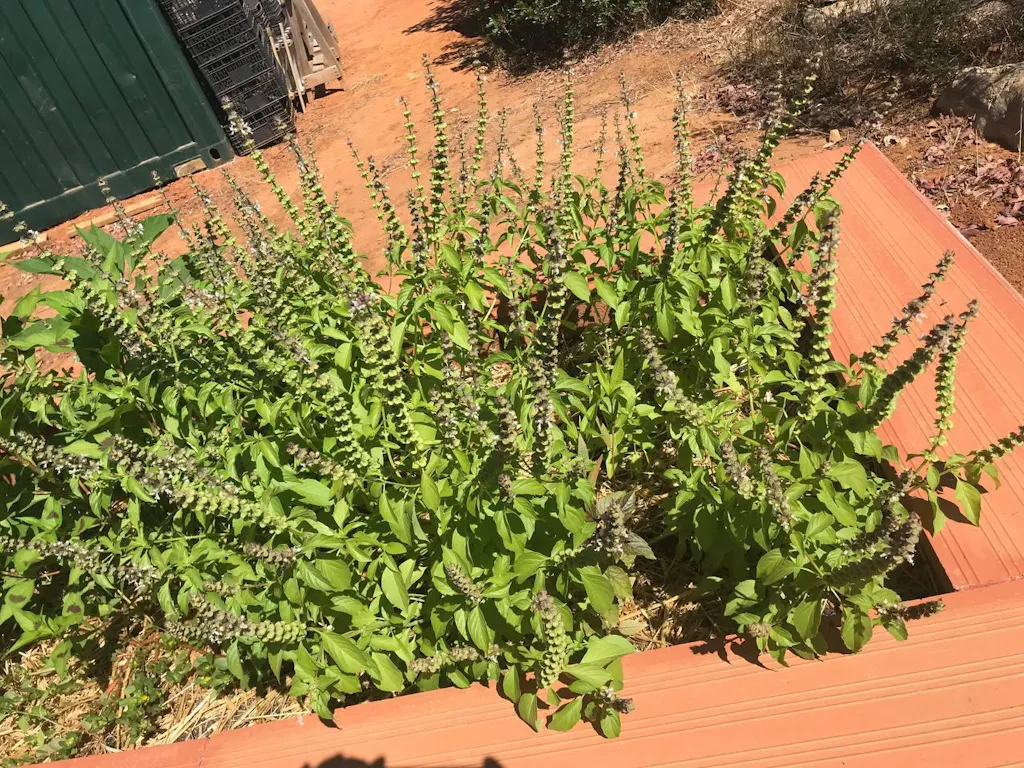
The plant is perennial, forming clumps, and grows with upright, softly hairy stems and velvety grey‑green leaves. In summer it produces numerous pale pink flowers that attract a wide range of pollinators. Marshmallow develops a strong, deep‑reaching taproot and is hardy down to about –25 °C.
Plant details:
Height: Medium to tall, 120–150 cm
Form: Upright, herbaceous, clump‑forming
Leaves: Velvety, grey‑green, rounded‑lobed
Flowers: Pale pink, mallow‑like, in loose clusters
Flavor: Mild, soft, slightly sweet, rich in mucilage
 Usage & Cultivation Highlights
Perennial marshmallow is excellently suited for teas, cold infusions, cough syrups, herbal baths, salves, tinctures and gentle herbal preparations. The leaves can be used fresh or dried for tea blends, herbal oils and soothing applications, while the root is traditionally employed for calming extracts, pastes and cough remedies. The flowers serve as a decorative, edible ingredient that enhances teas, herbal mixtures and natural cosmetics. Dried plant material retains its quality for a long time, making it ideal for storage and herbal use. Marshmallow is also suitable for skincare preparations, soothing compresses, gargle solutions and plant‑based syrups that protect mucous membranes and ease irritation. The root is well suited for plant‑based gel preparations traditionally used for dry or sensitive skin. In the kitchen, young leaves can be used as a mild wild vegetable in soups, herbal porridges or gently steamed dishes, while the flowers enrich herbal lemonades, floral sugars and decorative spreads. Marshmallow is occasionally used in incense and aromatic blends, as the dried plant parts develop a soft, warm, herbaceous scent.
In the garden, marshmallow impresses with its robustness, winter hardiness and its ability to thrive reliably even in moist soils. The deep taproot ensures strong regeneration and makes it a long‑lived, low‑maintenance perennial. It supports biodiversity, attracts numerous pollinators and pairs well with other wild and medicinal plants. Marshmallow is suitable for natural gardens, herb beds, cottage gardens and moist sites, yet also grows reliably in large containers. The plant is largely disease‑resistant, tolerates fluctuating rainfall and stabilizes the soil with its root structure. Even with repeated cutting it remains vigorous and productive — ideal for continuous harvesting and low‑maintenance garden areas. It shows high tolerance to temporary waterlogging and thrives in both heavy clay soils and humus‑rich sand‑loam mixtures. Its velvety leaves and delicate flowers add a soft, natural aesthetic to beds and waterside plantings, while its calm growth habit provides structure in naturalistic designs. With its early spring emergence, it is among the first vital perennials of the year, and its long flowering period supports pollinators over many weeks. Once established, it withstands summer heat and dry spells reliably.
Compared to many other medicinal plants, marshmallow is exceptionally versatile, ecologically valuable and deeply rooted in tradition — an ideal choice for anyone seeking a robust, productive and historically significant medicinal and wild herb.