The perennial Small meadow button is a very old medicinal, tea, spice, salad and animal feed plant. The robust and versatile species is undemanding. Leaves smell like cucumbers and have a special cucumber-like and nutty taste. Ideal for direct sowing, pot cultivation possible, sowing spring-summer, good for mixed culture, harvesting the leaves, shoot tips and buds.
Description
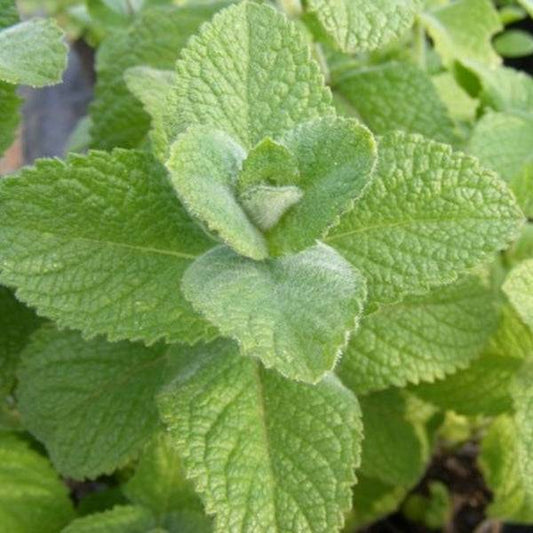
The Small meadow button is a very old, wild and perennial medicinal, tea, spice, salad and animal feed plant native to Europe. The species originally grows in dry meadows and on roadsides in southern, western and central Europe as well as northern Africa and central Asia. The robust plant is undemanding and forms egg-shaped to elliptical, coarsely toothed pinnate leaves from a dense rosette.
The leaves smell like cucumbers and have a special cucumber-like and nutty taste. The shoot tips, the younger leaves and the budding inflorescences of the versatile plant are used. The classic cottage garden plant is also a good bee pasture, is often used as a decoration and as animal feed. In subtropical climates, the plant continues to grow in the summer months and thus provides fresh greenery all year round.
General information
Plant family: Rosaceae
Life cycle: Perennial
Days to harvest: 100 days
Plant height approx.: 80 cm
Root type: Deep rooter
Nutrient requirements: Low
Water requirements: Low
Winter hardiness: Up to -35°C
Location: Sunny
Soil: Permeable, humus-rich loamy soil
pH value: 6.5 to 7.5
Sowing and planting information
Germination type: Light germinator
Sowing depth: 0 cm
Optimal germination temperature: 15-20 °C
Germination time: 14-35 days
Plant and row spacing: 30x40 cm
Germination ability of seeds: 3-4 years
Mixed culture
Optimal mixed culture: Thyme
Unfavorable mixed culture: -
Sowing by climate zone
Subtropic climate (Mediterranean) (e. g. B. Portugal, Spain, Italy)
Direct sowing from February to July is recommended. The plants should ideally be in a sunny location.
Moderate climate (e. g. B. Germany, Switzerland, Poland)
Direct sowing from March to May is recommended. The plants should ideally be in a sunny location.
General recommendations
Direct sowing in rows is recommended. After germination, thin out the plants to the specified plant spacing. Pre-cultivation in pots is also advisable.
Small meadow button prefers a permeable, nutrient-poor, dry to moist and humus-rich loamy soil. Doesn't tolerate waterlogging.
Additional tips
Seeds are frost-hardy. The younger leaves are preferably harvested. The small burnet is an indicator plant for poor soils. In order to quickly obtain a fine, crumbly and permeable soil with good nutrient and water storage capacity, additional incorporation of biochar and primary rock flour is recommended.
Type of propagation
Propagation occurs via seeds.
Plant care
It is advisable to cut back the flower stems, as this will allow the plant to seed more easily. During long dry periods, it is advisable to give the plants additional water. No fertilization necessary.
Other names
Botanical names: Sanguisorba minor, Pimpinella minor, Poterium dictyocarpum
English names: Small meadow button, Little meadow button
German names: Kleiner Wiesenknopf, Gartenpimpernelle, Pimpernelle, Wilder Bibernell, Pimpinelle, Bibernelle
Portuguese names: Botão pequeno prado, Pequeno botão prado
Spanish names: Botón de prado pequeño
French names: Petit bouton prairie, Bouton petit pré
Origin
Country: Portugal


![Anise [Pimpinella anisum]](http://www.benjis.net/cdn/shop/files/Anise_-_Pimpinella_anisum_-_www.benjis.net.jpg?v=1738942704&width=533)
![Artischoke Imperial Star [Cynara cardunculus var. scolymus]](http://www.benjis.net/cdn/shop/files/ArtischockeImperialStar-Artichoke-Alcachofra-Cynaracardunculusvar.scolymus-www.benjis.net.jpg?v=1705194551&width=533)