Sorrel – aromatic wild and leafy vegetable with a fresh, tangy flavour and strong vitality in the garden.
Perennial with tender, lemony‑sour leaves and a high content of organic acids and vitamins. Grows robustly, tolerates frequent cutting and thrives in sun to partial shade on fresh, humus‑rich soils. Forms a strong taproot and reliably resprouts after every harvest. Ideal for salads, soups, herb dishes, smoothies and ecological self‑sufficiency.
 Origin & History
Sorrel (Rumex acetosa) is a wild and cultivated leafy vegetable that has been used for centuries across Europe and Western Asia. Its natural range includes moist meadows, floodplains, woodland edges and extensively grazed pastures in temperate climates. Early on it was valued as a refreshing spring herb whose lemony‑sour leaves provided important vitamins after winter. Botanically, it belongs to the knotweed family (Polygonaceae), subfamily Polygonoideae, and the genus Rumex.
The earliest known mention of sorrel appears around 812 AD in the Capitulare de villis, a Carolingian estate ordinance listing it as a useful kitchen herb for monastic and manor gardens. In the 12th century, Hildegard of Bingen described sorrel as a cooling, cleansing herb that “clarifies the body’s juices”. Renaissance herbals, including the New Kreüterbuch of 1543, refer to it as a refreshing leafy vegetable and a component of spring soups, appreciated for its invigorating qualities and high vitamin C content.
In European folk cuisine, sorrel served for centuries as an important spring vegetable, especially in regions with long winters. In France it became a staple of classical cooking, particularly in the traditional soupe à l’oseille. In folk medicine it was used as a mild digestive herb, a cooling remedy for sensations of heat and as an ingredient in herbal teas. Its leaves were incorporated into spring tonics, herbal pastes and strengthening soups, while the root was occasionally used for extracts and tinctures.
With the rise of naturalistic gardening and self‑sufficiency in the 20th century, sorrel regained importance. Today it is considered a valuable wild perennial for ecological gardens, being robust, long‑lived and harvestable early in the year. Its fresh, lemony flavour and high tolerance to frequent cutting make it a versatile and tradition‑rich culinary herb.
 Appearance & Characteristics
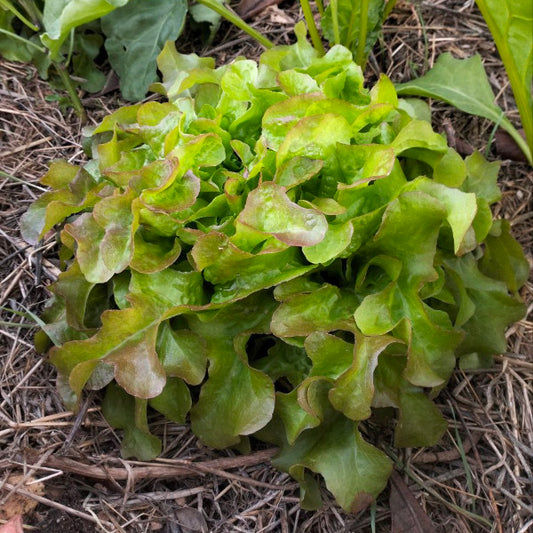
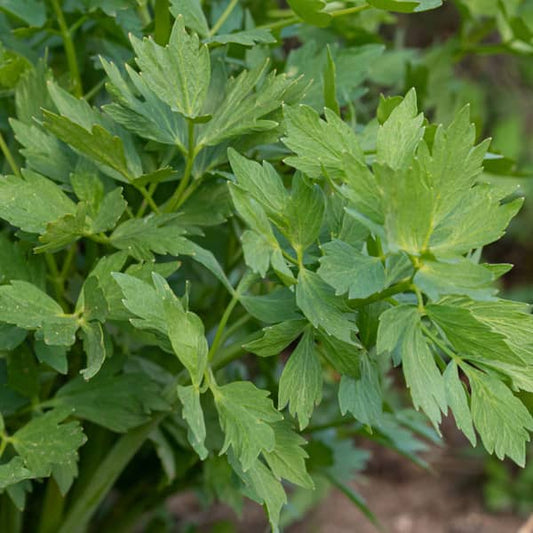
The plant is perennial and clump‑forming, growing from a dense rosette of arrow‑shaped, tender leaves. In late spring it produces tall, reddish‑green flower stalks that attract numerous insects. Sorrel develops a strong taproot with fine lateral roots and is fully winter‑hardy down to –25 °C.
Plant details:
Height: Medium, 30–60 cm
Form: Upright growth, rosette‑shaped, clump‑forming
Leaves: Arrow‑shaped, 20–30 cm long
Flowers: Reddish‑green, loosely paniculate
Flavor: Lemony‑sour, tender, fresh, aromatic
 Usage & Cultivation Highlights
Sorrel lends itself beautifully to salads, herb butter, pestos, soups, sauces, smoothies and the fresh spring kitchen. Young leaves are especially tender and aromatic, while older ones are ideal for steaming or puréeing. In traditional cuisine it is used for creamy sorrel soups, herb fillings, fish dishes and fresh herb pastes. The leaves dry or freeze well and retain their flavour. Sorrel also refines herb oils, vinegars and light marinades, works wonderfully in cold summer sauces, herb quark and fresh spreads, and adds a fine lemony freshness to vegetable sautés, risottos and stews. In drinks such as herbal lemonades or green juices it provides a clear, refreshing note. Dried leaves can be used in tea blends, while finely chopped sorrel enriches herb salts, spice mixes and spring herb compositions.
In the garden, sorrel impresses with its robustness, winter hardiness and high tolerance to frequent cutting. It grows reliably in beds, herb spirals, natural gardens and moist locations. Its deep‑reaching root ensures strong regeneration after each harvest, and it remains vigorous even in partial shade. The plant is easy to care for, regenerates quickly and provides fresh leafy greens over many months. It supports biodiversity, pairs well with other wild and cultivated plants and is excellent for ecological self‑sufficiency. It also thrives reliably in large containers, producing aromatic leaves for years. Sorrel is among the first fresh leafy vegetables of the year, sprouting very early in spring and often remaining evergreen in mild winters. It is largely disease‑resistant, copes well with warmth and fluctuating rainfall, and its strong root structure helps stabilise the soil. Even with repeated harvesting it stays compact and vigorous, making it ideal for continuous‑harvest concepts and low‑maintenance garden areas.
Compared to many other wild herbs, sorrel is harvest‑ready particularly early in the year, extremely long‑lived and usable almost year‑round – perfect for anyone seeking an uncomplicated, productive and versatile wild and culinary herb.