Sweet Wormwood / Qinghao – medicinal annual plant from China with a fine aroma and traditional significance.
Annual, fast‑growing medicinal plant with finely divided, aromatic leaves. It grows vigorously, reaches impressive heights and is suitable for open ground, greenhouses and container cultivation. As a light‑germinator it sprouts reliably and forms upright, bushy plants. Ideal for self‑sufficiency, tea, incense and ecological medicinal‑herb cultivation.
 Origin & History
Sweet wormwood is a widespread aromatic wild plant from the temperate regions of East Asia, where it has been gathered and used for centuries. It belongs to the daisy family (Asteraceae), the subfamily Asteroideae, and the genus Artemisia. In many traditional herbals, annual mugwort is regarded as a cooling, health‑supporting herb that has been used for centuries to promote general well‑being. Historical sources indicate that the plant was traditionally employed during feverish conditions. In modern research it has also been examined in various scientific projects, in which its constituents have received particular attention.
In East Asia, sweet wormwood has been known for over 2,000 years as Qinghao (青蒿) and is mentioned in classical medical texts such as the Handbook of Prescriptions for Emergencies from the 4th century. It stands within this long tradition in which the plant was valued for its fragrance, essential oils and delicate leaf structure. In the 20th century it came back into focus through the study of the natural compound artemisinin, which has been intensively researched in modern medicine and has attracted international scientific and pharmaceutical interest.
Thanks to sweet wormwood adaptability, the species spread to many regions of the world and is now cultivated in gardens, herb plantings and ecological growing systems. Its characteristic scent, produced by a complex spectrum of essential oils, as well as its suitability for tea, incense and dried arrangements, make annual mugwort a valued wild plant with a long tradition of use.
 Appearance & Characteristics
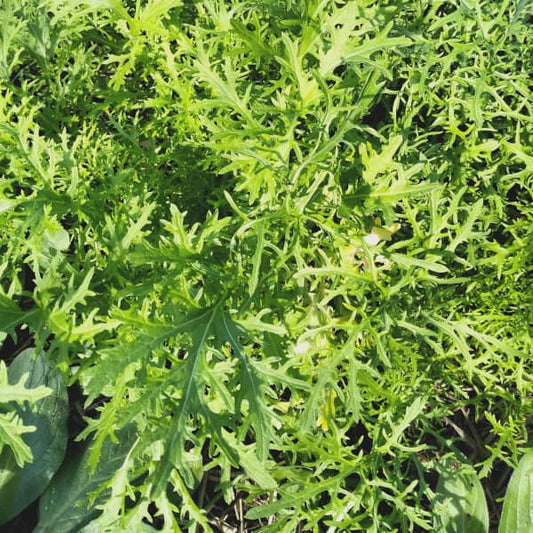
The plant is annual and herbaceous, producing upright, strongly branched stems. The leaves are finely divided, light to deep green and aromatic. The small yellowish flowers appear from late summer in loose, panicle‑like inflorescences. The species develops a strong taproot with fine lateral roots. Not winter‑hardy.
Plant details:
Height: Tall to very tall, 150–200 cm
Form: Upright, bushy, strongly branched
Leaves: Finely divided, aromatic, light to deep green
Flowers: Yellowish, in loose panicles
Flavor: Aromatic‑bitter, spicy
 Usage & Cultivation Highlights
Sweet wormwood is ideal for preparing aromatic tea, which is valued in traditional Chinese herbal practice. The dried leaves and flower heads are used for incense, tea and cultural rituals. In many regions of Asia, Qinghao has been associated with general well‑being for centuries, especially during hot seasons and for supporting vitality. It is also used in herb bundles, as a component of incense mixtures and in craft applications such as herbal wreaths. In traditional herbalism it is regarded as a classic cooling herb with aromatic, airy shoots. These are also suitable for flavouring vinegar, oils, syrups and traditional beverages. In addition, annual mugwort is used in various cultures to scent rooms, textiles and storage vessels, as its intense aroma is considered cleansing and clarifying. Owing to its distinctive constituents, it has also been the subject of scientific research and is cultivated worldwide.
Sweet wormwood thrives reliably in open ground, greenhouses and containers. The plant is easy to care for, fast‑growing and can be harvested throughout the entire growing season. Its flowers attract numerous beneficial insects and support ecological balance in the garden. Thanks to its robust nature, it continues to grow steadily in well‑drained, slightly acidic to neutral soils, regenerates quickly after each cut and can be harvested multiple times. It forms lush, bushy plants, is excellent for medicinal‑herb beds and shows strong tolerance to heat and sunny locations. It also withstands moderate drought, remains vigorous even in full sun and is ideally suited to ecological cultivation and self‑sufficiency gardens due to its adaptability. With its rapid juvenile growth it competes well with neighbouring plants, and its finely branched habit provides natural ground shading. Even in nutrient‑poor sites it remains reliably vigorous, and its aromatic scent can serve as a natural companion in mixed plantings.
Compared with other Artemisia species, sweet wormwood is the fast‑growing, annual medicinal plant with notable traditional and scientific significance – ideal for anyone who values easy‑care medicinal herbs with high aromatic quality and versatile use for tea and incense.


![American Mountain Mint [Pycnanthemum pilosum]](http://www.benjis.net/cdn/shop/files/AmerikanischeBergminze-Americanmint-Pycnanthemumpilosum-www.benjis.net.jpg?v=1704292329&width=533)
![Anise [Pimpinella anisum]](http://www.benjis.net/cdn/shop/files/Anise_-_Pimpinella_anisum_-_www.benjis.net.jpg?v=1738942704&width=533)
![Apple mint [Mentha rotundifolia]](http://www.benjis.net/cdn/shop/files/Apfelminze-Applemint-Hortelamaca-Mentharotundifolia-www.benjis.net.jpg?v=1763734068&width=533)
![Artischoke Imperial Star [Cynara cardunculus var. scolymus]](http://www.benjis.net/cdn/shop/files/ArtischockeImperialStar-Artichoke-Alcachofra-Cynaracardunculusvar.scolymus-www.benjis.net.jpg?v=1705194551&width=533)