€1,70 EUR
€2,50 EUR
€680,00 EUR kg
Price plus shipping
Delivery time: 1-2 business days (PT – international may vary)
reicht für ca. 3 m²

In stock

Historic, traditional and unchanged wild form. Genetically stable & open-pollinated - 100% free from hybrid breeding, GMOs, and synthetic fertilizers. Organically propagated - preserved in its original form.

Local pickup at Benjis Seeds

Bohnensamen2

Harvest year:

2024

Seed viability:

2 years (species-specific)
Detailed information on germination capacity

Description

Cultivation & Characteristics

Tips & Reviews

Chervil – traditional, aromatic culinary herb with a delicate flavor and versatile uses. 

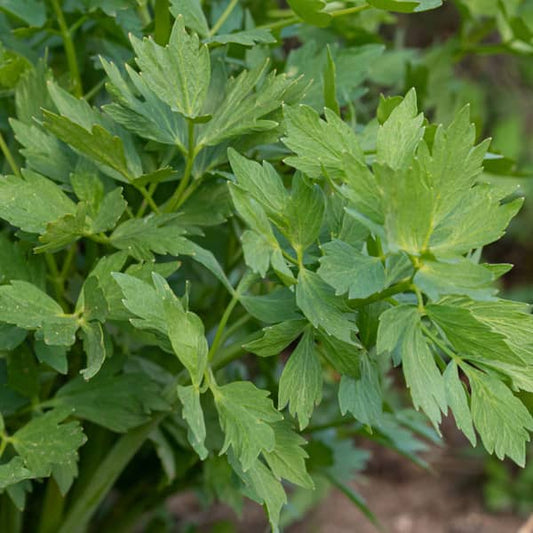
Annual aromatic culinary herb with finely divided, light‑green leaves and a mild, spicy, slightly anise‑like flavor. It grows loosely bushy and compact, reaches moderate heights, and is well suited for open ground, cold frames, and container cultivation. Cool‑loving, tolerant of partial shade, fast‑growing, and open‑pollinated – ideal for self‑sufficiency and organic gardening.


  Origin & History

Chervil (Anthriscus cerefolium) originates from the Caucasus, the Black Sea region, and Western Asia. It reached Europe as early as antiquity, where the Romans spread it throughout their provinces. It belongs to the family Apiaceae, the subfamily Apioideae, and the genus Anthriscus.

The first written mention appears in the 1st century AD in the works of Pliny the Elder, who describes chervil as an already cultivated culinary herb. In the Middle Ages, it became an important medicinal and seasoning plant in monastic gardens and was referenced in the Hortulus of Walahfrid Strabo in the 9th century. Later herbalists of the 16th and 17th centuries also valued it as a popular garden and salad herb. Over time, chervil became a defining component of the French fines herbes and remained a traditional ingredient in German cuisine—for example, in the classic Maundy Thursday soup.

Chervil has remained virtually unchanged for centuries and is still considered robust, easy to grow, and aromatic, which has contributed to its worldwide cultivation and appreciation. Its ability to thrive reliably even in partial shade makes it a versatile crop for gardens, balconies, and urban‑gardening projects.


  Appearance & Characteristics

The plant grows loosely upright and bushy, reaching a height of about 30–50 cm and a width of 15–25 cm. It produces numerous finely divided, light‑green leaves and shows good tolerance for partially shaded conditions. It prefers cool temperatures and is briefly frost‑tolerant down to −5 °C.

Leaf details:

  • Size: Finely divided, with individual leaflets about 3–5 cm long

  • Shape: Multi‑pinnate, fern‑like

  • Color: Light green, matte

  • Texture: Delicate and soft

  • Flavor: Mildly spicy, anise‑like with slightly sweet and fresh herbal notes


 Usage & Cultivation Highlights

The chevil leaves are especially suited for fresh use and refine salads, soups, sauces, egg dishes, as well as fish, poultry, and vegetable dishes. They are a defining component of the French herb blend fines herbes and pair well with herb butter, quark, dressings, and spring soups such as Maundy Thursday soup, as well as with potato dishes and omelets. Chervil adds aroma to vinegar and oil and is valued in low‑carb and diet cuisine for its intense flavor. Fresh leaves work well in smoothies and as a garnish, while dried leaves are suitable for herb blends. It freezes well, retains its aroma, and enriches bowls, wraps, vegetarian dishes, cold soups, light marinades, herb pestos, dips, and herb creams. Even light broths and clear stocks gain a fresh note from it. In natural gardens, flowering chervil also serves as an important plant for pollinators. Traditionally, chervil was used in herbal teas, simple infusions, as well as poultices and washes.

Thanks to its bushy growth, chervil thrives reliably in open ground, cold frames, raised beds, polytunnels, and pots on balconies and terraces. It grows quickly, is easy to care for, continuously produces new leaves, and delivers stable yields in moist, partially shaded conditions. The plant thrives in loose garden soil as well as nutrient‑rich potting soil, remains compact, and is well suited for shady locations and urban gardening. Regular harvesting promotes dense growth and ensures aromatic foliage throughout the season. Due to its short cultivation period, chervil is ideal for quick and staggered successive sowings and for an early start to the season. It fits well into mixed plantings and, thanks to its early flowering, provides valuable food for beneficial insects.

Compared to other culinary herbs, chervil is the classic seasoning herb with a fine anise aroma—making it the first choice for spring dishes and partially shaded locations.

Cultivation_Overview_-_Anbau_im_Uberblick_-_Visao_geral_do_cultivo_-_www

Origin & Cultivation at a Glance

First mention:

1st century AD

Origin:

Caucasus region, Western Asia, and the eastern Mediterranean

Breeder:

Wild form – taken into cultivation unchanged

Propagation site:

Lower Saxony – Germany

Suitable for:

Open field, Cold frame, Polytunnel, Raised bed, Balcony / pot, Urban gardening

Care requirements:

Low – easy to care for, ideal for beginners.

Overwintering:

Not winter-hardy – can be cultivated outdoors as an annual.

Special features:

Annual variety / Fast-growing, Fast-growing, Resilient, Low-maintenance, Shade-tolerant / partial shade, Shade-loving / shady
Plant_Growing_Instructions_-_Pflanzen_Anbau-Anleitung_-_Instrucoes_de_cultivo_de_plantas_-_www

Cultivation guide for

<tc>Chervil</tc>

Growing difficulty:

Easy
In subtropical climates, sow from September to February in semi‑shaded to shaded locations – pre‑cultivation not recommended.
In temperate regions, direct sowing from March to June in sunny to semi‑shaded locations – pre‑cultivation not recommended.
Sow in well‑drained, sandy‑humus‑rich and moderately nutrient‑rich loam. Light‑dependent germinator – do not cover with soil. Plant spacing: 15 × 25 cm.
For baby leaf, sow densely with row spacing of 10-15 cm.

Cultivation tips:

Direct sowing is recommended - young plants grow quickly and vigorously.
Thin out early so the plants have enough space.
Keep evenly moist - drought stress leads to bolting.
For a staggered harvest, it’s recommended to sow seeds in intervals of 4 weeks.
Pruning at bud formation or when yellowing occurs stimulates new growth.

Storage instructions:

Store seeds in a cool, dry, dark, and airtight environment to maximize shelf life and germination.
Detailed information on seed storage
Plant_Profile_-_Pflanzen_Steckbrief_-_Ficha_da_planta_-_www

Plant Profile

Plant details

Botanical name:

<tc>Anthriscus cerefolium L.</tc>

Botanical family:

Apiaceae

Plant type:

Medicinal and culinary herb

Life cycle:

Annual

Cultivation period:

2–3 years

Growth habit:

Upright growth, Bushy, Herbaceous, Compact

Plant width:

25 cm

Plant height:

50 cm

Root type:

Shallow-rooted

Hardy to:

-5 °C temporarily possible.

Cultural meaning:

Historical, Traditional

Suitability for cultivation and use:

Early crop, Fall crop, Peak season, Late-season cultivation, Self-sufficiency, Biodiversity, Variety conservation, Educational projects / School garden, Fresh consumption, Processing

Propagation method:

Generative propagation by seed, Self-seeding

Propagation:

This variety is cross‑pollinated by insects and belongs to the species Anthriscus cerefolium.
For seed production, a minimum isolation distance of 500–800 m from other brassicas is advisable, as cross‑pollination is possible.
The plant is annual – after flowering it produces small, branched inflorescences with numerous, small, well‑ripening seeds.
The seeds are ready for harvest once the seed heads have completely dried and become straw‑like and brittle.

Sowing & Planting

Germination type:

Light germinator, Temperate germinator

Sowing depth:

0-0,5 cm

Germination temperature:

10–15 °C

Germination time:

7-14 days

Pot culture:

Requires a minimum container size of 2 liters.

Row spacing for baby leaf:

10-15 cm

Plant spacing:

15 cm

Row spacing:

25 cm

Pricking out / thinning out:

No thinning required – direct sowing recommended.

Planting time:

Transplanting not required - direct sowing is recommended.

Soil

Soil type:

Well-drained, humus-rich sandy loam soil

Soil pH:

6.0-7.0 - slightly acidic to neutral

Nutrient requirements:

Light feeder

Soil moisture:

Evenly moist, Moisture-loving, Sensitive to waterlogging

Soil preparation:

Loosen soil before sowing, Prepare soil weed-free and with a fine crumb structure., Mulch layer for moisture regulation

Companion planting, Crop rotation & Harvest

Companion plants:

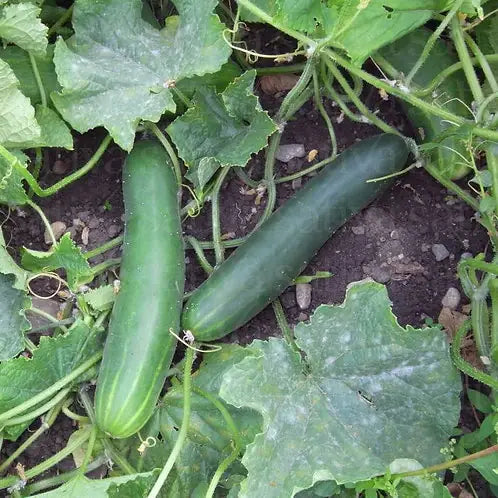
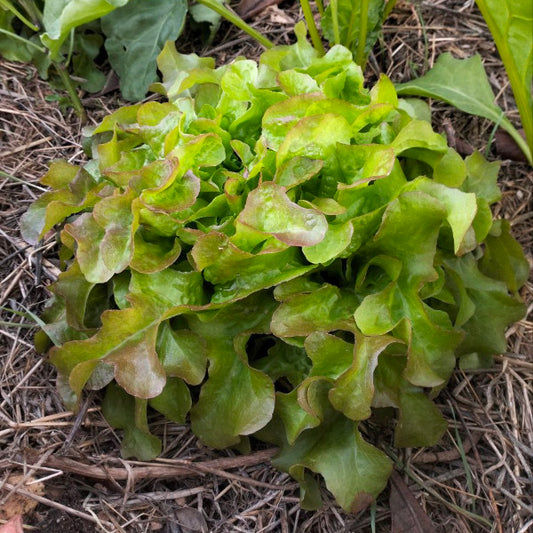
Lettuce, Spinach, Kohlrabi, Cucumber, Radish, Radish varieties, Carrot, Chives, Spring onion

Incompatible plants:

Other umbellifers, Tomato, Pepper / Chili pepper, Eggplant, Thyme, Rosemary, Sage, Oregano, Potato, Drought‑tolerant perennials

Crop rotation guidelines:

Don't plant after other umbellifers – a minimum interval of 3 years is recommended.

Harvest time:

Spring, Autumn

Sowing to harvest:

1-2 months

Harvested parts:

Leaves, Shoot tips, Young shoots

Suitable for consumption:

Yes - edible raw or cooked.

Intended use:

Diet cuisine, Low Carb, Culinary herb, Raw consumption, Salad, To purée, Smoothies, Tea, Freezing, Pollinator plant, Natural garden

Care & Cultivation practices

Water requirements:

Moderate

Plant care techniques:

Thin out after germination when sown directly, Water regularly - even during dry periods, Maintain weed-free

Plant protection:

Well-ventilated location and good drainage recommended., Slug protection recommended

Cultivation notes:

Proven and easy to cultivate Susceptible to slugs and snails Growth stops under drought – consistent water supply required. Loss of quality in heat – prefer cool locations. Sensitive to waterlogging – use well-drained soil.

Other names

EN - English names:

ChervilGarden chervil

DE - German names:

Echter KerbelGartenkerbel

PT - Portuguese names:

Cerefólio

ES - Spanish names:

Perifollo

FR - French names:

Cerfeuil
Practical_Planting_and_Care_Tips_-_Praktische_Aussaat-_und_Pflegetipps_-_Dicas_praticas_de_sementeira_e_cuidados_-_www

Practical sowing and care tips

Saattiefe - Bedingt Keimverhalten und Gesundheit

Sowing depth - Determines germination and health

Germination rate too low or plants bending over? Decisive factors for sowing depth. In this article from my gardening handbook,...
Read more here
Aussaat-Arten - Direktsaat und Vorkultivierung

Sowing methods - direct sowing and pre-cultivation

How do I sow seeds: direct sowing or pre-cultivation? In this article, we'll explain the background of both methods, along...
Read more here
Keimarten und Umgebungsfaktoren - Wie Samen keimen

Germination types and environmental factors - How seeds germinate

Which germination types are relevant, and what should you consider when germinating seeds? In this article, we've compiled a simple,...
Read more here
Mulch - Wasser sparen und Wachstum fördern

Mulching - save water and promote growth

Nature as a model - mulching has numerous advantages that benefit the health of soil life and plants. In this...
Read more here

Customer Reviews

Be the first to write a review
0%
(0)
0%
(0)
0%
(0)
0%
(0)
0%
(0)

Further recommendations for you

100% open-pollinated & reproducible