€2,50 EUR
Save {price}%
€3.571,43 EUR kg
Price plus shipping
Delivery time: 1-2 business days (PT – international may vary)
reicht für ca. 11 m row

In stock

Historic, traditional and unchanged wild form. Genetically stable & open-pollinated - 100% free from hybrid breeding, GMOs, and synthetic fertilizers. Organically propagated - preserved in its original form.

Local pickup at Benjis Seeds

Bohnensamen2

Harvest year:

2024

Seed viability:

3 years (species-specific)
Detailed information on germination capacity

Description

Cultivation & Characteristics

Tips & Reviews

Lovage robust, savory traditional medicinal herb with an aromatic celery‑like flavour. 

Long‑lived medicinal and culinary herb with an intense, savory‑aromatic flavour and a high content of essential oils. It grows robustly, is winter‑hardy, and is suitable for open ground, containers and naturalistic gardens. The long‑lived perennial can reach many years of age and is ideal for self‑sufficiency and ecological herb cultivation.


  Origin & History

Lovage is a very old perennial medicinal and culinary herb. Botanically, it originates from the mountainous regions of Afghanistan and Iran, where the wild form is native to temperate, montane habitats. From there, the plant reached the Mediterranean region via early trade routes and was already cultivated in antiquity by the Greeks and Romans as a medicinal and culinary herb. The name “lovage” derives from the Latin levisticum, historically associated with Liguria, although the species is not native there. In everyday language it is called “Maggikraut” because its intense aroma resembles the well‑known seasoning. It belongs to the carrot family (Apiaceae), the subfamily Apioideae, and is the only species in the genus Levisticum.

In the early Middle Ages, Lovage spread through monastic and farmhouse gardens across Europe and became a staple of traditional European herbal and medicinal plant culture. Its digestive and diuretic properties made it a valued medicinal herb and a versatile natural remedy. Owing to its long history of use, its characteristic celery‑like aroma and its robust, long‑lived nature, lovage remains one of the most important traditional medicinal and culinary herbs of Europe.


 Appearance & Characteristics

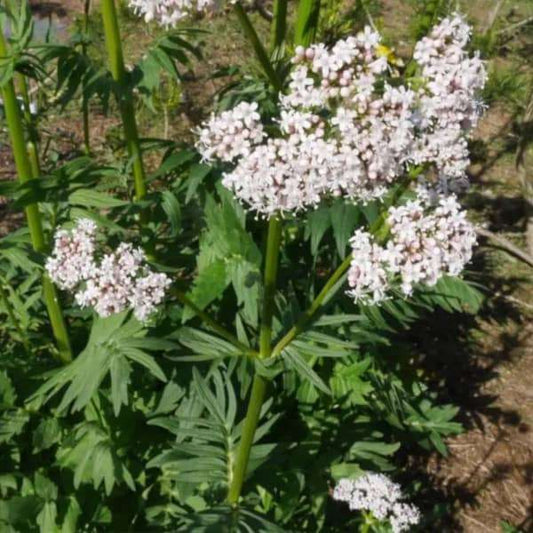
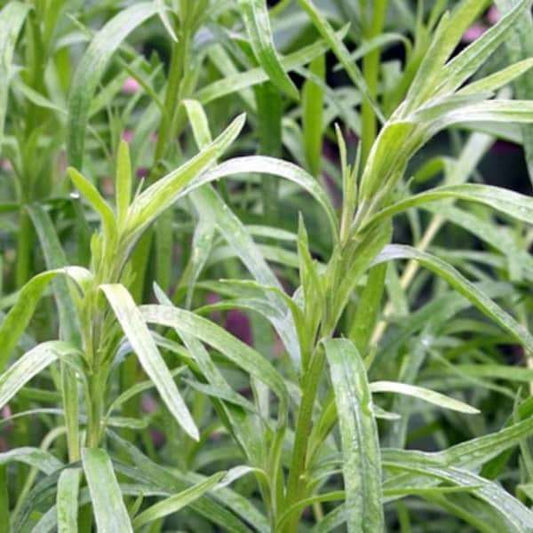
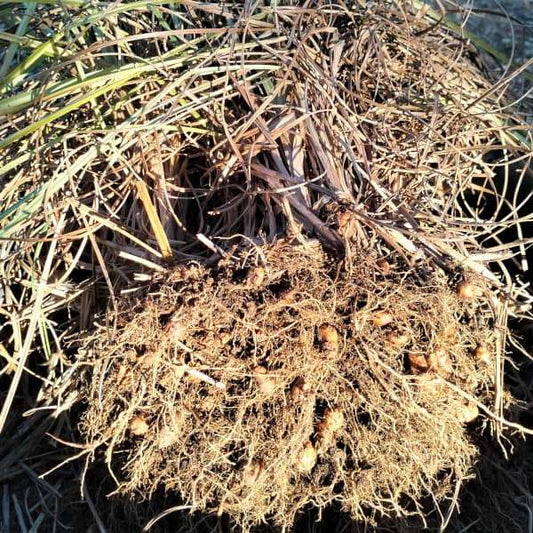
The plant is perennial and herbaceous, forming strong, upright, hollow stems with large, dark green, pinnate leaves. The yellowish‑green flowers appear in summer in large umbels and are highly visited by pollinators. It develops a strong taproot and is hardy to around −34 °C.

Plant details:

  • Height: Very tall, 100–200 cm (occasionally up to 250 cm)

  • Form: Upright, strongly branched

  • Leaves: Pinnate, dark green

  • Flowers: Yellowish‑green, in umbels

  • Flavor: Savory‑aromatic, celery‑like


 Usage & Cultivation Highlights

Lovage is ideal for soups, stews, broths, sauces and salads. Its leaves, roots and seeds contain essential oils and have traditionally been used for digestive discomfort. As a tea, it has a soothing effect on the stomach and intestines. The roots are also used to make tinctures and liqueurs. In addition, it enhances herb butter, seasoning oils, vegetable dishes and fillings, adds flavour to pickled vegetables and ferments, and is suitable for drying, freezing and herb salts. The seeds are used as a spice for bread, meat dishes and spirits, and the leaves serve in the kitchen as an intense natural substitute for Maggi seasoning.

The plant grows reliably in open ground and in large containers. Lovage is perennial, persistent and winter‑hardy, showing great robustness and high yields. Its flowers attract numerous beneficial insects such as bees and hoverflies. Leaves can be harvested continuously, and roots from the second year onward. Waterlogging should be avoided. Thanks to its strong taproot, it is particularly drought‑tolerant once established and easily withstands cooler summers. It reliably resprouts each spring, grows quickly and forms stable, vigorous clumps for many years. Its intense aroma remains even during dry periods, and the plant is largely resistant to pests, making it a low‑maintenance, long‑lived and highly rewarding crop for herb and natural gardens.

Compared to other members of the Apiaceae, Lovage is a traditional, strongly aromatic medicinal and culinary plant – ideal for anyone who values low‑maintenance, long‑lived herbs with a strong flavour and high ecological value.

Cultivation_Overview_-_Anbau_im_Uberblick_-_Visao_geral_do_cultivo_-_www

Origin & Cultivation at a Glance

First mention:

1st century AD

Origin:

Southern Iran to Afghanistan

Breeder:

Wild form – taken into cultivation unchanged

Propagation site:

Lower Saxony – Germany

Suitable for:

Open field, Raised bed, Balcony / pot, Urban gardening

Care requirements:

Low – easy to care for, ideal for beginners.

Overwintering:

Hardy – suitable for perennial cultivation outdoors.

Special features:

Perennial, High-yielding, Resilient, Low-maintenance, Sun-loving / sunny, Shade-tolerant / partial shade, Cold-hardy
Plant_Growing_Instructions_-_Pflanzen_Anbau-Anleitung_-_Instrucoes_de_cultivo_de_plantas_-_www

Cultivation guide for

<tc>Lovage</tc>

Growing difficulty:

Easy
In subtropical climates, sow in partial shade from March to September – early propagation from January is possible.
In temperate regions, direct sow from April to May after frost in sunny to semi‑shaded positions – raising seedlings from March is advisable.
Sow in deep, well‑drained, humus‑rich and nutrient‑rich loam – 0.5–1 cm deep. Spacing: 50 × 70 cm.
For baby leaf, sow densely with row spacing of 10-15 cm.

Cultivation tips:

Plant in partial shade in subtropical climates – cooler sites are ideal.
Good air circulation protects against aphids and fungal diseases.
Pruning at bud formation or when yellowing occurs stimulates new growth.
Biochar and rock dust improve soil structure and enhance the retention of nutrients and water.

Storage instructions:

Store seeds in a cool, dry, dark, and airtight environment to maximize shelf life and germination.
Detailed information on seed storage
Plant_Profile_-_Pflanzen_Steckbrief_-_Ficha_da_planta_-_www

Plant Profile

Plant details

Botanical name:

<tc>Levisticum officinale W.D.J.Koch</tc>

Botanical family:

Apiaceae

Plant type:

Medicinal and culinary herb

Life cycle:

Perennial, long‑lived (10–15+ years)

Cultivation period:

10–15 years

Growth habit:

Upright growth, Herbaceous, Clump-forming

Plant width:

60 cm

Plant height:

200 cm

Root type:

Deep-rooted, Taprooted

Hardy to:

-34 °C

Cultural meaning:

Historical, Traditional

Suitability for cultivation and use:

Year-round crop, Peak season, Self-sufficiency, Biodiversity, Variety conservation, Educational projects / School garden, Fresh consumption, Processing

Propagation method:

Generative propagation by seed, Vegetative propagation, Division possible in spring

Propagation:

This variety is cross‑pollinated by insects and belongs to the species Levisticum officinale.
For seed production, a minimum isolation distance of 800–1000 m from other varieties of the same species is recommended, as cross-pollination is easily possible.
The plant is perennial – in its second to fourth year it produces tall, branched umbel inflorescences with numerous small, well‑ripening seeds.
The seeds are ready for harvest once the seed heads have fully dried and become slightly brittle.

Sowing & Planting

Germination type:

Dark germinator, Temperate germinator

Sowing depth:

0,5-1 cm

Germination temperature:

15-20 °C

Germination time:

14-28 days

Pot culture:

Requires a minimum container size of 20-30 liters.

Row spacing for baby leaf:

10-15 cm

Plant spacing:

50 cm

Row spacing:

70 cm

Pricking out / thinning out:

3-4 weeks, thin out after formation of the first true leaf pairs.

Planting time:

Tomato seedlings are ready to be planted outdoors about four weeks after potting up, once temperatures are consistently warm. Only once the soil is frost-free.

Soil

Soil type:

Deep, well-drained, humus-rich loam

Soil pH:

6.0-7.5 – slightly acidic to alkaline

Nutrient requirements:

Heavy feeder

Soil moisture:

Evenly moist, Moderately moist, Adaptable, Sensitive to waterlogging

Soil preparation:

Loosen soil deeply before sowing, Apply compost before planting., Prepare soil weed-free and with a fine crumb structure., Preparing stony or nutrient-poor soil, Mulch layer for moisture regulation

Companion planting, Crop rotation & Harvest

Companion plants:

Lettuce, Spinach, Brassicas, Cucurbits, Tomato, Pepper / Chili pepper, Bean, Pea, Onion crops, Parsley, Chives, Chervil

Incompatible plants:

Chard, Beetroot, Parsnip, Parsley root, Fennel, Coriander, Caraway, Anise, Dill, Lavender, Rosemary

Crop rotation guidelines:

Perennial – remains permanently in place.
After cultivation, allow at least a 3‑year break before replanting related herbs.
Avoid planting directly after heavy-feeding crops – allow the soil to recover and replenish nutrients first.

Harvest time:

Spring, Summer, Autumn

Sowing to harvest:

2-4 months

Harvested parts:

Leaves, Stems, Young shoots, Roots, Seeds

Suitable for consumption:

Yes - edible raw or cooked.

Intended use:

Culinary herb, Raw consumption, Salad, Steaming, Cooking, Pickling, Fermentation, To purée, Tea, Freezing, Preserving, Drying / Dehydrating, Pollinator plant, Fragrant plant, Wild perennial, Companion perennial, Natural garden, Decoration

Care & Cultivation practices

Water requirements:

Moderate to high

Plant care techniques:

Water regularly - even during dry periods, Loosen and hoe, Fertilize, Maintain weed-free, Inspect regularly for pest infestation

Plant protection:

Well-ventilated location and good drainage recommended., Check early for aphids., Mulching recommended

Cultivation notes:

Proven and easy to cultivate Susceptible to slugs and snails in early development. At a later stage, the hardier leaves are less vulnerable. Can be infested by aphids - occasional monitoring recommended. Sensitive to waterlogging – use well-drained soil.

Other names

EN - English names:

LovageGarden Lovage

DE - German names:

LiebstöckelMaggikraut

PT - Portuguese names:

Levístico

ES - Spanish names:

Levístico

FR - French names:

Livèche
Practical_Planting_and_Care_Tips_-_Praktische_Aussaat-_und_Pflegetipps_-_Dicas_praticas_de_sementeira_e_cuidados_-_www

Practical sowing and care tips

Saattiefe - Bedingt Keimverhalten und Gesundheit

Sowing depth - Determines germination and health

Germination rate too low or plants bending over? Decisive factors for sowing depth. In this article from my gardening handbook,...
Read more here
Aussaat-Arten - Direktsaat und Vorkultivierung

Sowing methods - direct sowing and pre-cultivation

How do I sow seeds: direct sowing or pre-cultivation? In this article, we'll explain the background of both methods, along...
Read more here
Keimarten und Umgebungsfaktoren - Wie Samen keimen

Germination types and environmental factors - How seeds germinate

Which germination types are relevant, and what should you consider when germinating seeds? In this article, we've compiled a simple,...
Read more here
Mulch - Wasser sparen und Wachstum fördern

Mulching - save water and promote growth

Nature as a model - mulching has numerous advantages that benefit the health of soil life and plants. In this...
Read more here

Customer Reviews

Be the first to write a review
0%
(0)
0%
(0)
0%
(0)
0%
(0)
0%
(0)

Further recommendations for you

100% open-pollinated & reproducible