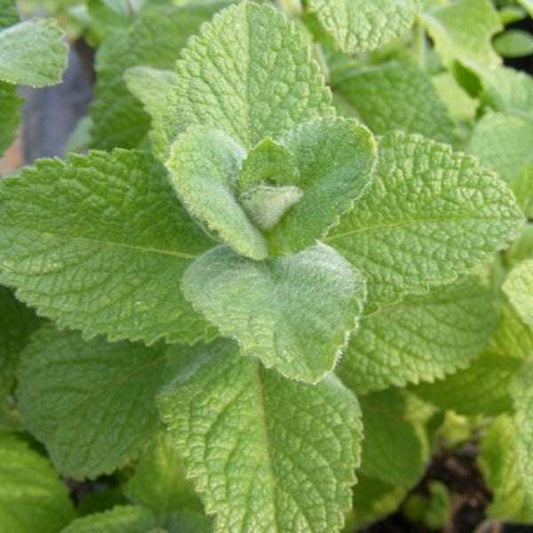
Apple Mint – perennial, winter‑hardy culinary and medicinal herb with soft, rounded leaves and a mild, fruity‑sweet apple aroma.
Perennial with a soft, fruity‑mild scent and sweet flavour. Grows reliably, germinates easily and is suitable for open ground, pots and naturalistic herb beds. Forms shallow, creeping rhizomes and can be cut several times. Ideal for self‑sufficiency and ecological herb cultivation.
 Origin & History
The apple mint (Mentha suaveolens), also known by its older botanical name Mentha rotundifolia, is a traditional European medicinal and culinary herb. Its natural range includes the warm‑temperate regions of southern Europe, particularly the western Mediterranean, southern France, the Iberian Peninsula and parts of North Africa. The botanical name suaveolens means “pleasantly fragrant” and refers to its mild, fruity aroma, which distinguishes it from more strongly menthol‑rich mints. Its first recorded mention appears as early as the 9th century in early herbals such as the Hortulus, and later again in the Physica, where it is described as a round‑leaved, mild mint. Botanically, it belongs to the family Lamiaceae, the subfamily Nepetoideae and the genus Mentha.
For many centuries apple mint was cultivated as a versatile kitchen and household herb, firmly rooted in traditional cottage gardens and herb borders. Its good winter hardiness, reliable growth and gentle aroma made it a valued garden plant that spread far beyond its original native range. In medieval monastic gardens and rural farm gardens it was actively tended and passed on, contributing to its wide distribution. Alongside its culinary uses, it also played a role in traditional herbal practice, where it was used for simple herbal infusions, calming herb waters and mild household remedies. In various regions it was also used for early herbal drinks, flavoured waters and simple tea preparations.
 Appearance & Characteristics
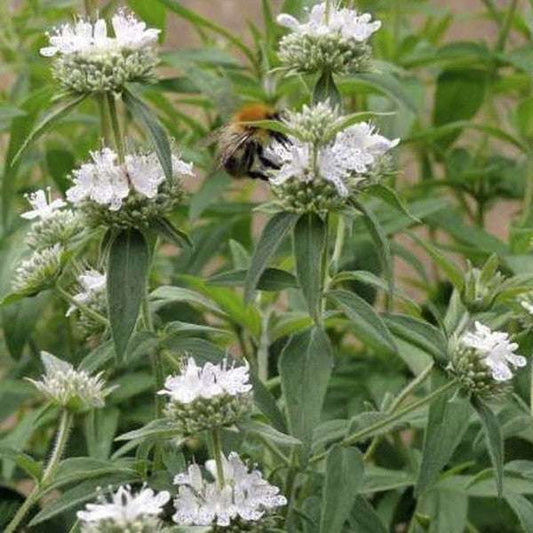
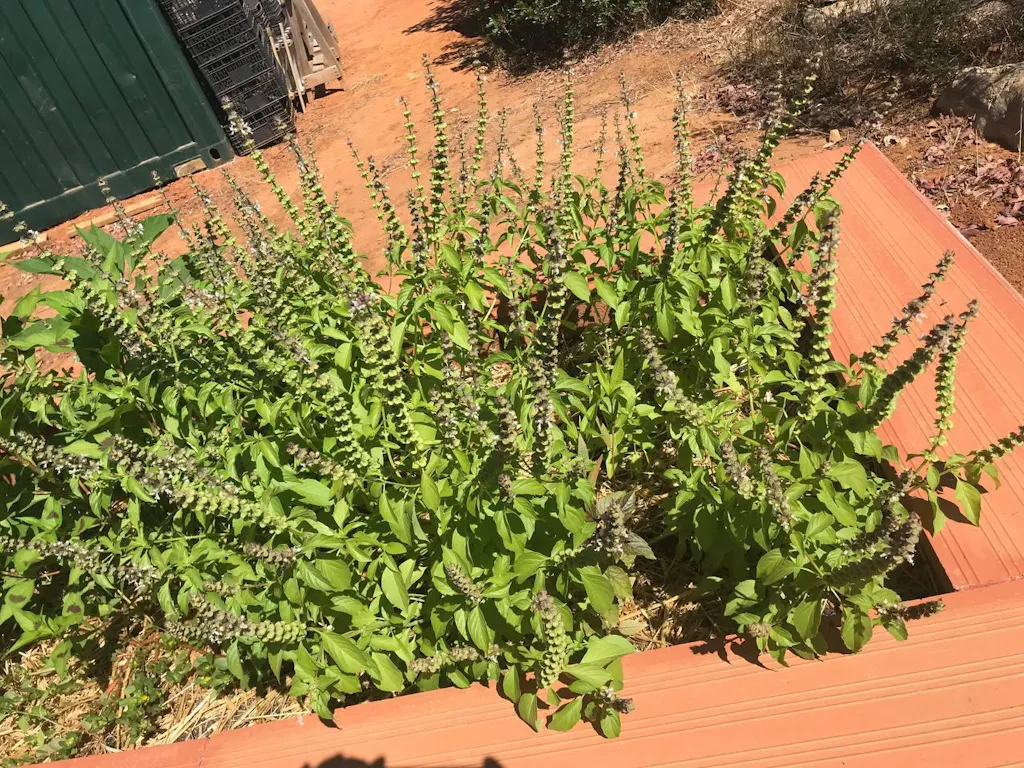
The plant is perennial and herbaceous, growing upright to slightly arching with bushy, branched shoots. The whitish‑pink to pale violet flowers appear in summer in dense, spike‑like inflorescences and are highly attractive to bees and other pollinators. It forms shallow, creeping rhizomes and a near‑surface root system. It is winter‑hardy to around –20 °C and reliably sprouts again in spring.
Plant details:
Height: Medium, 60–80 cm
Form: Upright to slightly arching, bushy and branched
Leaves: Soft, rounded to oval, distinctly hairy
Flowers: Whitish‑pink to pale violet, in spikes
Flavor: Aromatic, mildly sweet and fruity, with a low menthol content
 Usage & Cultivation Highlights
Apple mint is ideal for tea, desserts, salads, herb blends, aromatic uses and traditional herbal preparations. In the kitchen it enhances fruit salads, smoothies, lemonades, herb butter, yoghurt and light summer dishes. Dried leaves are used for aromatic tea blends and scented sachets, while fresh shoots enrich oil infusions, vinegars and syrups. In herbal tradition it is used for herbal baths, facial steam baths and as a mild culinary herb in desserts and drinks. It is also suitable for fresh herb pastes, light chutneys, herb sugar, summer punches, fresh table decorations and as a gently aromatic herb for water jugs and cold infusions. It is likewise used in natural cosmetics, for example in homemade herbal oils, mild facial waters and refreshing herbal sprays.
Apple mint grows reliably in open ground, polytunnels and pots. The plant is easy to care for, grows quickly and can be cut several times. Its flowers attract numerous beneficial insects such as bees and hoverflies, supporting biodiversity. It prefers well‑drained, humus‑rich soils, tolerates partial shade well and regenerates quickly after each cut. Ideal for herb spirals, naturalistic gardens and ecological herb cultivation. It germinates reliably, remains compact and develops into a productive perennial herb even in short growing seasons. In addition, it shows high tolerance to changing weather conditions, produces strong, aromatic shoots even in cooler summers and is excellent for covering small herb beds. Its robust nature makes it an ideal choice for beginners, while its vigorous growth allows continuous harvesting throughout the season.
Compared to more strongly menthol‑rich mints, apple mint is one of the mildest and fruitiest mints, with particularly soft leaves and a low menthol content – perfect for anyone who enjoys an uncomplicated, aromatic and versatile culinary herb with a sweet apple fragrance.