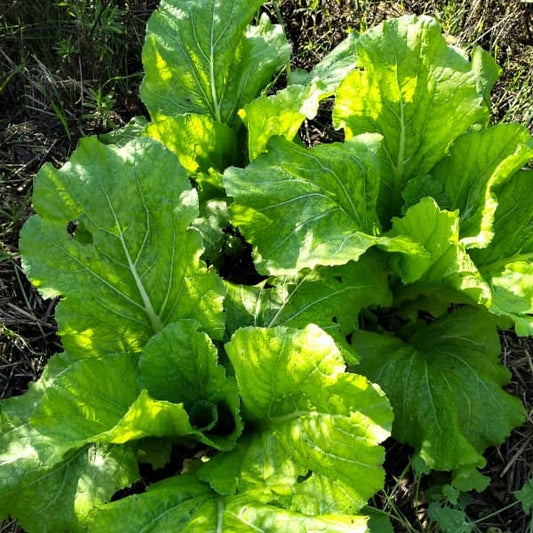
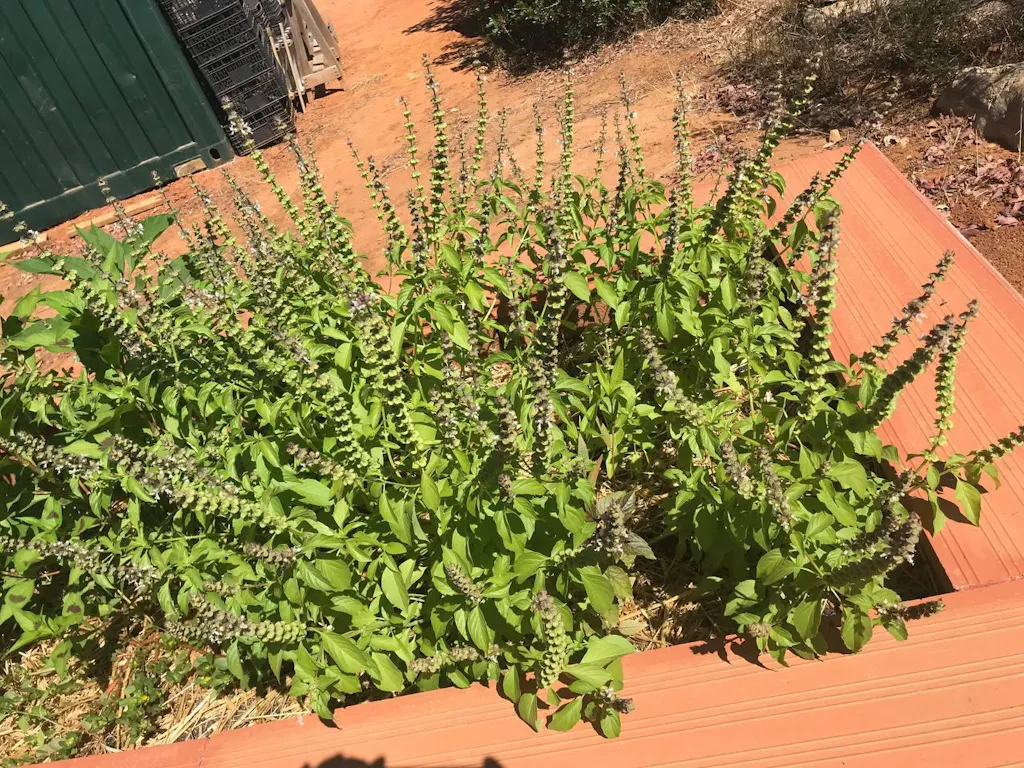
New Zealand Spinach – warm‑loving summer leaf vegetable with fleshy, mild leaves.
It is a warm‑loving, annual leafy vegetable with fleshy, triangular leaves and a mild, slightly salty flavor. It grows creeping as a ground cover, is extremely heat‑tolerant, and is ideally suited for open field, greenhouse, and pot cultivation. Robust, high‑yielding, and true‑to‑seed – perfect for self‑sufficiency and organic farming.
 Origin & History
New Zealand Spinach originates from the coastal regions of Australia, New Zealand, South America, and East Asia. It grows wild on sandy soils, dunes, and salt marshes, and thanks to its succulent leaves it is particularly tolerant of salinity. The plant was first described in 1770 during Captain James Cook’s first Pacific voyage and introduced to England by his naturalist Sir Joseph Banks. There it established itself as a summer vegetable, since unlike the heat‑sensitive garden spinach (Spinacia oleracea) it thrives reliably even at high temperatures.
In Europe and North America, New Zealand spinach became increasingly cultivated in the late 18th and early 19th centuries and entered kitchen gardens under names such as “Cook’s Cabbage” or “Botany Bay Greens.” It was especially valued for its high vitamin C content, making it a useful antiscorbutic for seafarers.
Botanically, New Zealand Spinach belongs to the ice plant family (Aizoaceae) and is not related to true spinach. Nevertheless, because of its similar culinary use and its mild, slightly salty flavor, it is cultivated as a spinach alternative.
 Appearance & Characteristics
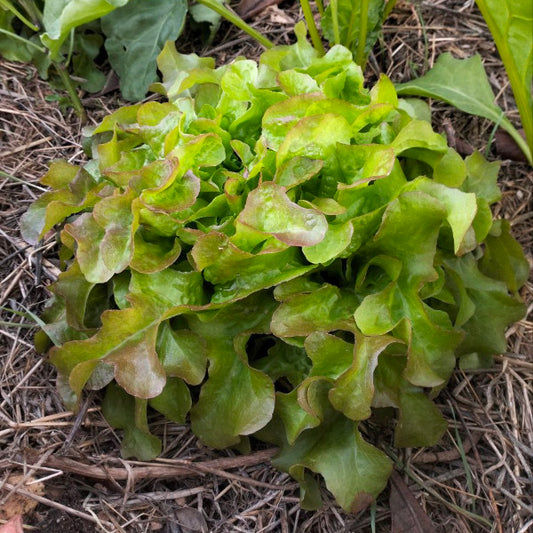
The plant grows creeping as a ground cover and can spread up to 120 cm. It produces numerous fleshy, triangular to rhomboid leaves on branched shoots. Extremely heat‑tolerant and drought‑resistant. In mild climates it can persist longer, but it does not withstand frost.
Leaf details:
Size: Medium, approx. 5-10 cm long leaves
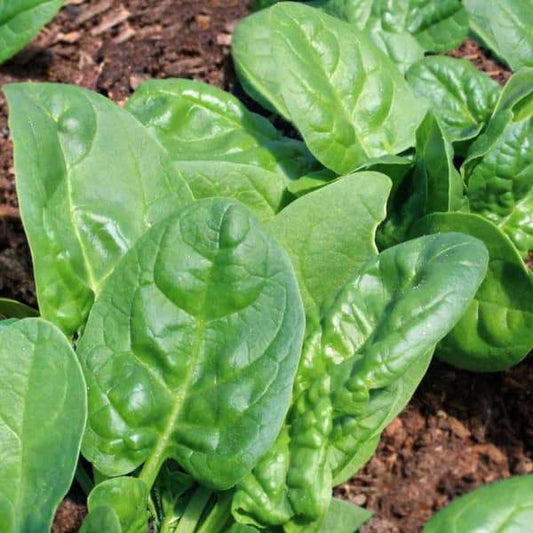
Shape: Triangular to rhomboid, fleshy and succulent‑like
Color: Medium to dark green, glossy
Texture: Fleshy, juicy, slightly crisp
Flavor: Mild, slightly salty, spinach‑like
 Usage & Cultivation Highlights
The leaves are excellent for fresh consumption in salads, smoothies, and as garnish. Their mild, slightly salty flavor makes them a popular spinach alternative in summer cuisine. They can also be briefly steamed, blanched, or lightly sautéed as a warm side dish, fit well into soups and stews, and add a fine note to green pestos or herb spreads. As part of diet and low‑carb cooking they are appreciated for being nutrient‑rich and low in calories. In modern cuisine they are used in wraps, bowls, quiches, and omelets, while traditionally they were valued as a vitamin‑rich addition to summer diets. The young shoot tips are especially tender and aromatic.
Thanks to its creeping growth and heat tolerance, New Zealand Spinach grows reliably outdoors, in greenhouses, and even in larger pots or raised beds. The species is very easy to care for, requires only moderate watering, and delivers stable yields over a long period even at high temperatures. Particularly noteworthy is the continuous harvest, as the plant produces new shoots after cutting. Its salt and drought tolerance make it ideal for sandy or light soils as well as coastal regions. It also thrives in full sun and can be used as a ground cover to suppress weeds.
Compared to true spinach, New Zealand Spinach is significantly more heat‑tolerant and grows throughout the summer – ideal for anyone seeking open‑pollinated leafy greens with reliable growth and mild flavor for the warm months.