Wintercress – historic aromatic medicinal and culinary herb with a spicy‑pungent cress aroma.
Biennial wild herb with a high content of vitamin C and mustard oils. It grows robustly, is winter‑hardy and suitable for open ground, pots and naturalistic gardens. It germinates reliably and forms a winter‑green rosette in the first year. Ideal for self‑sufficiency and ecological wild‑herb cultivation.
 Origin & History
The herb wintercress (Barbarea vulgaris) has been valued for centuries as a wild medicinal and culinary plant. Its natural distribution ranges from Europe across Western Asia to North Africa and further to Japan. Botanically, the plant belongs to the family Brassicaceae, the subfamily Brassicoideae and the genus Barbarea. It corresponds to the historical wild form that has persisted over long periods without targeted breeding.
The name “wintercress” refers to Saint Barbara, whose feast day falls on 4 December – a time when the winter‑green rosette provides fresh foliage. As early as medieval herbals, the plant was mentioned as a reliable winter green. In the monastic gardens of Central Europe it was cultivated as a winter vegetable and medicinal herb, as it provides vitamin‑rich leaves even in frost and was regarded in folk medicine as purifying and strengthening.
With the expansion of agriculture, wintercress spread far beyond its original range, became native throughout Europe and later reached North America, where it established itself as a robust, winter‑green wild plant. For centuries it remained an important medicinal, culinary and winter vegetable, characterised by its high vitamin C content and aromatic mustard oils. To this day, the wild form of Barbarea vulgaris is regarded as the classic traditional winter cress with an unchanged historical character.
 Appearance & Characteristics
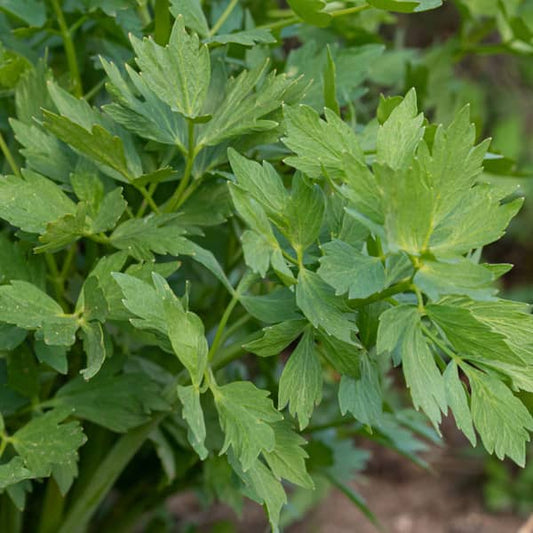
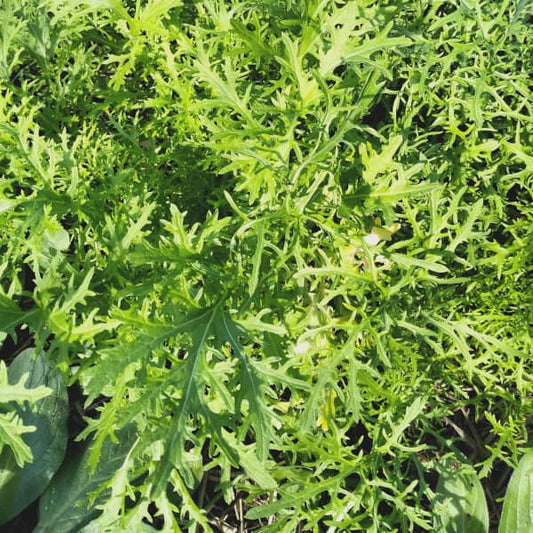
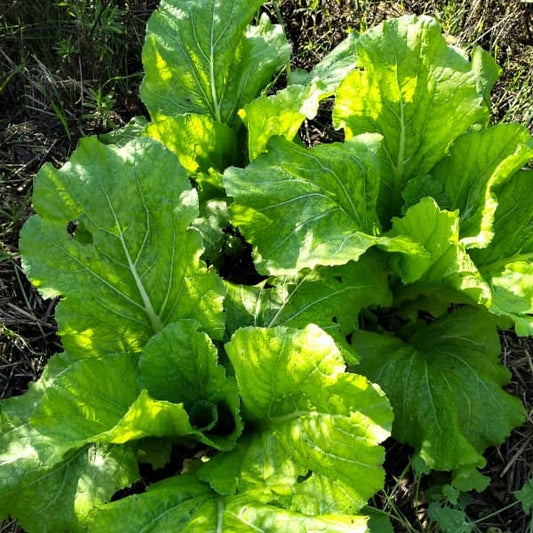
The plant is biennial and herbaceous. In the first year it forms a basal rosette with dark‑green, glossy, lyrate leaves. From the spring of the second year onwards, golden‑yellow, four‑petalled flowers appear in raceme‑like inflorescences. The species reaches growth heights of 30 cm in the first year and up to 80–90 cm in the second year. It is winter‑hardy down to −25 °C and withstands even severe frosts.
Plant details:
Height: Low, 30 cm, up to 90 cm in the 2nd year
Form: Rosette‑forming, upright and branched in the 2nd year
Leaves: Lyrate, dark green, glossy
Flowers: Golden yellow, in racemes
Flavor: Spicy‑pungent, cress‑like, aromatic
 Usage & Cultivation Highlights
Wintercress is ideal for winter salads, herb quark, smoothies, pesto and as a savoury bread topping. The fresh leaves give cold and warm dishes a cress‑like, sharp‑spicy aroma and pair well with soups, stews, herb butter and hearty winter dishes. The plant also develops its full flavour in fillings, pan dishes or as a fresh topping. The young buds can be pickled like capers, and the leaves can be dried or frozen for herb blends. Traditionally, winter cress was valued for its mustard oils and vitamin C content and used for spring fatigue, blood cleansing and skin irritations. Internally, it is considered stimulating and strengthening in smoothies, teas and light spring dishes. To this day, it remains a versatile winter herb that enriches the diet during the cold season.
Wintercress thrives reliably in open ground, polytunnels and pots. The plant is easy to care for, winter‑hardy and harvestable over many months. Its flowers attract numerous beneficial insects, and thanks to its robust nature it continues to grow steadily even in less ideal soils, regenerates well after cutting and thus remains usable for a long time. The long‑lived, winter‑green rosette is excellent for winter beds and naturalistic gardens and shows a high tolerance to frost and fluctuating weather conditions. In addition, winter cress germinates reliably, tolerates temporary waterlogging better than many other herbs and remains vigorous even in partial shade. The rosette provides fresh foliage even in winter, and the plant is slow to bolt, which allows for a long harvest period. Thanks to its natural resilience and adaptability, it is ideal for uncomplicated, sustainable herb beds.
Compared with other well‑known leafy vegetables, wintercress is the classic traditional winter green with particularly spicy leaves – ideal for people who appreciate low‑maintenance, winter‑green wild herbs with high value for insects.