American Mountain Mint – aromatic wild plant with an intensely spicy‑minty aroma and strong attraction for pollinators.
Perennial with a strong, clearly spicy‑minty scent and a high content of essential oils. Grows robustly, is drought‑tolerant and is suitable for open ground, naturalistic gardens, prairie plantings and container culture. Forms a deep taproot and reliably resprouts after each cut. Ideal for tea, seasoning, aromatic uses and ecological self‑sufficiency.
 Origin & History
The American mountain mint (Pycnanthemum pilosum) is an aromatic wild and medicinal plant that has been used for centuries across the North American prairies. Its natural range includes the dry to moderately moist open landscapes of the central and eastern United States, including prairies, open woodlands, rocky slopes and savannas. In many Indigenous traditions it was valued as a tea, aromatic and healing plant, appreciated for its clear, spicy‑minty scent and its strengthening qualities. Botanically, it belongs to the family Lamiaceae, the subfamily Nepetoideae and the genus Pycnanthemum.
Oral traditions record that the species has been used by Indigenous peoples of North America for hundreds of years. In 1803 it was mentioned in The Natural History of the Vegetable Kingdom, where American mountain mint is described as an aromatic prairie plant with medicinal uses. It is noted there as a herb used in infusions to ease cold symptoms, chills and to support general wellbeing. In North American folk herbalism it was also regarded as a calming herb for the stomach and digestion, a mild remedy for light respiratory discomfort and a plant whose scent was used in smudging and herbal baths. Dried flower heads were traditionally used as an aromatic tea component and as a natural fragrance herb in living spaces.
With the rise of naturalistic gardening and prairie‑inspired planting concepts, American mountain mint spread increasingly into Europe during the 20th century, where it quickly became popular for its intense aroma and high ecological value. Today it is considered one of the most valuable wild perennials for biodiversity, as it is among the richest nectar plants of the summer and has an exceptional attraction for wild bees, butterflies and hoverflies. Its fresh, clear mint scent sets it apart from classic mints and makes it a versatile, robust and historically significant herb plant.
 Appearance & Characteristics
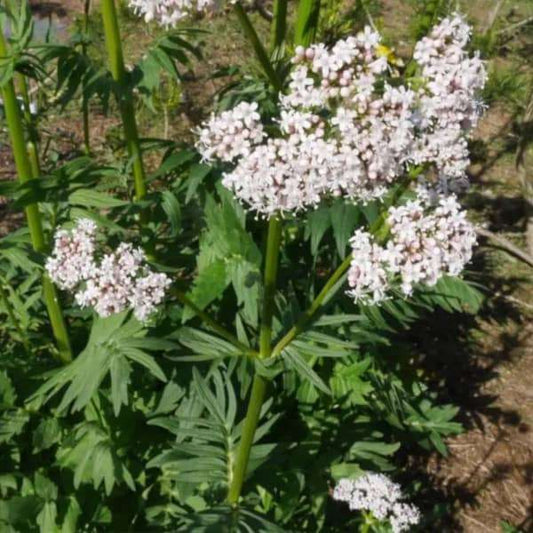
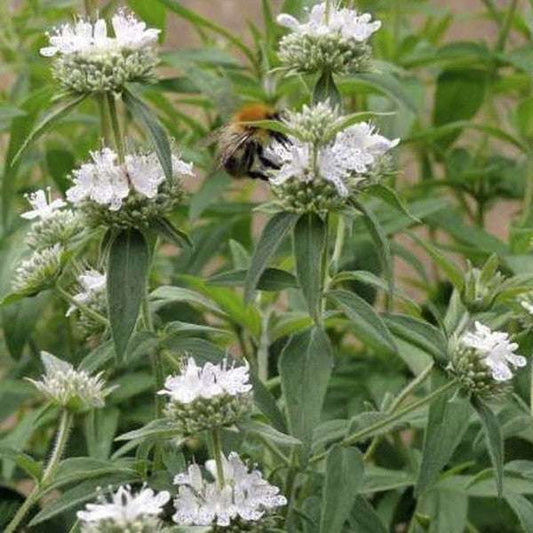
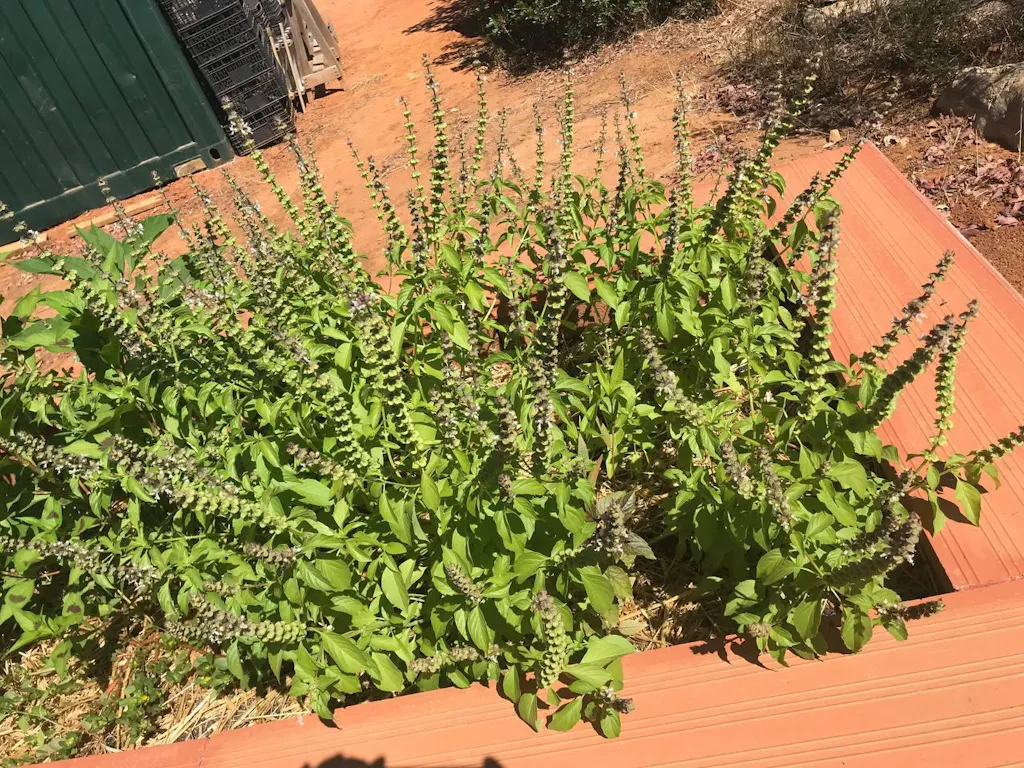
The plant is perennial and herbaceous, growing upright with loosely bushy, aromatic shoots. The small whitish to pale violet flowers appear in high summer in dense, spherical flower heads and are heavily visited by pollinators. Mountain mint forms a strong taproot with fine lateral roots and is fully winter‑hardy.
Plant details:
Height: Medium to tall, 60–90 cm
Form: Upright, loosely bushy, clump‑forming
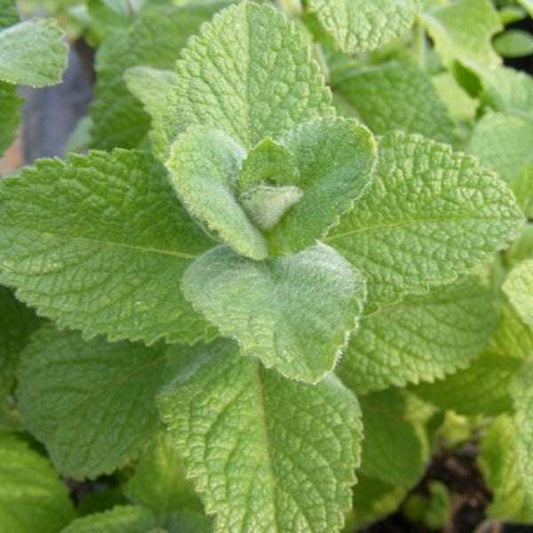
Leaves: Narrow, elongated, finely aromatic
Flowers: White to pale violet, rich in nectar
Flavor: Aromatic, spicy‑minty, clear and fresh, high in essential oils
 Usage & Cultivation Highlights
American mountain mint is excellent for tea, herb blends, aromatic uses, incense, herbal baths and as a flavourful culinary herb for Mediterranean and North American dishes. Fresh or dried shoots refine herb oils, vinegars, marinades, vegetable dishes and summer salads. The flower heads dry well and are ideal for scented sachets, potpourris or tea blends. It also enriches summer lemonades and herbal waters, is suitable for calming herbal compresses and for aromatic herb salts and spice mixes. Dried shoots are used in scented pillows, sleep herb blends and dried bouquets, while in bath additives, massage oils and steam baths they release their clear fragrance. When grilling, it lends a fine aroma to vegetables and fish as a herbal smoke and, when freshly harvested, serves as a garnish for desserts and fruit salads.
In the garden, American mountain mint impresses with its robustness, drought tolerance and high cutting resilience. It thrives in prairie plantings, herb spirals, naturalistic gardens and ecological growing systems. Its nectar‑rich flowers attract numerous beneficial insects and sustainably support biodiversity. The plant remains upright and develops reliably into an aromatic, long‑lived perennial even in dry summers. It is easy to care for and disease‑resistant, rarely needs additional watering and shows remarkable vitality even on rocky, nutrient‑poor or sandy soils. Thanks to its deep taproot it copes well with heat periods and simultaneously stabilises the soil. It is excellent for pollinator‑friendly plantings, harmonises with grasses and other prairie species and remains compact and well‑shaped even in dense plantings. With its even, clump‑forming growth it spreads in a controlled manner without becoming invasive, making it an ideal choice for naturalistic borders, herb plantings and low‑maintenance gardens. Even in containers or large pots it grows reliably and provides aromatic shoots and abundant flowers for many years.
Compared to classic mints, it is less spreading, suited to dry soils and far more attractive to pollinators – perfect for anyone seeking a versatile, robust and ecologically valuable medicinal and culinary herb.