Common Agrimony – traditional medicinal and wild perennial with a mild herbal aroma and versatile uses.
Perennial, robust wild herb with delicate, pinnate leaves and bright yellow flower spikes. It grows in clumps, is winter hardy and suitable for open ground, natural gardens and herb beds. It germinates reliably after a cold period and forms long‑lived, persistent stands. Ideal for tea, tinctures, incense and ecological wild herb cultivation.
 Origin & History
Common Agrimony is one of the oldest documented medicinal and cultural plants of Europe. Its natural range includes sunny meadows, open woodlands and dry slopes in Europe, Western Asia and North Africa. It belongs to the family Rosaceae, subfamily Rosoideae, genus Agrimonia, whose species have been used since antiquity as mild, soothing medicinal herbs.
The first written mention dates to the 1st century AD in Dioscorides’ De materia medica, where common Agrimony (under the name Agrimonia) is described for throat and voice problems, external inflammations and wound treatment. In the same century, Pliny the Elder refers to it in "Naturalis historia" as a proven herb for skin, liver and digestion.
In the Middle Ages, common Agrimony became a standard plant of European monastic gardens. In medical manuscripts such as the "Lorscher Arzneibuch" (8th century) and later in Hildegard traditions, it appears as a gentle, astringent herb for throat, voice, skin and digestion. Dried leaves and shoots were used for washes, compresses, teas and herbal wines. In folk medicine it was considered a protective and transitional herb and was burned as incense during festive occasions.
With the spread of traditional cultural landscapes, its burr‑like fruits dispersed along paths, pastures and hedgerows – making common Agrimony a typical companion plant of rural landscapes. Its long history as a tea, medicinal and incense herb, its mild effects and its ecological value make it a culturally significant and enduring wild perennial of Europe.
 Appearance & Characteristics
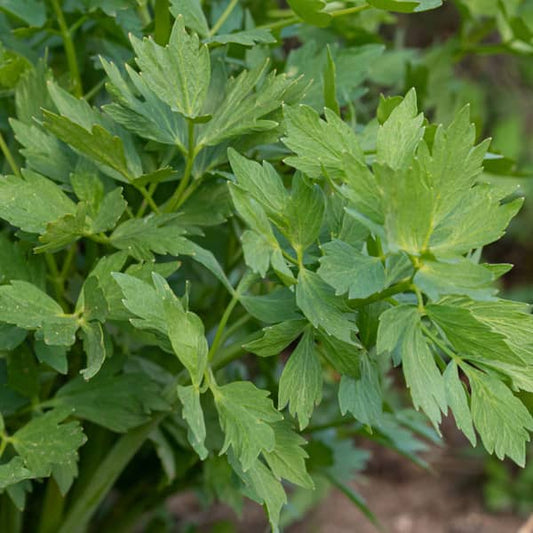
The plant is perennial and herbaceous, forming upright, slender stems. The pinnate leaves are soft, medium green and finely hairy. The numerous small yellow flowers appear in summer in long, candle‑like spikes. The dry aggregate fruits are burr‑like and ripen reliably. Hardy to at least −25 °C.
Plant details:
Height: Medium, 60–100 cm
Form: Upright, loosely clump‑forming
Leaves: Pinnate, softly hairy
Flowers: Yellow, in long spikes
Flavor: Mild‑herbal, slightly bitter
 Usage & Cultivation Highlights
Common agrimony is ideal for herbal teas, tinctures, salves and traditional herbal applications. The dried shoots are used for incense, herb bundles and naturopathic preparations. In many regions of Europe it is considered a classic throat and voice herb and has been used for soothing herbal blends for centuries. Its yellow flowers are also suitable for natural decorations, herb wreaths and craft uses. As a wild perennial it is a valuable insect plant and supports biodiversity in the garden. In addition, agrimony is used for gargle solutions and herbal baths, as its mild tannins soothe skin and mucous membranes. In folk herbalism it serves as a gentle wash and poultice herb for stressed skin. The fresh or dried leaves can be processed into plant extracts and herbal wines, while the dried flower spikes are used in scented pillows and natural herb arrangements. The burr‑like fruits are also suitable for nature projects and wild plant courses that demonstrate the dispersal strategies of native plants.
Agrimony grows reliably outdoors, along paths, on poor meadows and in naturalistic gardens. The plant is easy to care for, winter hardy and can be harvested for many years. Its flowers attract numerous beneficial insects and strengthen ecological balance. Thanks to its deep taproot it continues to grow steadily even in dry, poor soils, regenerates well after each cut and can be harvested multiple times. It tolerates full sun and windy sites, remains vigorous even in heat and is well suited for ecological, low‑maintenance garden concepts. Agrimony also thrives in nutrient‑poor, stony and slightly compacted soils, shows high tolerance to fluctuating rainfall and stays vital even in dry summers. Its clump‑forming growth provides stability, while the fine leaf hairs reduce evaporation and increase drought resistance. Once established it requires little care, responds well to cutting, sprouts reliably again and supports a wide range of pollinators over many weeks due to its long flowering period.
Compared to other wild herbs, common agrimony is a particularly versatile, gentle medicinal and tea plant with high cultural value – ideal for anyone who appreciates robust, perennial wild herbs with traditional uses and strong benefits for insects.