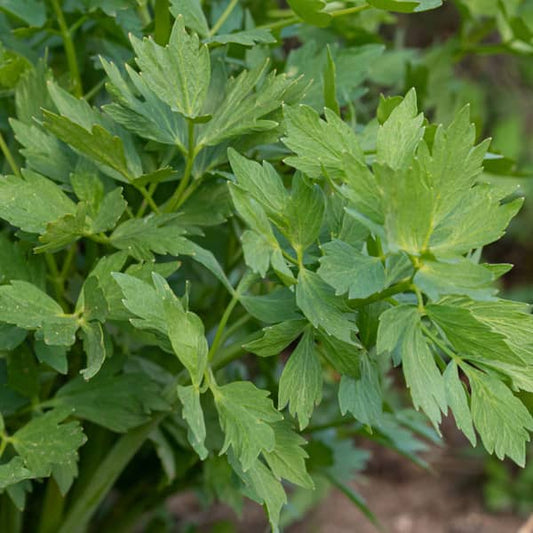
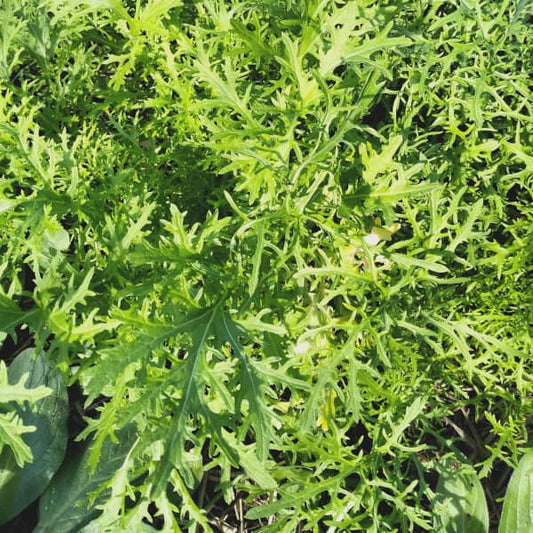
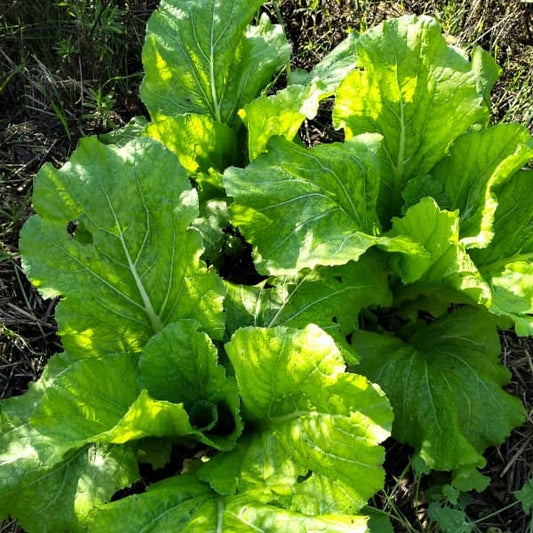
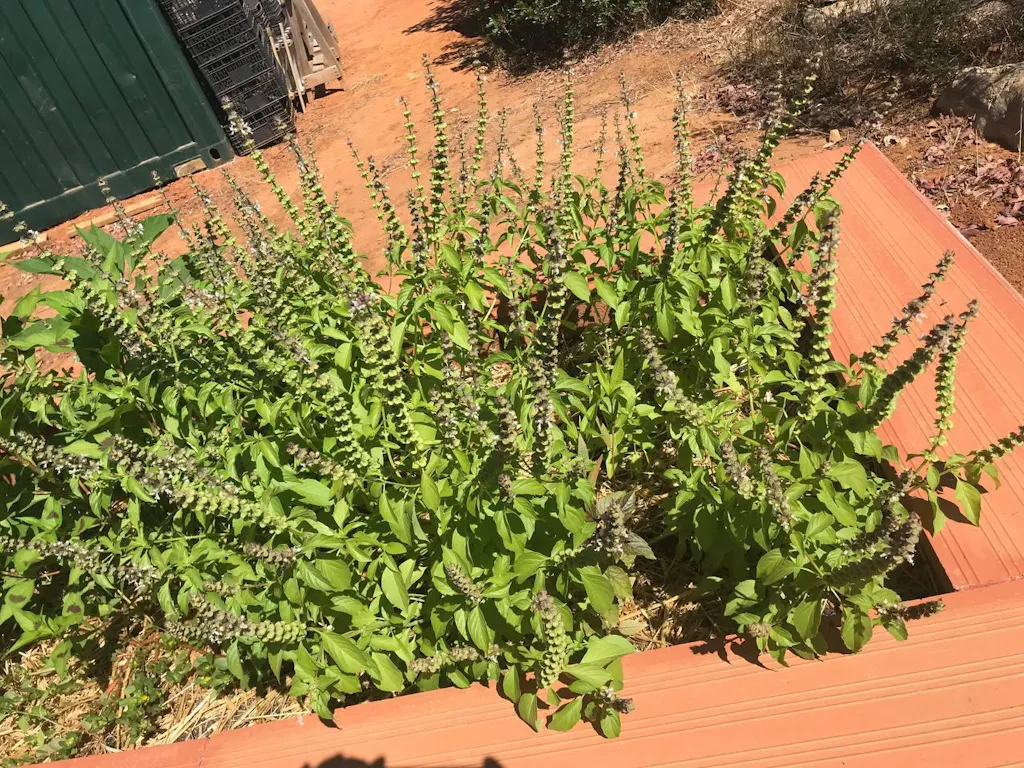
The biennial angelica is a robust and versatile tea, spice and medicinal plant for cold and warm climates. For centuries it has been popular as a medicinal herb for ailments such as digestive and sleeping disorders or rheumatic complaints. Ideal for direct sowing or pre-cultivation, no pot culture, sowing spring-autumn, good for mixed culture, harvesting the roots, flowers and leaves.
Description
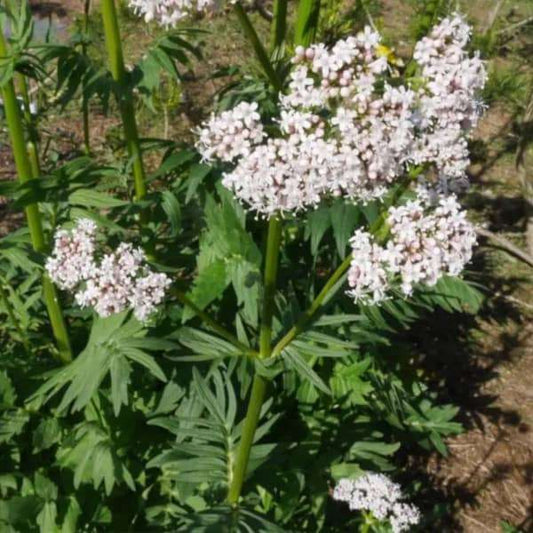
Angelica is a mostly biennial, versatile tea, spice and medicinal plant and is native to all of Eurasia and is one of the largest perennials in the Central European flora. In folk medicine and naturopathy, this hardy species has been firmly established and highly valued as a medicinal herb for centuries. In cooler parts of the temperate latitudes up to the subarctic of Scandinavia and Russia, the plants are often found growing wild, but they also thrive in warm climates. In the past, they were used in popular belief to ward off plague, poisons and magic. The robust and highly aromatic plants give off a sweet aromatic scent that attracts numerous pollinating insects. The taste is very spicy, somewhat sweet, slightly spicy and bitter. The leaves are mainly used as tea, bath additive or as a spice in mint sauces and mayonnaises. Stems can be candied and the dried roots are used as an additive for scented bowls. Valuable active ingredients can be extracted from the root to help with digestive disorders, for example, or with sleep and rheumatic complaints. A species for damp locations.
General information
Plant family: Apiaceae
Life cycle: Biennial
Days to harvest: 120 days
Plant height approx.: 250 cm
Root type: Deep rooter
Nutrient requirements: Medium
Water requirements: High
Winter hardiness: Up to -40°C
Location: Sunny
Soil: Permeable, humus-rich clayey loam soil
pH value: 6.5 to 7.5
Sowing and planting information
Germination type: Dark and cold germinator
Sowing depth: 1-2 cm
Optimal germination temperature: 3-10 °C
Germination time: 7-30 days
Plant and row spacing: 75x100 cm
Germination ability of seeds: 1-2 years
Mixed culture
Optimal mixed culture: Pea
Unfavorable mixed culture: -
Sowing by climate zone
Subtropic climate (Mediterranean) (e. g. B. Portugal, Spain, Italy)
Direct sowing is recommended from January to March and in autumn from November to December. The plants should ideally be planted in a sunny location.
Moderate climate (e. g. B. Germany, Switzerland, Poland)
We recommend direct sowing from January to March and in autumn from August to September. The plants should ideally be planted in a sunny location.
General recommendations
For stratification, the seeds should be kept in moist sand or soil in the refrigerator for 6 weeks. The angelica perennials usually live for 2 years and die after flowering, but under favorable conditions they can live up to 4 years. Direct sowing is recommended. After germination, thin out the plants to the specified plant spacing. Pre-cultivation is also advisable.
Angelica prefers a permeable, nutrient-rich, moist and humus-rich or clayey loam soil. Doesn't tolerate waterlogging.
Additional tips
Pregnant or breastfeeding women should not eat the herb; everyone else should only eat it in small doses. When sowing directly, the seeds should be sown before frost. In the first year, the plant develops strong foliage and in the second year it produces flowers. With this species, if the seeds are sown too late, they may germinate in the second year. To obtain the highest content of nutrients, the root is dug up and cleaned shortly before flowering. To quickly obtain a fine, crumbly and permeable soil with good nutrient and water retention capacity, it is recommended to also work in biochar and primary rock flour.
Type of propagation
Propagation occurs via seeds.
Plant care
Avoid drying out the plants. Regular watering is necessary for stable growth. Because the plants grow slowly when young, weed the surrounding herbs after the seeds have sprouted. Cut back the tips of the shoots several times in the young stage to encourage bushy growth. Fertilize with plant manure every 6 months from the second year onwards.
Other names
Botanical names: Angelica archangelica
English names: Angelica, Garden Angelica, Norwegian Angelica
German names: Engelwurz, Angelikawurzel, Engelbrustwurz, Erzengelwurz, Heiliggeistwurzel
Portuguese names: Angélica
Spanish names: Angélica
French names: Angélica
Origin
Country: Portugal