Lemon Balm – traditional aromatic medicinal and culinary herb with a refreshing lemon scent.
Perennial wild herb with a lemon‑fresh aroma and a high content of essential oils. It grows robustly, is winter‑hardy, and is suitable for open ground, containers and naturalistic gardens. It germinates reliably and is a long‑lived, persistent perennial. Ideal for self‑sufficiency and ecological medicinal‑herb cultivation.
 Origin & History
Lemon balm has been valued for centuries as a wild medicinal and culinary herb. Its original range extends from the Mediterranean region across southern and central Europe to Central Asia and Iran. The name “Melissa” derives from Greek and means “honeybee,” referring to the strong attraction of its flowers to pollinators. It belongs to the mint family (Lamiaceae), the subfamily Nepetoideae, and the genus Melissa.
Lemon balm was already cultivated and used in antiquity. Dioscorides mentioned it as a medicinal plant, and Roman authors such as Pliny described its applications, including rubbing it onto new beehives to attract swarms. Arab physicians of the 10th century used it to strengthen the heart and to treat melancholy. During the Carolingian period, its cultivation was mandated in monastic gardens, and in medieval Europe it was regarded as a “comfort for the heart” and became a central herb of monastic medicine.
Over the centuries, the plant spread far beyond its original range and became naturalized throughout Europe and later in North America as a medicinal, culinary and aromatic herb. Its characteristic lemon scent, released when the leaves are crushed, has been appreciated since antiquity and is due to essential oils such as geranial and neral. Owing to its long history of use, its versatility and its high content of valuable constituents, lemon balm remains one of the most important traditional medicinal plants of Europe.
 Appearance & Characteristics
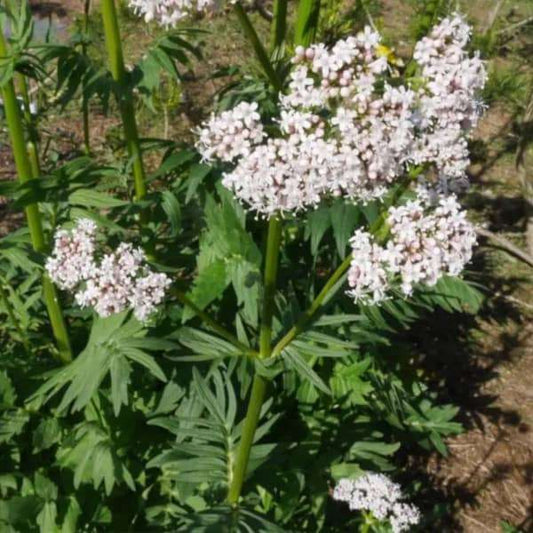
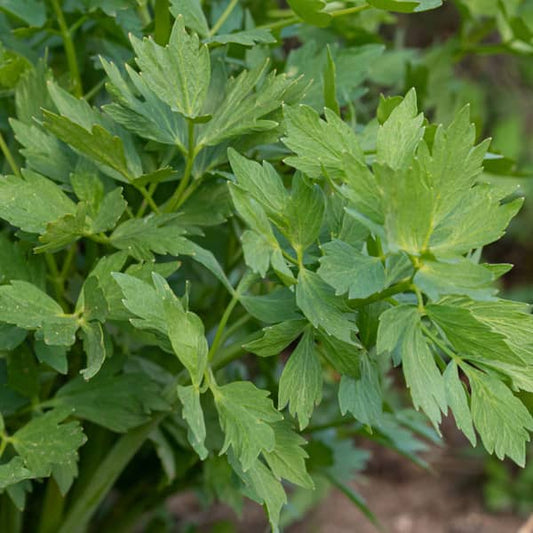
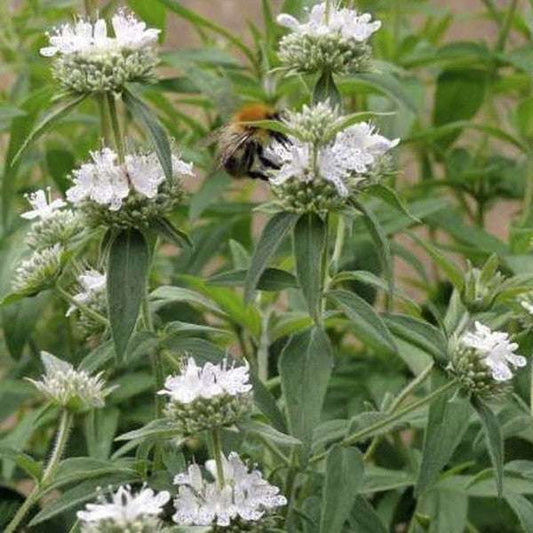
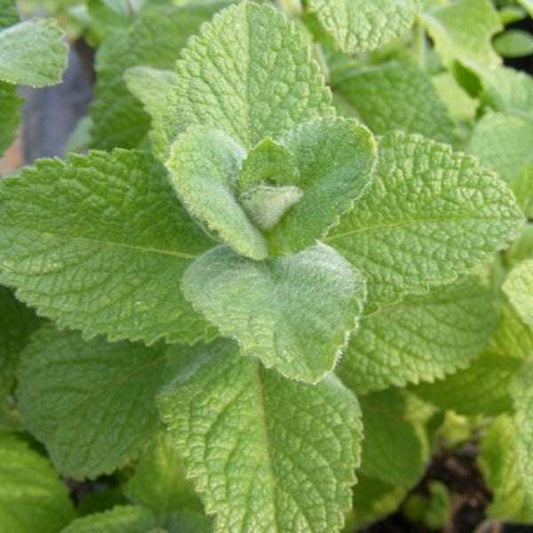
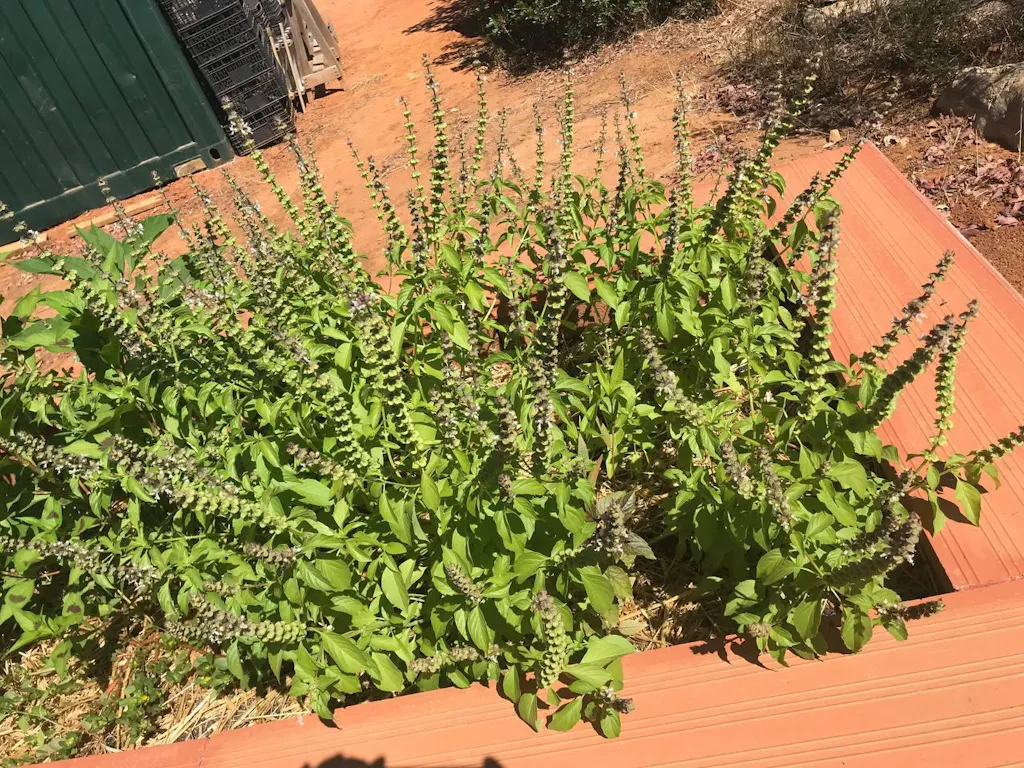
The plant is perennial and herbaceous, forming upright, branched stems with light green, aromatic leaves. The small white to pale pink flowers appear from summer into autumn and are highly attractive to bees. It forms a rhizome with short underground runners. It is hardy to around −25 °C, and well‑established outdoor plants can withstand even lower temperatures.
Plant details:
Height: Medium, 50–100 cm
Form: Upright, bushy, strongly branched
Leaves: Oblong‑ovate, aromatic
Flowers: White to pale pink, in whorls
Flavor: Lemon‑fresh, aromatic, mild
 Usage & Cultivation Highlights
Lemon balm is ideal for tea, refreshing drinks, summer salads, aromatherapy and natural cosmetics. Its essential oils have a calming effect and are traditionally used for stress, nervousness, sleep disorders and digestive discomfort. Applied externally, it soothes irritated skin and supports regeneration. It refines desserts, herb butter, syrups and light summer dishes, works well in smoothies and fragrance blends, and is used in herbal medicine to support the immune system, for colds and for gentle relaxation.
Lemon balm grows reliably in open ground, polytunnels and containers. The plant is easy to care for, winter‑hardy and can be harvested for many years. Its flowers attract numerous beneficial insects such as bees and bumblebees, supporting ecological balance in the garden. Thanks to its robust nature, it continues to grow well even in less‑than‑ideal soils, regenerates quickly after each cut and allows multiple harvests. It forms long‑lived clumps and is excellent for herb spirals and naturalistic gardens. It also shows strong tolerance to dry periods and fluctuating weather conditions.
Compared to other species of Melissa, lemon balm is the classic traditional medicinal herb with particularly aromatic leaves – ideal for those who appreciate low‑maintenance, perennial herbs with high value for insects.