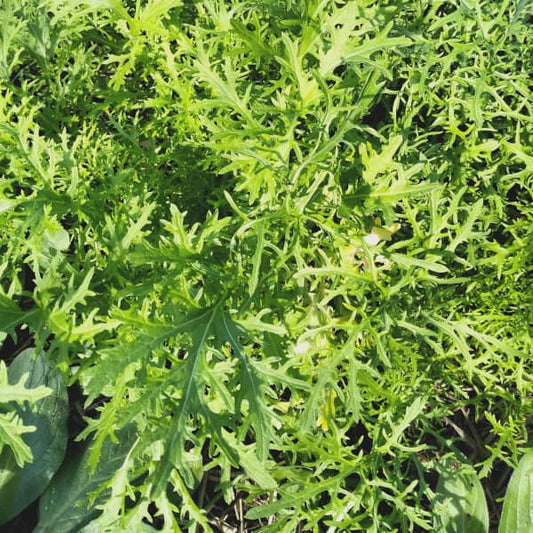
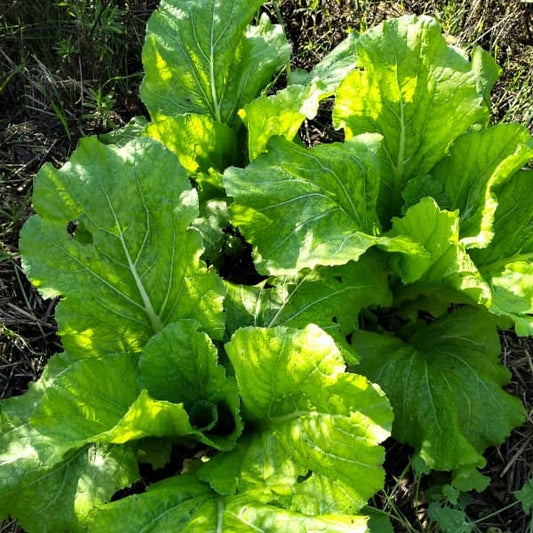
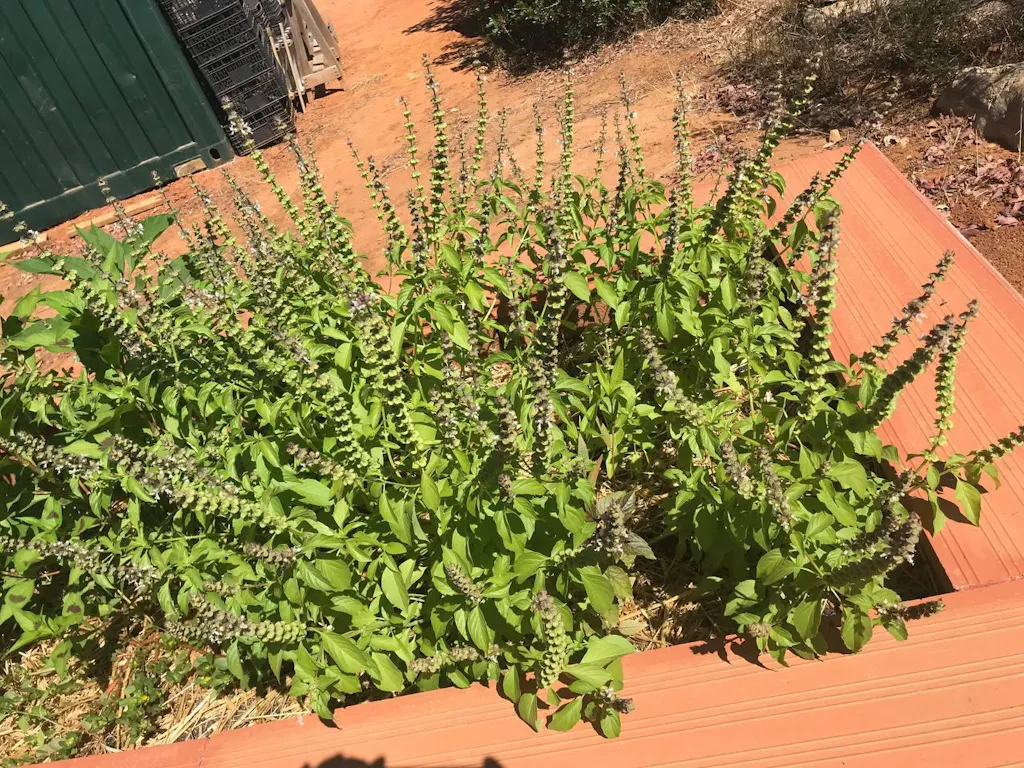
The annual oilseed radish is a very old oil, animal feed, and green manure crop for warm regions. It has nematode-reducing properties and produces high levels of biomass and nitrogen. It is suitable for improving soil structure in lightly compacted, poorly draining, and humus-poor soils. Ideal for direct sowing, no pot culture, sowing spring-summer-autumn, good for mixed culture, harvesting the seeds.
Description
The oilseed radish is an ancient annual oil, animal fodder, and green manure plant originating from the warm regions of Egypt. This species was originally bred thousands of years ago to produce oil, which was used as food and lamp oil. Today, the very vigorous oil radish is not only used for oil production, but also as a fodder and foundation plant. Due to its nematode-reducing properties, high biomass, and deep, strong roots, the species is particularly suitable for slightly compacted, poorly draining, and humus-poor soils. The plants optimize water drainage and the soil's water retention capacity. Ideal as a cover crop to enrich the soil with nitrogen, provide shade, and improve soil structure. It is also suitable for areas on slopes and embankments prone to erosion. Highly resistant to the root-knot nematode Meloidogyne hapla.
60g is sufficient for approx. 22 m²
General information
Plant family: Brassicaceae
Life cycle: Annual
Days to harvest: 100 days
Plant height approx.: 100 cm
Root type: Deep rooter
Nutrient requirements: Low
Water requirements: Low
Winter hardiness: Up to 0°C
Location: Sunny
Soil: Permeable, sandy loam soil
pH value: 5.5 to 7
Sowing and planting information
Germination type: Dark germinator
Sowing depth: 2-4 cm
Optimal germination temperature: 8-15 °C
Germination time: 7-14 days
Plant and row spacing: 10x15 cm
Germination ability of seeds: 1-2 years
Mixed culture
Optimal mixed culture: Potato
Unfavorable mixed culture:
Sowing by climate zone
Subtropic climate (Mediterranean) (e. g. B. Portugal, Spain, Italy)
Direct sowing is recommended from October to May. The ideal location for the plants is sunny.
Moderate climate (e. g. B. Germany, Switzerland, Poland)
Direct sowing is recommended from March to September. The ideal location for the plants is sunny.
General recommendations
We recommend direct sowing, followed by hoeing the seeds into the soil. After germination, thin the plants to the specified spacing. Seeds germinate at soil temperatures as low as 2 to 3°C. Clay or sandy soils provide the optimal structure for root penetration and growth. It thrives in nutrient-rich soils but can also adapt to less fertile soils and improve them over time.
Oilseed Radish prefers clay or sandy soils, they provide the optimal structure for root penetration and growth. It thrives in nutrient-rich soils, but can also adapt to less fertile soils and improve them over time. Doesn't tolerate waterlogging.
Additional tips
For fallow cover, cut the plant 30 cm above the ground to encourage new growth from the leaf axils and thus reestablish a dense stand. To use oil radish as a fodder crop, wait until the pod stage after flowering, as this is when the bitterness content is at its lowest. In order to quickly obtain a fine, crumbly and permeable soil with good nutrient and water retention capacity, additional incorporation of biochar and primary rock flour is recommended.
Type of propagation
Propagation occurs via seeds.
Plant care
Regular watering promotes faster growth, but is not required. No fertilization is necessary.
Other names
Botanical names: Raphanus sativus var. oleiformis
English names: Oilseed radish, Fodder radish, Tillage radish, Cover crop radish
German names: Ölrettich, Saatrettich
Portuguese names: Rábano de azeite, Óleo rabanete
Spanish names: Rábano aceite
French names: Radis oléagineux
Origin
Country: Portugal