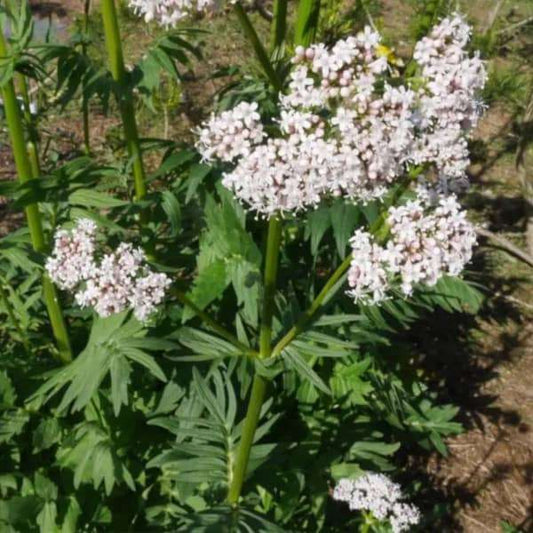
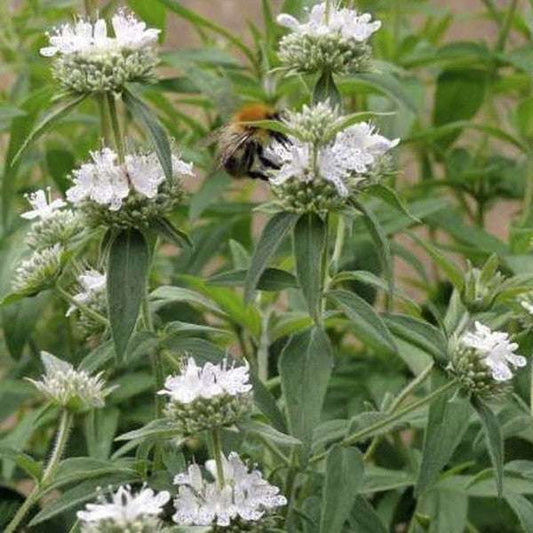
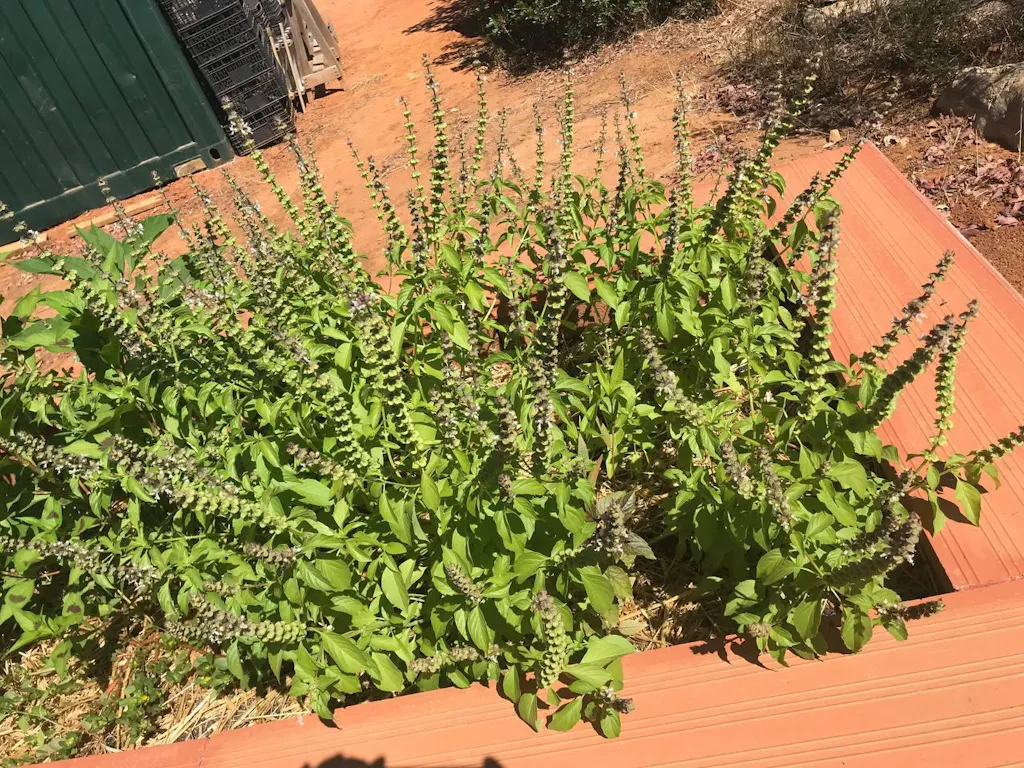
The annual phacelia is an ancient, well-known, and wild green manure, tea, fodder, and medicinal plant for dry soils. It is used for soil improvement and weed suppression. As a bee pasture, it attracts many insects. Ideal for direct sowing, pot cultivation possible, sowing spring-autumn, good for mixed cultivation, harvesting flowers and seeds.
Description
Phacelia is an annual wild green manure, tea, fodder, and medicinal plant that is well known to every beekeeper and gardener. This robust and drought-tolerant wild plant is native to the dry highlands of California, Arizona, and Mexico, where it grows up to 2,000 meters in altitude. In nature, the herbaceous, upright plant occurs naturally along roadsides and in fields. It has been cultivated extensively since the beginning of the 19th century. Due to its special properties, it has proven itself as a green manure plant and is highly valued in organic gardening. In home gardens, it is often planted in dry perennial beds or rockeries alongside ornamental grasses and other annuals. Its dense root system enriches the soil organically, loosens it, and helps combat soil fatigue. It is not related to any native vegetable species, which makes it easy to integrate into crop rotation. Sowing green manure plants acts like a soil treatment, protecting the soil from drying out and crusting in winter. It also reliably suppresses weeds and can be used as a pre-crop for new lawns or to quickly green up fallow land. It is undemanding and grows in almost any soil. As a medicinal plant, the plant's flavonoids and other bioactive substances have anti-inflammatory properties and are consumed as a tea. It also has a calming effect and can be helpful in relieving stress and anxiety. Thanks to its antimicrobial properties, the plant is also a valuable ingredient in ointments and lotions for treating skin problems such as eczema and minor injuries. The flowers of these cold-sensitive plants provide a valuable food source for bees, bumblebees, and other pollinators.
10g is sufficient for approx. 5 m²
General information
Plant family: Boraginaceae
Life cycle: Annual
Days to harvest: 80 days
Plant height approx.: 70 cm
Root type: Deep rooter
Nutrient requirements: Low
Water requirements: Low
Winter hardiness: Up to -6°C
Location: Sunny until semi shady
Soil: Permeable, humus-rich sandy loam soil
pH value: 6 to 7.5
Sowing and planting information
Germination type: Dark germinator
Sowing depth: 1-2 cm
Optimal germination temperature: 12-18 °C
Germination time: 8-14 days
Plant and row spacing: 15x25 cm
Germination ability of seeds: 2-3 years
Mixed culture
Optimal mixed culture: Raspberries, Cauliflower, Peas, Beans, Potatoes
Unfavorable mixed culture: -
Sowing by climate zone
Subtropic climate (Mediterranean) (e. g. B. Portugal, Spain, Italy)
Direct sowing from February to May or as a green manure in the fall from October to November is recommended. The ideal location for the plants is sunny.
Moderate climate (e. g. B. Germany, Switzerland, Poland)
Direct sowing from March to June or as a green manure in the fall from September to October is recommended. The ideal location for the plants is sunny.
General recommendations
Direct sowing by broadcasting is recommended. Then, lightly work the seeds into the soil with a rake. Because the plant is sensitive to cold, sowing should be delayed until frost is no longer expected. After germination, thin out any plants that are too close together to the specified plant spacing. Phacelia prefers loose, well-drained soil. Soils with a high sand or clay content particularly benefit from its soil improvement effect, as it retains moisture better and can help stabilize the soil structure.
Phacelia does not tolerate waterlogging.
Additional tips
Phacelia can be used as a cut flower, but the hairy leaves and stems can trigger a contact allergy in sensitive people. In order to quickly obtain a fine, crumbly and permeable soil with good nutrient and water retention capacity, additional incorporation of biochar and primary rock flour is recommended.
Type of propagation
Propagation occurs via seeds.
Plant care
Phacelia tolerates drought well and requires little care. It should only be watered sufficiently during the growth phase, and care should be taken to ensure the topsoil does not dry out. To extend the flowering period, a little fertilizer can be applied once a month. To prevent self-seeding, it is advisable to prune the plant before fruiting.
Other names
Botanical names: Phacelia tanacetifolia
English names: Phacelia, Bee friend, Lacy phacelia, Bee phacelia, Simply phacelia, Purple tansy, Fiddleneck
German names: Phacelie, Rainfarn-Phazelie, Büschelschön, Büschelblume, Bienenfreund
Portuguese names: Phacelia, Facélia azul
Spanish names: Facelia, Facelia de hoja de tanaceto
French names: Phacélie à feuilles de tanaisie
Origin
Country: Germany