Mangetout Pea 'Weggiser' - Pisum sativum

€3,00 EUR
€150,00 EUR 1kg
Price plus shipping
Delivery time: 1-2 business days (PT – international may vary)
reicht für ca. 5 m row

In stock

Regionally adapted landrace. Open-pollinated & non-hybrid – 100% free from genetic engineering & synthetic fertilisers. Ecologically propagated – non‑proprietary variety.
Bohnensamen2

Harvest year:

2023

Seed viability:

Up to 4 years (species-specific)
Detailed information on germination capacity

Description

Cultivation & Characteristics

Mangetout Pea ‘Weggiser’ – regional landrace with purple flowers and numerous tender pods.

This open-pollinated mangetout pea produces numerous small, flat pods with a crisp, tender texture and a pleasantly sweet, aromatic pea flavour. When harvested young, they are stringless and can be eaten whole while the peas inside are still small. This mid-early variety grows vigorously with support and combines abundant pod production with striking purple flowers. Its manageable pods are particularly suitable for fresh use in the kitchen and for eating straight from the garden. Cultivation is recommended during the mild growing periods in Mediterranean regions and in spring in Central European climates.

  Origin & History

‘Weggiser’ is an old landrace with a long tradition of cultivation in the Swiss canton of Lucerne. The variety is particularly associated with Weggis on Lake Lucerne, and another traditional name for it is ‘De Weggis’. Its introduction into the seed trade is dated to around 1942. It is therefore one of the historic mangetout pea varieties that have been grown in Swiss gardens for several generations. Its characteristic features include purple flowers and numerous smaller pods, whose tender texture and good flavour continue to distinguish the variety today.

In today’s seed trade, it is also offered under the name ‘Roodbloeiende’. While large-podded mangetout varieties stand out primarily for the size of their individual pods, a characteristic feature of ‘Weggiser’ is the large number of small, tender pods it produces. The variety forms part of the conservation collection of the Swiss national genebank and continues to be grown and propagated as an open-pollinated mangetout pea. This has preserved a regionally rooted vegetable variety that holds a distinctive place among traditional mangetout peas for both its flower colour and its delicate harvest.

   Appearance & Characteristics

The plants develop slender, herbaceous shoots with green, paired leaflets and tendrils that enable them to cling to a support. Under normal growing conditions, they reach around 120–150 cm in height. Purple pea flowers appear among the foliage and develop into numerous green pods. These hang visibly from the shoots and remain flat when harvested early. Young plants tolerate light frost, while flowers and developing pods are more sensitive to sub-zero temperatures. Overwintering outdoors is possible in areas with mild winters, but protection is required during severe frost.

Pod details:

  • Size: Small, around 8 cm long

  • Shape: Flat, elongated and slightly curved

  • Colour: Light to medium green

  • Texture: Crisp, tender and stringless when young

  • Flavour: Sweet, aromatic and with a fresh pea flavour

 Usage & Cultivation Highlights

The young pods can be eaten fresh as a crisp snack, in salads or as a vegetable side dish. Lightly steamed, stir-fried or cooked briefly with other vegetables, they remain pleasantly tender and retain their delicate pea flavour. They also work well with rice and pasta dishes and in light spring dishes. Slightly more developed peas can be shelled and prepared like young garden peas. For longer-term storage, the pods can be briefly blanched and frozen, while young shoot tips can also be added to salads.

Its mid-early maturity allows the crop to be harvested before the onset of intense summer heat. Rather than producing a small number of very large pods, ‘Weggiser’ provides numerous smaller pods for repeated harvests. Its climbing growth makes good use of vertical space in the bed and provides easy access to the pods. As a legume, the plant can fix atmospheric nitrogen with the help of root-nodule bacteria and requires no additional nitrogen fertiliser in well-supplied garden soil. This also makes it useful in varied vegetable crop rotations.

Compared with other mangetout pea varieties, ‘Weggiser’ stands out for its purple flowers and the large number of small, tender pods it produces. Its taller, climbing growth is particularly well suited to beds with sturdy supports, while its sweet, stringless pods provide a delicate harvest for eating raw or using in briefly cooked vegetable dishes.

Cultivation_Overview_-_Anbau_im_Uberblick_-_Visao_geral_do_cultivo_-_www

Origin & Cultivation at a Glance

First mention:

Around 1942

Origin:

Unknown

Breeder:

Unknown

Propagation site:

Zurich – Switzerland

Suitable for:

Open field, Raised bed, Balcony / pot, Urban gardening

Overwintering:

Possible outdoors in mild winters, protect from severe frost.

Special features:

Fast-growing, High-yielding, Resilient, Low-maintenance
benjis-seeds-plant-growing-instructions-icon

Cultivation guide for

Mangetout Pea 'Weggiser'

Growing difficulty:

Easy

Care requirements:

Low – easy to care for, ideal for beginners.
This variety grows best in loose, humus-rich and well-drained garden soil. Before sowing, loosen the soil, remove weeds and prepare the surface to a fine tilth. No additional nitrogen fertiliser is required in soil that is already well supplied with nutrients. Avoid fresh manure and waterlogging. Before sowing, put up a sturdy support around 150–180 cm high.

Sow the seeds 2–3 cm deep and 5 cm apart within the row, leaving 50–60 cm between rows. Close the seed drills, firm the soil gently and water carefully. Keep evenly moist until the seedlings emerge. At 10–20 °C, germination usually takes 10–20 days. Pricking out is not required when direct sowing.

When the plants are around 10–15 cm tall, earth them up lightly and guide the young shoots onto the support. Hoe carefully and only shallowly between the rows. Water regularly during dry periods while the plants are flowering and forming pods. Harvest the pods regularly while they are still flat and tender. When picking, hold the shoot with your free hand. At the end of the growing period, cut healthy plants off at ground level and leave the roots in the soil.

Mediterranes Klima

In Mediterranean climates, we recommend direct sowing from February to March in a sunny, airy and sheltered position. In areas with mild winters, sowing from October to November is also recommended. Sowing under cover is not recommended for this cultivation method. Sow autumn crops only in well-drained soil and protect them from severe frost. Mild temperatures favour flowering and pod set, while prolonged summer heat and drought can reduce yields. Depending on the sowing time, harvesting takes place from spring to early summer. Overwintered crops take longer to reach their first harvest than spring-sown crops.

Mitteleuropäisches Klima

In Central European climates, we recommend direct sowing from March to April in a sunny, airy and sheltered position, once the soil has dried sufficiently and warmed up. Sowing under cover is not recommended for this cultivation method. Early sowing allows the pods to develop before the onset of intense summer heat. During dry periods in spring, keep the soil evenly moist and protect flowering plants with fleece when late frost is forecast. Depending on the sowing time, harvesting begins between May and July, usually 2–3 months after sowing.

Cultivation tips:

• Regular harvesting encourages new fruit set and increases overall yield.
• Keep evenly moist during flowering and pod development.
• Harvest young pods before the peas inside become clearly visible.
• When the plants are around 10–15 cm tall, earth them up lightly.
• At the end of the growing period, cut healthy plants off at ground level and leave the roots in the soil.

Storage instructions:

Store seeds in a cool, dry, dark, and airtight environment to maximize shelf life and germination.
Detailed information on seed storage
Plant_Profile_-_Pflanzen_Steckbrief_-_Ficha_da_planta_-_www

Plant Profile

Mangetout Pea 'Weggiser'

Plant details

Botanical name:
Pisum sativum L. 'Weggiser'
Botanical family:
Fabaceae – pea family
Plant type:
Legume vegetable
Growth habit:
Herbaceous, Compact, Climbing
Plant width:
30–40 cm
Plant height:
120–180 cm
Root type:
Moderately to deep rooted, Taprooted
Hardy to:
−4 °C – possible for short periods in young plants.
Cultivation period:
3-4 months
Life cycle:
Annual

Sowing & Planting

Germination type:
Light-independent germinator
Sowing depth:
3-4 cm
Germination temperature:
10-20 °C
Germination time:
10-20 days
Pot culture:
Requires a minimum container size of 10-15 liters.
Row spacing for baby leaf:
For baby leaf production, we recommend using sprouting and microgreens seeds.
Plant spacing:
5–6 cm
Row spacing:
30–40 cm
Pricking out / thinning out:
No thinning required – direct sowing recommended.
Planting time:
Transplanting not required - direct sowing is recommended.

Soil

Soil type:
Well-drained, humus-rich loam soil
Soil pH:
6.0-7.5 – slightly acidic to alkaline
Nutrient requirements:
Light feeder
Soil moisture:
Evenly moist, Sensitive to waterlogging
Soil preparation:
Loosen soil before sowing, Prepare soil weed-free and with a fine crumb structure.

Companion planting, Crop rotation & Harvest

Companion plants:
Carrot, Brassicas, Lettuce, Radish, Radish varieties, Beetroot, Dill, Calendula
Incompatible plants:
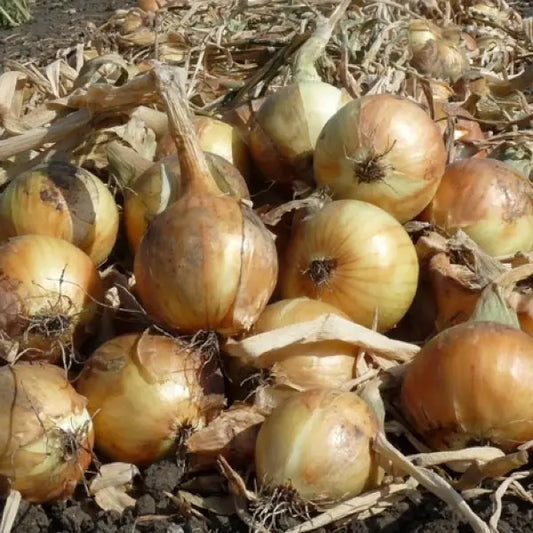
Onion crops, Potato
Crop rotation guidelines:
• Do not plant after other legumes – at least 4 years of spacing recommended.
Sowing to harvest:
2-3 months
Harvested parts:
Young pods, Unripe seeds, Young shoot tips
Suitable for consumption:
Yes - edible raw.
Intended use:
Raw consumption, Salad, Steaming, Cooking, Roasting, Freezing

Care & Cultivation practices

Water requirements:
Moderate
Plant care techniques:
Water regularly - even during dry periods, Loosen and hoe, Hill up, Create a climbing support, Maintain weed-free
Plant protection:
Slug protection recommended, Well-ventilated location and good drainage recommended., Check early for aphids., Protect flowering plants when frost is forecast
Cultivation notes:
Susceptible to slugs and snails in early development. Sensitive to waterlogging – use well-drained soil. Can be infested by aphids - occasional monitoring recommended. Loss of quality in heat – prefer cool locations.
Propagation method:
Generative propagation by seed
Propagation:
• This variety is predominantly self-fertile and belongs to the species Pisum sativum.
• For seed production, a minimum isolation distance of 15 m from other varieties of the same species is recommended, as cross-pollination is rare but possible.
• For seed saving, collect seeds from 20–50 healthy, true-to-type plants.
• The seeds are ready for harvest once the pods have fully dried and become straw‑brittle.
• Allow harvested pods to finish drying in a well-ventilated place, remove the seeds, clean them and dry them thoroughly.

Other names

EN - English names:

• Mangetout pea • Sugar pea • Snow pea

DE - German names:

• Zuckererbse • Kaisererbse • Zuckerschote • Kaiserschote • Kefe

PT - Portuguese names:

• Ervilha de quebrar • Ervilha torta

ES - Spanish names:

• Tirabeque • Bisalto

FR - French names:

• Pois mangetout • Pois gourmand

Customer Reviews

Be the first to write a review
0%
(0)
0%
(0)
0%
(0)
0%
(0)
0%
(0)

Reviews in Other Languages

Further recommendations for you

Open-pollinated and reproducible