Wormwood – aromatic, silver‑bushy wild perennial with an intense bitter aroma and traditional significance.
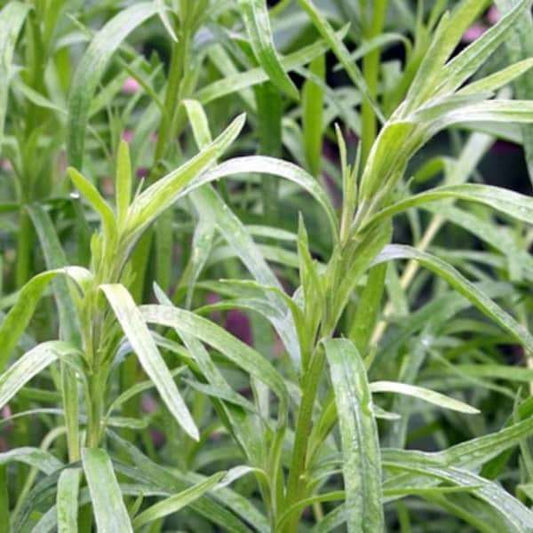
Perennial, robust wild herb with silver‑grey, finely divided foliage and a distinctive aromatic scent. It grows in a bushy habit, is winter‑hardy, and thrives in open ground, rock gardens, and dry sites. It germinates reliably and forms long‑lasting, persistent clumps. Ideal for self‑sufficiency, bitter preparations, and ecological herb cultivation.
 Origin & History
Wormwood is one of the oldest bitter and medicinal plants of the Old World, accompanying humans for more than two millennia. Its original range lies in the dry, sunny regions of Europe, North Africa, and Western Asia. Botanically, wormwood belongs to the Asteraceae family, the Asteroideae subfamily, and the genus Artemisia, traditionally associated with the protective goddess Artemis.
The earliest documented reference dates to the 1st century AD. The Greek physician Dioscorides describes wormwood in his work De materia medica as one of the most important bitter herbs of his time. Pliny the Elder and Hippocratic medicine also mention it as a strengthening, digestion‑supporting herb.
In the Middle Ages, wormwood became a staple of monastic gardens. Herbals and medical writings from the 9th to 12th centuries describe it as a cleansing, fortifying, and protective plant. Hildegard of Bingen and later Paracelsus valued it as a classic bitter remedy. It was so widespread that it appeared in cottage gardens, apothecary gardens, and along pathways throughout much of Europe.
With the early modern period, wormwood gained importance in the production of bitter liqueurs, absinthe, and vermouth. Its bitter compounds—especially absinthin—and essential oils such as thujone still define the characteristic flavor of these traditional beverages.
 Appearance & Characteristics
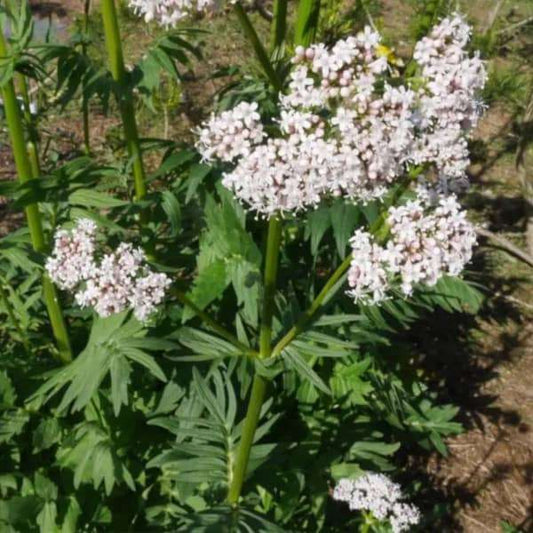
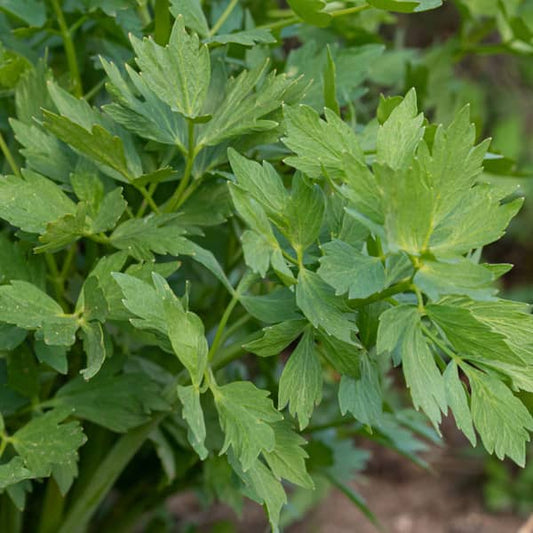
The plant is a perennial, herbaceous species forming upright, bushy stems. Its leaves are finely divided, silver‑grey, and densely pubescent. Small yellowish flowers appear from late summer in loose, paniculate inflorescences. It develops a strong, deep‑reaching taproot with a long‑lived crown. Hardy to at least −29 °C.
Plant details:
Height: Medium, 60–120 cm
Form: Upright, bushy, compactly branched
Leaves: Finely divided, silver‑grey
Flowers: Yellowish, in panicles
Flavor: Intensely bitter and aromatic
 Usage & Cultivation Highlights
Wormwood is ideal for bitter liqueurs, absinthe, vermouth, and traditional herbal preparations. Its aromatic, bitter flavor refines tinctures, bitter elixirs, and herbal teas. Dried leaves and flowering stems are used for incense, tea, rituals, scented sachets, herb bundles, and decorative wreaths. In many regions it is regarded as a classic protective and cleansing herb. Its shoots add aroma to vinegar, oils, and traditional beverages. Wormwood has also been used for centuries to repel insects, whether in bouquets, cupboards, or natural repellent blends. In the garden it serves as a robust, fragrant structural plant that attracts beneficial insects while deterring pests. It is also well suited for plant ferments, natural plant protection, and craft uses such as dried arrangements or incense pans.
Wormwood thrives reliably in open ground, rock gardens, and dry, sunny locations. The plant is extremely low‑maintenance, winter‑hardy, and harvestable for many years. Its flowers attract numerous beneficial insects and support ecological balance. Thanks to its resilience, it continues to grow steadily even in poor soils, regenerates after every cut, and allows multiple harvests. It forms long‑lasting, compact clumps, tolerates drought, heat, and nutrient‑poor sites, and remains vigorous even in full sun and exposed, windy conditions. Mature plants are resistant to slugs and well suited for container culture. Its aromatic scent naturally repels pests while simultaneously attracting pollinators. Even in lean, stony, or sandy soils, wormwood remains reliably vigorous and is ideal for prairie plantings, naturalistic gardens, and dry slopes.
Compared to other Artemisia species, wormwood is the classic bitter herb with an especially intense aroma—perfect for anyone seeking low‑maintenance, perennial herbs with strong traditional value and versatile use in the kitchen, home apothecary, and garden.