Mexican Tarragon – aromatic medicinal and culinary plant with an anise‑like scent and edible flowers.
Perennial plant, cultivated as an annual in colder regions, with a spicy, anise‑like aroma and a high content of essential oils. It grows robustly, flowers abundantly and is suitable for open ground, pots and naturalistic gardens. It germinates reliably and is an easy‑care, decorative plant. Ideal for self‑sufficiency and ecological cultivation of culinary herbs.
 Origin & History
Mexican tarragon has been used for centuries as a medicinal and culinary plant in the highlands of central and southern Mexico through to Honduras, where it grows on sunny, dry slopes and in open woodlands. The name “Tagetes” refers to the Etruscan god Tages, while “lucida” alludes to the shine of the leaves. Botanically, it belongs to the family Asteraceae, the subfamily Asteroideae and the genus Tagetes.
The Aztecs already used Mexican tarragon as Yauhtli in rituals, as incense, as a spice and as a medicinal plant, for example to flavour cacao and for calming purposes. In the 16th century it reached Europe, where it was first cultivated as an ornamental and fragrant plant and later valued as a versatile culinary herb thanks to its tarragon‑like aroma. From the 19th century onwards, it also spread to North America.
Today Mexican tarragon is cultivated worldwide in warm and temperate regions. Its anise‑like scent is produced by essential oils such as estragole and methyleugenol. Owing to its long history of use, robustness and intense aroma, it remains one of the most important traditional culinary and medicinal plants of Central America.
 Appearance & Characteristics
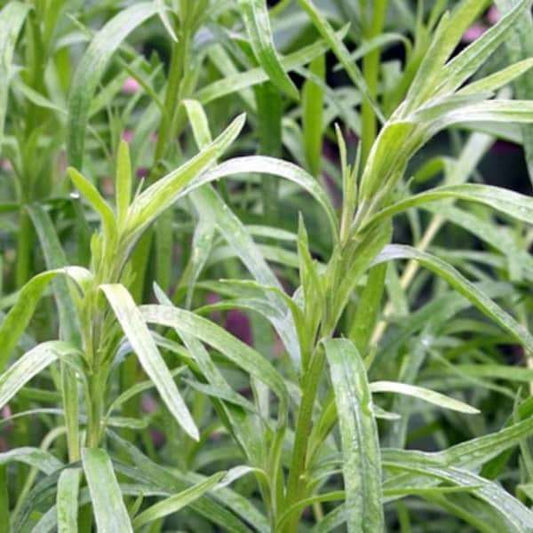
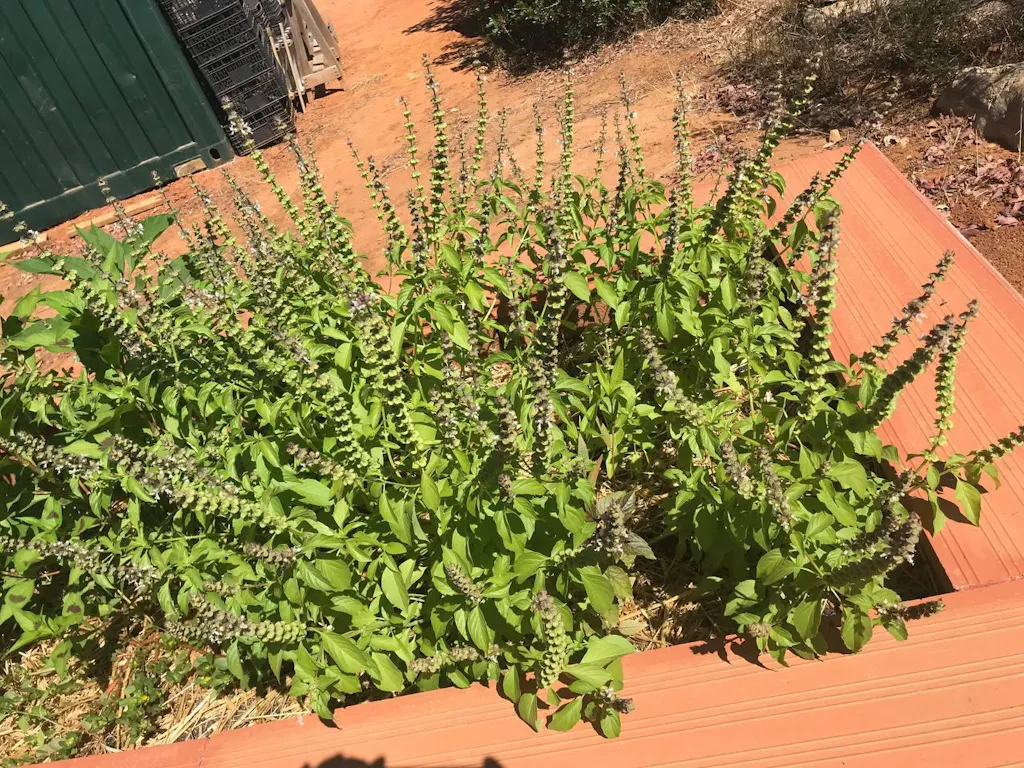
The plant is perennial but usually cultivated as an annual in temperate climates. It is herbaceous, upright and branched, with narrow, glossy, aromatic leaves. The golden‑yellow flowers appear from summer into autumn and are heavily visited by pollinators. It is sensitive to frost but tolerant of drought and heat.
Plant details:
Height: Medium, 40–70 cm
Form: Upright, bushy, strongly branched
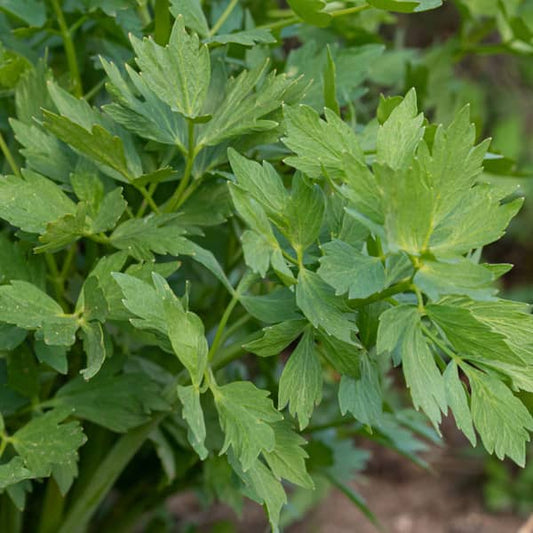
Leaves: Narrow‑lanceolate, glossy, aromatic
Flowers: Golden yellow, small
Flavor: Anise‑spicy, aromatic, slightly sweet
 Usage & Cultivation Highlights
Mexican tarragon is ideal for tea, spice blends, herb vinegar, edible flower decoration and aromatherapy. Its leaves and flowers have a spicy, anise‑like flavour and are traditionally used as a tarragon substitute, for digestive complaints, coughs and calming purposes. The essential oils have antispasmodic and digestive‑stimulating properties. It refines soups, sauces, fish dishes and salads, pairs well with poultry and vegetables, and is used in herbal medicine to support the immune system, for colds and for gentle relaxation. It is also suitable for herb butter, liqueurs, syrups and flavoured oils, can be used for incense, and features in the traditional cuisine of Central America in maize dishes, bean dishes and pumpkin preparations. In modern cooking it is increasingly used for desserts, fruit salads and fine baked goods, as its sweet‑spicy aroma rounds off both warm and cold dishes harmoniously.
Mexican tarragon grows reliably in open ground, polytunnels and pots. The plant is easy to care for, warmth‑loving and can be harvested throughout the entire season. Its flowers attract numerous beneficial insects such as bees, bumblebees and butterflies and support ecological balance in the garden. Thanks to its robust nature, it continues to grow steadily even in less ideal soils, regenerates through self‑seeding and can be harvested multiple times. It is excellent for herb spirals, cottage gardens and naturalistic gardens and shows strong tolerance to dry periods and heat. It also convinces with its compact, sturdy growth, good regenerative capacity after cutting and high resistance to most common herb diseases. Even in higher elevations and on poor, well‑drained soils it remains vigorous and aromatic, making it a particularly reliable and versatile cultivated plant.
Compared to other Tagetes species, Mexican tarragon is the classic traditional culinary plant with particularly aromatic leaves – ideal for people who appreciate low‑maintenance, floriferous herbs with high value for insects.