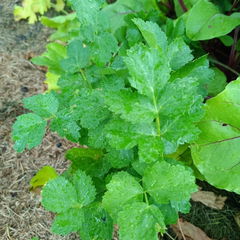
'Red Russian' Kale - Brassica napus var. pabularia

€3,00 EUR
Save {price}%
€8.571,43 EUR kg
Price plus shipping
Delivery time: 1-2 business days (PT – international may vary)
reicht für ca. 80 plants

In stock

Traditional cultivation method & heirloom variety. Regionally adapted landrace. Genetically stable & open-pollinated - 100% free from hybrid breeding, GMOs, and synthetic fertilizers. Organically propagated - Non-proprietary variety.

Local pickup at Benjis Seeds

Bohnensamen2

Harvest year:

2025

Seed viability:

5 years (species-specific)
Detailed information on germination capacity

Description

Cultivation & Characteristics

Tips & Reviews

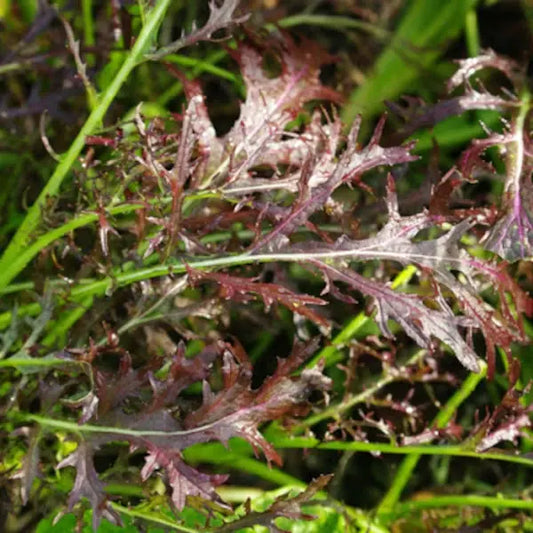
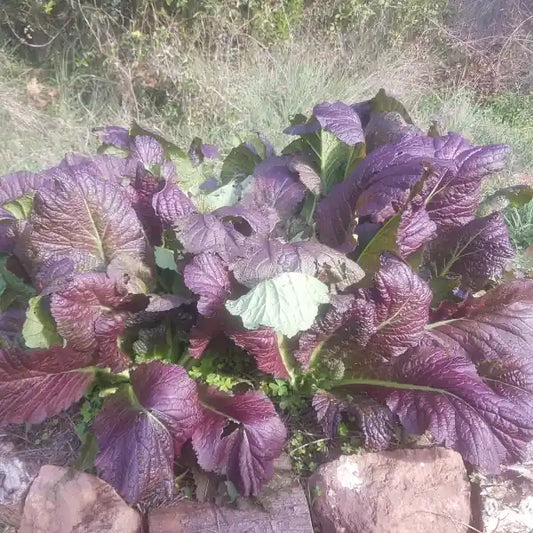
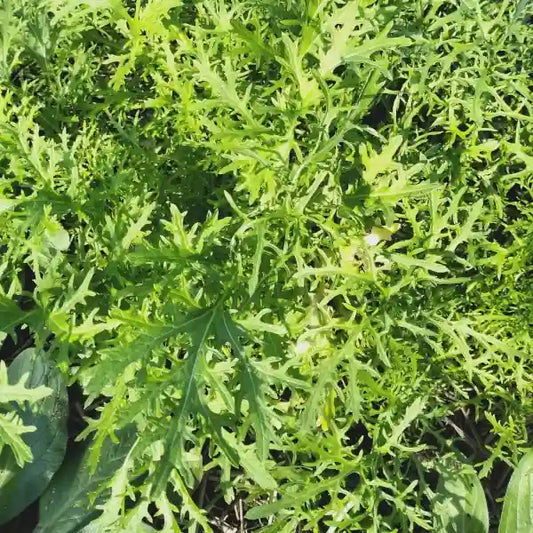
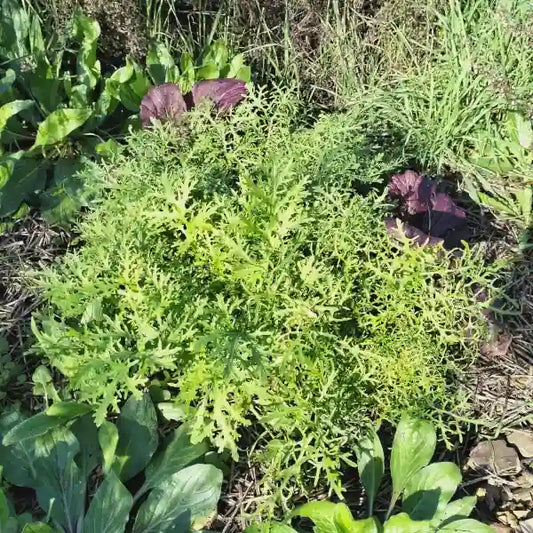
'Red Russian' Kale – historic heirloom variety with red-green, tender leaves and a mild, sweet flavor. 

This hardy leafy kale features striking red-green, tender leaves that are soft and juicy. After the first frost, they develop an especially mild, sweet flavor. The plants grow vigorously, are high-yielding, and thrive in open fields. Open-pollinated and easy to care for perfect for self-sufficiency and organic cultivation.


  Origin & History

'Red Russian' is an open-pollinated kale with a long history dating back to the 19th century. The first mentions of this variety appeared as early as 1863, before Russian traders brought it to Canada around 1885, where it quickly established itself as a hardy winter crop. It belongs to the so-called Russo-Siberian kales (Brassica napus var. pabularia), which are distinguished by their more tender, less curled leaves and mild flavor, setting them apart from the classic European kales (Brassica oleracea var. sabellica). In gardening terminology, however, it is often referred to as kale, since its cultivation and use are closely linked to the European forms.

Traditional selection of 'Red Russian' focused on producing a winter-hardy, high-yielding kale with tender leaves, strong cold tolerance, and a particularly mild, sweet flavor after exposure to frost. These qualities made 'Red Russian' one of the most popular varieties for autumn and winter growing. Preserved over generations through careful seed stewardship, it is now considered one of the best-known historic kale varieties worldwide.

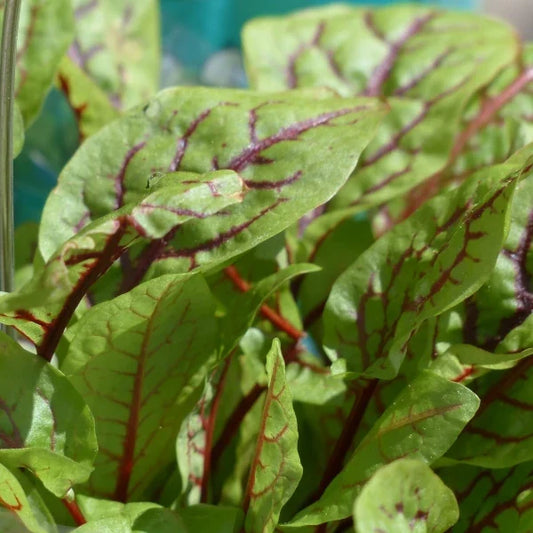
Its most distinctive feature is the striking red-green leaves with purple-red veins and stems, valued not only for their culinary qualities but also for their visual appeal. In North America, 'Red Russian' became a staple of winter cuisine and was later rediscovered in Europe, where it is appreciated as an open-pollinated alternative to modern hybrids. Its reputation as a tender, delicately flavored variety has helped it remain popular in both home gardens and commercial cultivation, where it continues to be preserved and passed on through traditional seed saving.


  Appearance & Characteristics

The plant grows upright and reaches a height of about 80 cm. It produces numerous deeply lobed, red-green leaves with purple-red veins and stems. The leaves are noticeably softer than those of many other kale varieties. Hardy down to around -15 °C, its flavor improves significantly after frost.

Leaf details:

  • Size: Medium to large, leaves about 15-25 cm long

  • Shape: Deeply lobed, slightly curled, loosely arranged

  • Color: Blue-green with purple-red veins and stems

  • Texture: Tender, juicy, less coarse than other kale varieties

  • Flavor: Mild-sweet, especially after frost, with a slightly nutty note


 Usage & Cultivation Highlights

The leaves of 'Red Russian' are well suited for fresh use in salads, smoothies, and as a garnish. Their mild-sweet flavor and tender texture make them a versatile winter vegetable. They can be steamed, sautéed, or blanched as a side dish, enhance soups, stews, casseroles, pestos, and dips, and are popular in diet and low-carb cuisine. Modern dishes such as wraps, bowls, and sandwiches also benefit from their tenderness. They can be made into chips, dried, or fermented, and are suitable for juices, detox programs, and nutrient-rich powders. Traditionally valued as a winter vegetable, they are both decorative and versatile in the kitchen.

Thanks to their winter hardiness and vigorous growth, 'Red Russian' thrives reliably in open fields as well as in greenhouses and containers. The variety is easy to care for, adapts well to different locations, and delivers stable yields even at low temperatures. Particularly noteworthy are the tender leaves, which allow for a wide range of uses, and the high cold tolerance that makes 'Red Russian' especially suitable for organic cultivation. In addition, the variety is characterized by rapid juvenile growth, enabling early harvests, and by continuous leaf regrowth, allowing multiple harvests throughout the season. It is less susceptible to common kale diseases and shows good resilience to changing weather conditions. It also grows reliably on medium soils.

Compared to other kale varieties, 'Red Russian' is especially tender and mild in flavor – a robust, winter-hardy variety, ideal for anyone who values open-pollinated kale with versatile use, attractive appearance, and reliable growth.

Cultivation_Overview_-_Anbau_im_Uberblick_-_Visao_geral_do_cultivo_-_www

Origin & Cultivation at a Glance

First mention:

1863

Origin:

Siberia

Breeder:

Unknown – heritage variety

Propagation site:

Hesse - Germany

Suitable for:

Open field, Greenhouse, Polytunnel, Cold frame, Raised bed, Balcony / pot, Urban gardening

Care requirements:

Low to medium - generally uncomplicated, manageable with some attention.

Overwintering:

Winter-hardy - suitable for outdoor cultivation.

Special features:

Quickly usable, Fast-growing, High-yielding, Resilient, Low-maintenance, Sun-loving / sunny, Shade-tolerant / partial shade, Drought-tolerant, Cold-hardy
Plant_Growing_Instructions_-_Pflanzen_Anbau-Anleitung_-_Instrucoes_de_cultivo_de_plantas_-_www

Cultivation guide for

<tc>Red Russian</tc>

Growing difficulty:

Easy
In subtropical climates, sow from September to March in sunny or partially shaded locations – pre-cultivation is possible from September onward.
In temperate regions, direct sowing frost-free from April to August in full sun – pre-cultivation from March is advisable.
Sowing in deep, well-drained, humus-rich and nutrient-rich loamy soil - 0.5-1 cm deep. Plant spacing: 25 × 30 cm.
For baby leaf, sow densely with row spacing of 10-15 cm.

Cultivation tips:

Planting only at mild day and night temperatures - avoid heat.
Water regularly - consistent moisture promotes tender leaves and mild flavor.
For a long harvest period, regularly pick outer leaves from the outside in - protect the heart to maintain growth.
Biochar and rock dust improve soil structure and enhance the retention of nutrients and water.

Storage instructions:

Store seeds in a cool, dry, dark, and airtight environment to maximize shelf life and germination.
Detailed information on seed storage
Plant_Profile_-_Pflanzen_Steckbrief_-_Ficha_da_planta_-_www

Plant Profile

Plant details

Botanical name:

<tc>Brassica napus L. var. pabularia (DC.) Rchb. ‘Red Russian’</tc>

Botanical family:

Brassicaceae

Plant type:

Brassica vegetables

Life cycle:

Biennial (grown as an annual)

Cultivation period:

5-7 months

Growth habit:

Upright growth, Herbaceous, Bushy, Main stem forming

Plant width:

50 cm

Plant height:

80 cm

Root type:

Shallow to moderately rooted, Taprooted

Hardy to:

-15 °C, occasionally down to -18 °C possible.

Cultural meaning:

Historical, Traditional, Regional landrace

Suitability for cultivation and use:

Early crop, Fall crop, Late-season cultivation, Winter cultivation, Self-sufficiency, Biodiversity, Variety conservation, Educational projects / School garden, Direct marketing, Ornamental variety, Fresh consumption, Processing

Propagation method:

Generative propagation by seed

Propagation:

This variety is cross-pollinated by insects and belongs to the species Brassica napus.
For seed production, a minimum isolation distance of 800–1000 m from other varieties of the same species is recommended, as cross-pollination is easily possible.
The plant is biennial – after flowering it produces small, branched inflorescences with numerous, small, well-ripening seeds.
The seeds are ready for harvest once the seed heads have completely dried and become straw‑like and brittle.

Sowing & Planting

Germination type:

Dark germinator, Temperate germinator

Sowing depth:

0,5-1 cm

Germination temperature:

15-20 °C

Germination time:

7-10 days

Pot culture:

Requires a minimum container size of 10-15 liters.

Row spacing for baby leaf:

10-15 cm

Plant spacing:

40 cm

Row spacing:

50 cm

Pricking out / thinning out:

3-4 weeks, thin out after formation of the first true leaf pairs.

Planting time:

Transplanted seedlings can be planted outdoors about 3 weeks after pricking out. Only once the soil is frost-free.

Soil

Soil type:

Deep, well-drained, humus-rich loam

Soil pH:

6.0-7.0 - slightly acidic to neutral

Nutrient requirements:

Heavy feeder

Soil moisture:

Evenly moist, Moderately moist, Adaptable, Sensitive to waterlogging

Soil preparation:

Loosen soil deeply before sowing, Apply compost before planting., Apply lime to acidic soil., Prepare soil weed-free and with a fine crumb structure., Mulch layer for moisture regulation

Companion planting, Crop rotation & Harvest

Companion plants:

Lettuce, Spinach, Chard, Pea, Bean, Carrot, Beetroot, Onion crops, Dill, Peppermint, Chamomile, Sage, Thyme, Calendula, Tagetes

Incompatible plants:

other Brassicaceae crops, Nightshade family, Strawberry, Corn, Sunflower

Crop rotation guidelines:

Do not plant after other crucifers - at least 3 years interval recommended.
Repeated cultivation at the same site increases disease pressure, leads to nutrient depletion, and impairs soil structure.
Ideal previous crops include legumes, onions, root vegetables, and green manure – rotating crops supports healthy soil.
Crop rotation with low-nutrient-demanding plants is recommended to prevent soil fatigue and maintain healthy growing conditions.
Plan a green manure crop between heavy-feeding plants and this tomato variety to restore soil fertility.
Avoid planting directly after heavy-feeding crops – allow the soil to recover and replenish nutrients first.

Harvest time:

Spring, Autumn, Winter

Sowing to harvest:

1-1,5 months

Harvested parts:

Leaves, Stems

Suitable for consumption:

Yes - edible raw or cooked.

Intended use:

Diet cuisine, Low Carb, Raw consumption, Salad, Steaming, Cooking, Roasting, Baking, Deep-frying, Fermentation, To purée, Juice / juicing, Smoothies, Freezing, Preserving, Drying / Dehydrating, Natural garden, Decoration

Care & Cultivation practices

Water requirements:

Moderate to high

Plant care techniques:

Thin out after germination when sown directly, Water regularly - even during dry periods, Loosen and hoe, Fertilize, Maintain weed-free

Plant protection:

Well-ventilated location and good drainage recommended., Vegetable protection net advisable., Mulching recommended

Cultivation notes:

Proven and easy to cultivate Susceptible to slugs and snails in early development. At a later stage, the hardier leaves are less vulnerable. Cabbage white butterflies and other caterpillars may occur – a vegetable protection net is advisable. Risk of clubroot in overly acidic soil – pay attention to pH value and crop rotation.

Other names

EN - English names:

KaleRagged JackBuda Kale

DE - German names:

GrünkohlRagged Jack

PT - Portuguese names:

Couve

ES - Spanish names:

Col rizada

FR - French names:

Chou friséRagged Jack
Practical_Planting_and_Care_Tips_-_Praktische_Aussaat-_und_Pflegetipps_-_Dicas_praticas_de_sementeira_e_cuidados_-_www

Practical sowing and care tips

Saattiefe - Bedingt Keimverhalten und Gesundheit

Sowing depth - Determines germination and health

Germination rate too low or plants bending over? Decisive factors for sowing depth. In this article from my gardening handbook,...
Read more here
Aussaat-Arten - Direktsaat und Vorkultivierung

Sowing methods - direct sowing and pre-cultivation

How do I sow seeds: direct sowing or pre-cultivation? In this article, we'll explain the background of both methods, along...
Read more here
Keimarten und Umgebungsfaktoren - Wie Samen keimen

Germination types and environmental factors - How seeds germinate

Which germination types are relevant, and what should you consider when germinating seeds? In this article, we've compiled a simple,...
Read more here
Mulch - Wasser sparen und Wachstum fördern

Mulching - save water and promote growth

Nature as a model - mulching has numerous advantages that benefit the health of soil life and plants. In this...
Read more here

Further recommendations for you

100% open-pollinated & reproducible