Khella / Toothpick-Plant - Ammi visnaga

€2,50 EUR
Save {price}%
€5.000,00 EUR kg
Price plus shipping
Delivery time: 1-2 business days (PT – international may vary)
reicht für ca. 12 m²

In stock

Historic, traditional and unchanged wild form. Genetically stable & open-pollinated - 100% free from hybrid breeding, GMOs, and synthetic fertilizers. Organically propagated - preserved in its original form.

Local pickup at Benjis Seeds

Bohnensamen2

Harvest year:

2024

Seed viability:

3 years (species-specific)
Detailed information on germination capacity

Description

Cultivation & Characteristics

Tips & Reviews

Khella / Toothpick-Plant – a traditional medicinal plant with finely textured umbels. 

Annual medicinal and ornamental plant with finely branched white umbels and potent active compounds. It grows robustly, is easy to care for, and thrives in open ground, containers, and naturalistic gardens. Germinates reliably and self‑seeds readily. Ideal for ecological herb cultivation and wildlife‑friendly gardens.


  Origin & History

Toothpick-Plant is a traditional medicinal plant known since antiquity, valued both medically and culturally. It belongs to the family Apiaceae, the subfamily Apioideae, and the genus Ammi. The species originates from the Nile Delta, where it was already used therapeutically in ancient Egyptian medicine. From there, it spread across the eastern Mediterranean, North Africa, Western Asia, and into the dry regions of southern Europe, where it still occurs in the wild today.

The German names „Bischofskraut“ and „Zahnstocher‑Ammei“ refer to the dried, hardened flower stalks traditionally used as toothpicks — a practice still documented in markets of the Middle East. The genus name Ammi, already used by Dioscorides, derives from the Greek ammos (“sand”), pointing to the plant’s preferred habitats. The species epithet visnaga is traced back to the Latin bis acutum (“double‑pointed”), referring to the shape of the fruiting structures.

Historically, Toothpick-Plant played an important role in Egyptian, Greek, and Arabic medicine. Its fruits contain characteristic furanocoumarins such as khellin and visnagin, known for their antispasmodic and vasodilatory properties. These compounds made the plant an important remedy for urinary and bladder stones, bronchial complaints, asthma, and vascular spasms for thousands of years.


 Appearance & Characteristics

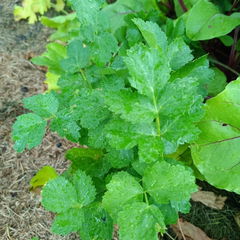
Toothpick-Plant forms upright, branched stems with finely divided, light‑green leaves. The white flowers appear in flat umbels 8–12 cm across. It reaches 80–120 cm in height and is pollinated by a wide range of insects.

Plant details:

  • Height: 80–120 cm

  • Form: Upright, strongly branched

  • Leaves: Finely divided, aromatic

  • Flowers: White, flat umbels 8–12 cm across

  • Flavor: Spicy‑aromatic, slightly bitter


 Usage & Cultivation Highlights

Toothpick-Plant is used for teas, infusions, tinctures, and traditional medicinal preparations. The seeds contain furanocoumarins such as khellin and visnagin, known for their antispasmodic, vasodilatory, and bronchodilating properties. It is taken internally for respiratory, cardiac, and urinary complaints, and applied externally to promote circulation. As a cut flower, it offers finely textured umbels and excellent vase life. Its spicy aroma enriches herbal blends, and the dried umbel stalks have traditionally been used as natural toothpicks.

Toothpick-Plant grows reliably both in open ground and in containers. The plant prefers sunny, well‑drained, and rather lean soils, and thrives in heat and drought. This annual, freely self‑seeding species is very low‑maintenance, requires little water, and flowers over many weeks. It attracts numerous beneficial insects and is ideal for naturalistic, low‑maintenance gardens. Thanks to its deep taproot, it is particularly sturdy and wind‑tolerant. The long flowering period provides continuous forage for pollinators, and the dried umbels remain decorative into winter. Its high heat tolerance and low susceptibility to disease make it a dependable choice for dry summers and challenging sites.

Compared with other umbellifers, Toothpick-Plant stands out as a well‑known traditional medicinal plant with notable therapeutic value – ideal for those who appreciate easy‑to‑grow annual herbs with delicate blooms for insects and cut‑flower use.

Cultivation_Overview_-_Anbau_im_Uberblick_-_Visao_geral_do_cultivo_-_www

Origin & Cultivation at a Glance

First mention:

1550 BC

Origin:

Southern Europe, Western Asia, and North Africa

Breeder:

Wild form – taken into cultivation unchanged

Propagation site:

Lower Saxony – Germany

Suitable for:

Open field, Raised bed, Balcony / pot, Urban gardening, Rock garden

Care requirements:

Low – easy to care for, ideal for beginners.

Overwintering:

Not winter-hardy – can be cultivated outdoors as an annual.

Special features:

Resilient, Low-maintenance, Sun-loving / sunny, Heat-tolerant, Drought-tolerant
Plant_Growing_Instructions_-_Pflanzen_Anbau-Anleitung_-_Instrucoes_de_cultivo_de_plantas_-_www

Cultivation guide for

Bischofskraut - Zahnstocher-Ammei

Growing difficulty:

Easy
In subtropical climates, sow from March to May in sun or partial shade – pre‑cultivation not recommended.
In temperate regions, direct sowing from April to May after the last frost in full sun – pre‑cultivation not recommended.
Sow in well‑drained, sandy‑stony to moderately nutrient‑rich soil. Light‑dependent germinator – do not cover with soil. Spacing: 30 × 40 cm.

Cultivation tips:

Direct sowing is recommended – young plants grow stable and vigorous.
Thin out early so the plants have enough space.
Good air circulation protects against aphids and fungal diseases.
Don't apply fresh organic fertilizer, as it can lead to forked and deformed roots.
Ideal for prairie plantings and dry gardens; can be combined with Mediterranean herbs.

Storage instructions:

Store seeds in a cool, dry, dark, and airtight environment to maximize shelf life and germination.
Detailed information on seed storage
Plant_Profile_-_Pflanzen_Steckbrief_-_Ficha_da_planta_-_www

Plant Profile

Plant details

Botanical name:

<tc>Ammi visnaga (L.) Lam.</tc>

Botanical family:

Apiaceae

Plant type:

Medicinal plant

Life cycle:

Annual

Cultivation period:

5-7 months

Growth habit:

Upright growth, Herbaceous

Plant width:

40 cm

Plant height:

120 cm

Root type:

Taprooted

Hardy to:

Tolerates 3 °C briefly, but not frost-hardy.

Cultural meaning:

Historical, Traditional

Suitability for cultivation and use:

Summer crop, Peak season, Biodiversity, Variety conservation, Educational projects / School garden, Ornamental variety

Propagation method:

Generative propagation by seed, Self-seeding

Propagation:

The plant is cross‑pollinating via insect pollination and belongs to the species Ammi visnaga.
For seed production, a minimum isolation distance of 500 m from other varieties of the same species is recommended to prevent cross-pollination.
The plant is annual – after flowering it produces small, branched inflorescences with numerous, small, well‑ripening seeds.
The seeds are ready for harvest once the seed heads have completely dried and become straw‑like and brittle.

Sowing & Planting

Germination type:

Light germinator, Temperate germinator

Sowing depth:

0-0,5 cm

Germination temperature:

15-20 °C

Germination time:

10-20 days

Pot culture:

Requires a minimum container size of 10-15 liters.

Row spacing for baby leaf:

Not suitable for baby-leaf cultivation.

Plant spacing:

30 cm

Row spacing:

40 cm

Pricking out / thinning out:

No thinning required – direct sowing recommended.

Planting time:

Transplanting not required - direct sowing is recommended.

Soil

Soil type:

Well‑drained, sandy‑stony, low‑nutrient loam soil

Soil pH:

6.0-7.5 – slightly acidic to alkaline

Nutrient requirements:

Light feeder

Soil moisture:

Drought-tolerant, Adaptable, Sensitive to waterlogging

Soil preparation:

Loosen soil before sowing, Prepare soil weed-free and with a fine crumb structure., Low-nutrient soil recommended, Apply lime to acidic soil.

Companion planting, Crop rotation & Harvest

Companion plants:

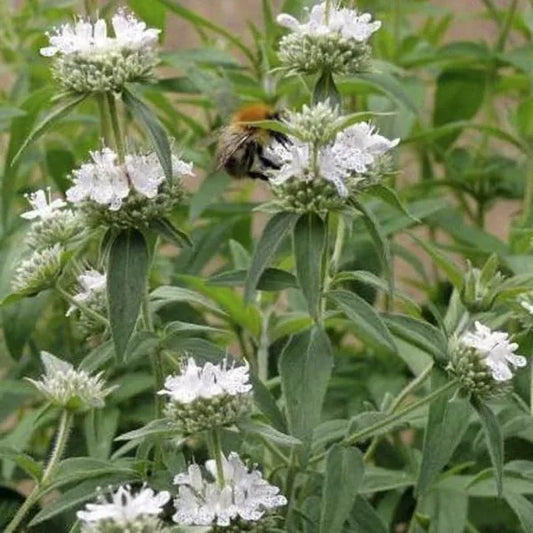
Coneflower, Yarrow, Lavender, Sage, Gaura / wandflower, Russian sage, Anise hyssop, Thyme species, Oregano

Incompatible plants:

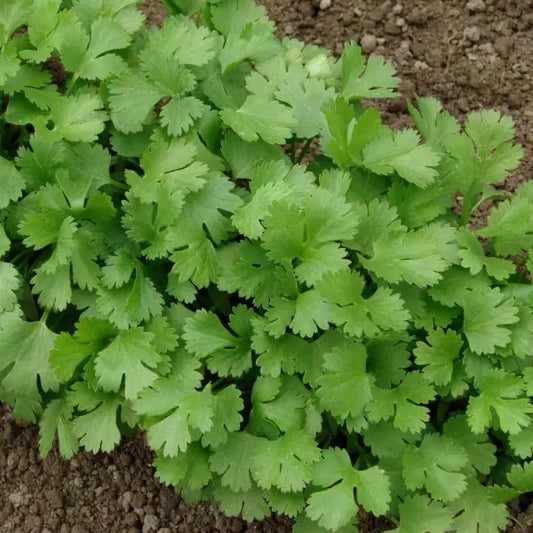
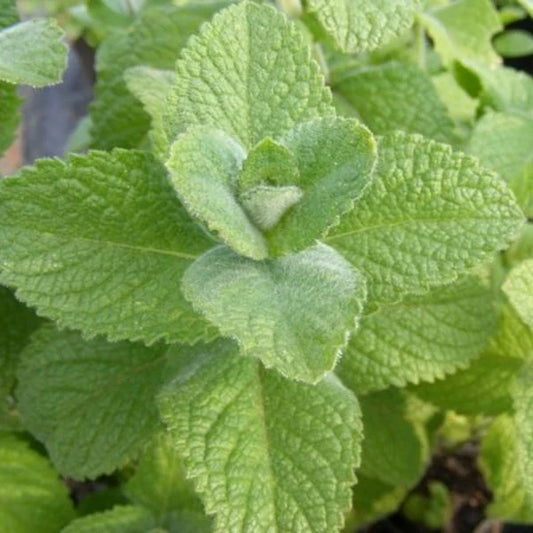
Celery, Brassicas, Tomato, Cucurbits, Potato, Corn, Moisture‑loving plants, Sunflower, Tall perennials, Bushy shrubs / hedge plants, Basil, Coriander, Dill, Mint, Ground elder, Blackberries

Crop rotation guidelines:

Don't plant after other umbellifers – a minimum interval of 3 years is recommended.
Repeated cultivation at the same site increases disease pressure, leads to nutrient depletion, and impairs soil structure.

Harvest time:

Spring, Summer

Sowing to harvest:

3-5 months

Harvested parts:

Inflorescences, Young shoots

Suitable for consumption:

No - for external use only.

Intended use:

Pollinator plant, Fragrant plant, Natural garden, Wild perennial, Companion perennial, Drying / Dehydrating, Decoration

Care & Cultivation practices

Water requirements:

Low to moderate

Plant care techniques:

Thin out after germination when sown directly, Irrigate occasionally, Loosen and hoe, Maintain weed-free, Inspect regularly for pest infestation

Plant protection:

Well-ventilated location and good drainage recommended., Check early for aphids.

Cultivation notes:

Proven and easy to cultivate May develop mildew in damp weather – an airy location is recommended. Can be infested by aphids - occasional monitoring recommended. Sensitive to waterlogging – use well-drained soil.

Other names

EN - English names:

Toothpick PlantToothpick WeedKhellaBishop’s WeedVisnaga

DE - German names:

BischofskrautZahnstocher‑AmmeiZahnstocherkrautKhellaAmmeiVisnaga

PT - Portuguese names:

BisnagaÂmio‑bisnagaBisnaga‑das‑searasPaliteira

ES - Spanish names:

Ammi visnagaHierba de los dientesKhella

FR - French names:

Ammi visnagaHerbe aux cure‑dentsKhella
Practical_Planting_and_Care_Tips_-_Praktische_Aussaat-_und_Pflegetipps_-_Dicas_praticas_de_sementeira_e_cuidados_-_www

Practical sowing and care tips

Saattiefe - Bedingt Keimverhalten und Gesundheit

Sowing depth - Determines germination and health

Germination rate too low or plants bending over? Decisive factors for sowing depth. In this article from my gardening handbook,...
Read more here
Aussaat-Arten - Direktsaat und Vorkultivierung

Sowing methods - direct sowing and pre-cultivation

How do I sow seeds: direct sowing or pre-cultivation? In this article, we'll explain the background of both methods, along...
Read more here
Keimarten und Umgebungsfaktoren - Wie Samen keimen

Germination types and environmental factors - How seeds germinate

Which germination types are relevant, and what should you consider when germinating seeds? In this article, we've compiled a simple,...
Read more here
Mulch - Wasser sparen und Wachstum fördern

Mulching - save water and promote growth

Nature as a model - mulching has numerous advantages that benefit the health of soil life and plants. In this...
Read more here

Customer Reviews

Be the first to write a review
0%
(0)
0%
(0)
0%
(0)
0%
(0)
0%
(0)

Further recommendations for you

100% open-pollinated & reproducible