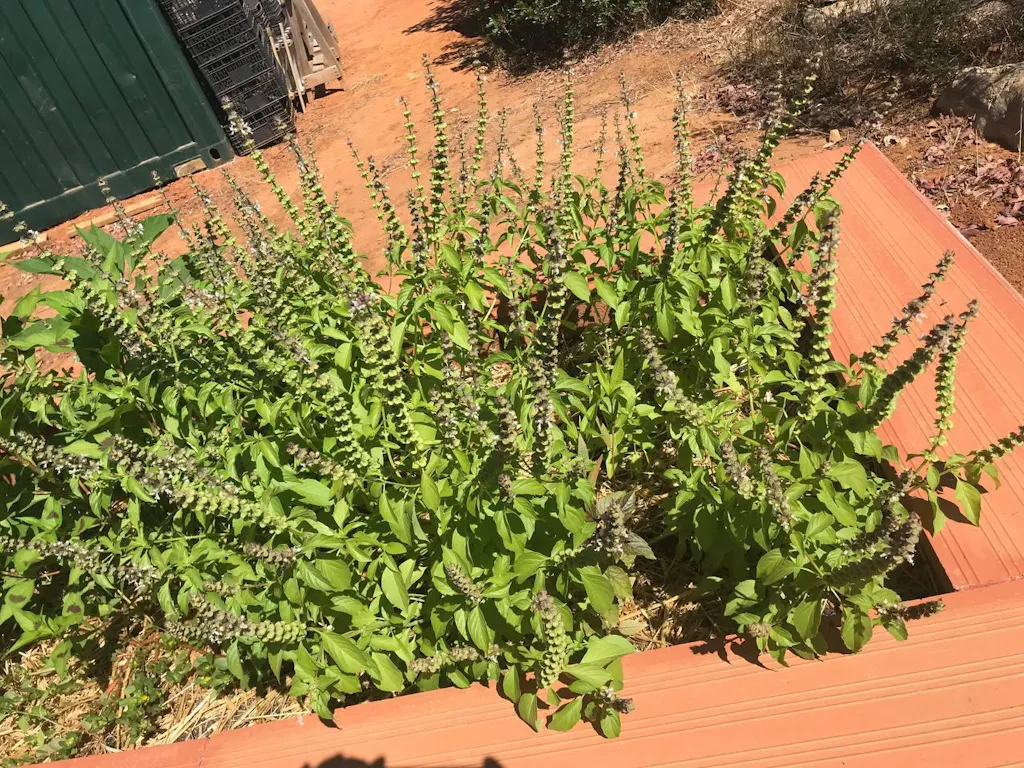
'Hangdown Grünkernig' broad bean – historic, traditional and high‑yielding variety with long, pendulous pods and mildly nutty seeds.
Annual, winter‑hardy legume with white flowers and 2–3 cm large, mildly nutty, tender seeds. The plants produce numerous long, downward‑hanging pods with 4–5 green beans, grow upright‑bushy up to 120 cm tall, are sturdy and ideal for sunny to semi‑shaded locations. They thrive reliably in open ground and raised beds with stable yields. The variety is robust, low‑maintenance and open‑pollinated – perfect for self‑sufficiency, companion planting and ecological cultivation.
 Origin & History
‘Hangdown Grünkernig’ belongs to the historically traditional Hangdown types that have been cultivated in Great Britain since the 19th century and later in German‑speaking regions. The variety is a green‑seeded sub‑line of the classic Hangdown group, first documented in European seed catalogues in the 1890s. Botanically, it belongs to the family Fabaceae, subfamily Faboideae, genus Vicia.
Its first known mention dates to 1893, when it was described in the British work “Illustrated Descriptive Catalogue of Garden and Field Seeds” as a “Hangdown green‑seeded broad bean with long drooping pods”. Since then, it has been cultivated in home gardens and small‑scale farming systems as a reliable, robust and adaptable variety, establishing itself as a proven broad bean for a wide range of soil conditions.
The variety is open‑pollinated and shaped by regional selection. Its historical significance lies in its role as a dependable, high‑yielding home‑garden bean with pronounced cold tolerance and excellent suitability both as a fresh bean and as a dry bean. In traditional cuisine, it is valued for nourishing stews, purées and hearty dishes, where its mildly nutty seeds serve as a valuable source of plant protein and contribute to a balanced, plant‑based diet.
 Appearance & Characteristics
‘Hangdown Grünkernig’ is annual and herbaceous, forming upright, bushy plants with sturdy stems and green foliage. The stable plants reach 90–120 cm in height and develop white flowers from which long, green, characteristically pendulous pods form. Each pod contains 4–5 large green seeds measuring 2–3 cm. The variety is robust and winter‑hardy down to around –12 °C.
Plant details:
Height: Medium, 90–120 cm
Form: Upright, bushy, herbaceous
Leaves: Medium green, pinnate
Flowers: White
- Pods: Green, long and pendulous, with 4–5 large green seeds
 Usage & Cultivation Highlights
‘Hangdown Grünkernig’ is excellent for cooking, steaming, frying, puréeing, pickling, drying and freezing. Young seeds are tender and mildly nutty, ideal for Mediterranean dishes, purées, bowls, stews and vegetable pans. Mature beans can be dried and used for winter dishes, soups, casseroles and savoury patties. The variety is also a valuable pollinator plant, as its early flowers provide abundant nectar for bees and bumblebees. In addition, the young seeds are perfect for risottos, pasta dishes, creamy bean dips, oriental mezze, spreads and aromatic bean creams. Cooked seeds can be turned into fine veggie burgers, dumpling fillings, savoury spreads and protein‑rich purées. Dried beans enrich curries, hearty ragouts, traditional Mediterranean bean dishes and nourishing winter stews. The variety is also ideal for long‑term storage, as it keeps well both blanched and fully dried.
In cultivation, ‘Hangdown Grünkernig’ is extremely reliable: it prefers sunny to semi‑shaded locations, is frost‑hardy, robust and tolerant of variable spring conditions. As a legume, it fixes nitrogen and improves soil fertility. Its strong taproot bridges dry periods, and the plants remain stable despite their long pods. It thrives in humus‑rich as well as heavier soils, shows good competitiveness against weeds and is ideal for self‑sufficiency, companion planting and ecological cultivation. The variety also convinces with its early development and dependable yields even in cooler regions.
Compared to other broad beans, ‘Hangdown Grünkernig’ stands out with its pendulous pods, mildly nutty seeds, strong yield reliability and historical significance – an ideal variety for family gardens, natural gardens, self‑sufficiency and lovers of traditional, open‑pollinated varieties.