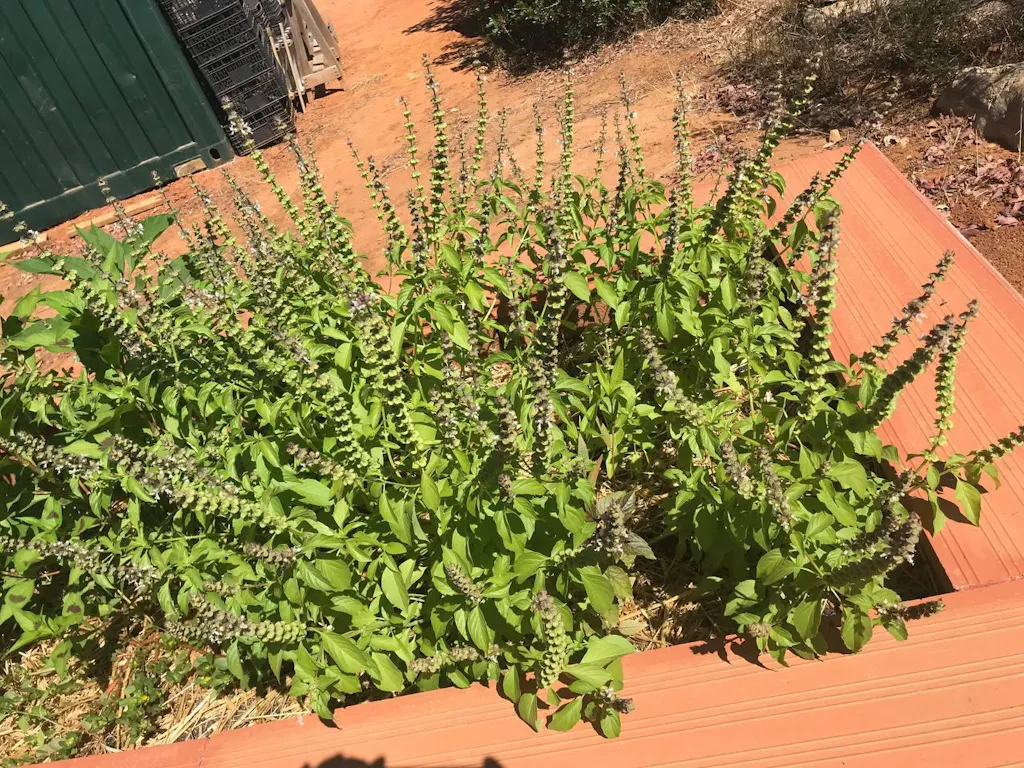
Hyssop – an aromatic, blue‑flowering culinary herb with an intense scent and strong attractiveness to beneficial insects.
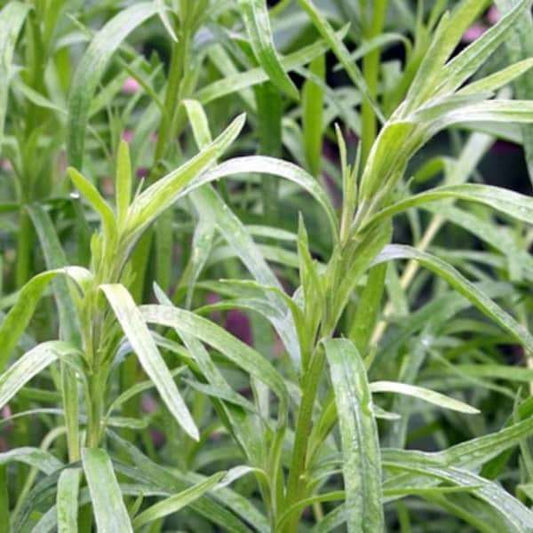
A perennial, robust herbaceous plant with dark‑green, narrow leaves and an aromatic, spicy‑bitter scent. It grows bushy and upright, is winter hardy and suitable for open ground, rock gardens, herb beds and dry sites. It germinates reliably and forms long‑lived, compact clumps. Ideal for self‑sufficiency, tea, seasoning blends and ecological herb cultivation.
 Origin & History
Hyssop is one of the oldest culinary and medicinal herbs of the Mediterranean and has been cultivated since antiquity. Its original range lies in the sunny, dry regions of southern and eastern Europe and western Asia. Botanically, hyssop belongs to the mint family (Lamiaceae), subfamily Nepetoideae, and the genus Hyssopus.
The earliest written reference dates to the 1st century CE, when Pedanius Dioscorides described hyssop in De materia medica around 60 CE as a warming, expectorant and aromatic medicinal herb. Shortly afterwards, Pliny the Elder mentioned it in Naturalis historia as a digestive and cleansing culinary herb. In Greco‑Roman medicine, hyssop was used for respiratory and digestive complaints, and externally for washes and poultices.
With the rise of monastic culture, hyssop entered Central European apothecary gardens early on. Medieval herbals list it as a strengthening and cleansing herb for teas, bitters, herbal wines and incense. In folk medicine it remained a trusted remedy for colds, bronchial issues and loss of appetite; its aromatic shoots were used in tinctures, salves and rubs. At the same time, hyssop became an important fragrant and ritual plant. Flowering stems were used across Europe in herbal bundles and household charms to cleanse and scent rooms. In the early modern period, its spicy‑bitter aroma shaped bitters, digestive elixirs and herbal wines.
Today, hyssop remains a versatile Mediterranean culinary and medicinal herb with strong cultural significance. Its essential oils, bitter compounds and tannins are valued in cooking, home remedies and herbal craft, while its nectar‑rich flowers play an important role for wild bees and other pollinators.
 Appearance & Characteristics
The plant is perennial, forming upright, bushy stems and becoming woody at the base. The leaves are narrow, dark green and aromatic. The bright blue‑violet lipped flowers appear from midsummer in dense false spikes and attract numerous pollinators. Hyssop develops a strong taproot and is winter hardy to at least −20 °C.
Plant details:
Height: Medium, 40–60 cm
Form: Upright, bushy, clump‑forming
Leaves: Narrow, dark green, aromatic
Flowers: Blue‑violet, in spikes
Flavor: Spicy‑herbaceous, slightly bitter, intensely aromatic
 Usage & Cultivation Highlights
Hyssop is ideal for seasoning meat dishes, stews, herb butter, Mediterranean cooking and bitter preparations. The leaves and flowers are used fresh or dried for tea, herb salts, liqueurs, vinegars and oils. In traditional herbal practice, hyssop is regarded as a classic bitter and aromatic herb. The edible flowers serve as decorative elements in salads and herb dishes. Hyssop also refines herbal vinegars, digestive bitters, cough syrups and herbal wines, flavours honey and suits fillings, vegetable pans and savoury baked goods. Dried shoots are used for scented sachets, herbal bundles and incense, while its essential‑oil‑rich leaves are used in tinctures, salves and rubs.
In the garden, hyssop is a valuable structural and beneficial‑insect plant. Its flowers strongly attract wild bees, bumblebees and hoverflies, supporting ecological balance. Thanks to its robustness, hyssop thrives even in poor, dry soils, regenerates well after cutting and can be harvested several times. It tolerates heat, drought and full sun, making it excellent for naturalistic gardens, prairie plantings, herb spirals and rock gardens. It remains upright for many years, becomes reliably woody at the base, is slug‑resistant and winter hardy, forms compact, long‑lived clumps and shows stable vitality even in windy, nutrient‑poor sites. Its dense, aromatic foliage naturally deters pests, while the long flowering period provides pollinators with forage for weeks. Hyssop also remains well‑shaped and easy to care for in pots, making it ideal for sunny terraces and balconies.
Compared with other Mediterranean herbs, hyssop is particularly aromatic and versatile – ideal for anyone seeking a low‑maintenance, perennial culinary herb with strong beneficial‑insect value and deep traditional significance.