

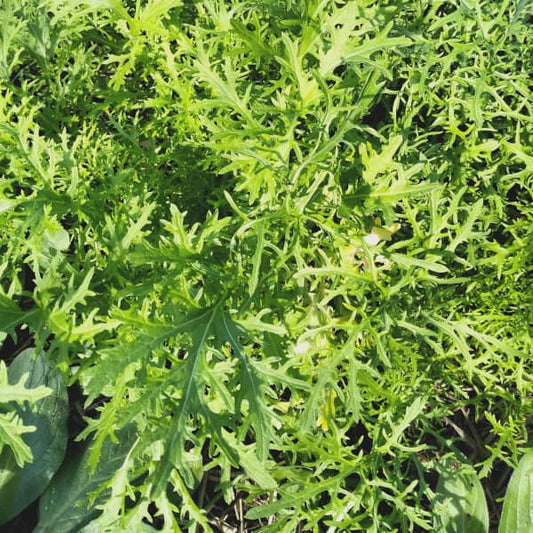
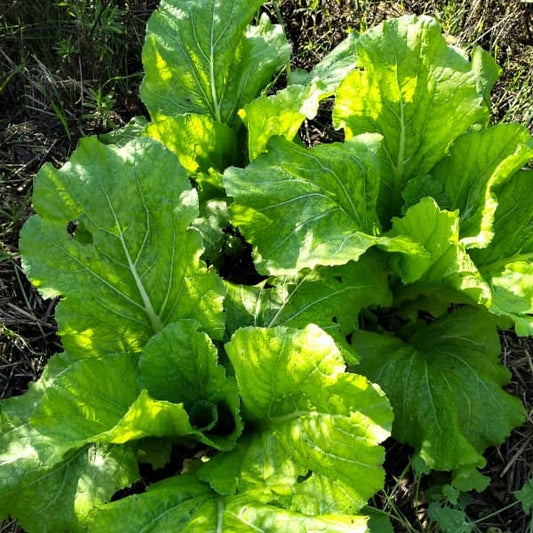


Richtig tolle Auswahl an samenfestem Saatgut und alten Sorten. Man merkt sofort, dass hier viel Wissen und Leidenschaft dahintersteckt. Besonders spannend finde ich auch die Setzlinge vor Ort, super Qualität und perfekt für alle, die direkt loslegen wollen. Klare Empfehlung für alle, die Wert auf nachhaltigen Anbau und besondere Sorten legen.
Benji has an incredible selection of open pollinated, organic seeds, both perennial and annual. We have bought from him numerous times and if we want a special, rare or medicinal herb, will always look to Benji's first and he doesn't disappoint. Fast secure payment and delivery too as an added bonus!
Hallo lieber Benji 😊 Ich hoffe es geht Dir gut! Wollte Dir nur kurz schreiben, dass der Zitronen-Basilikum von Dir ganz toll ist 😍 Wünsche Dir ein schönes Wochenende 🌺
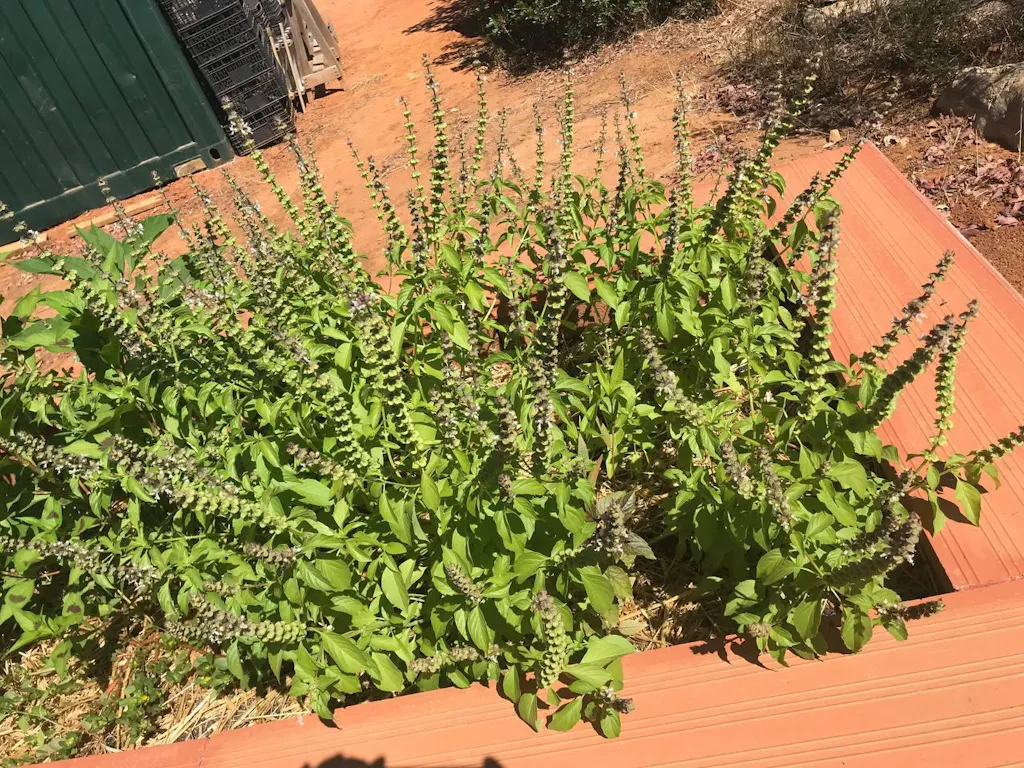
Selbst Ich, als Jemand der sich nie für Garten oder Selbstversorgung ausgekannt. Da fand ich Benjis.net und bin überrascht wie gut die Produkte und die Infos von Benjis wirklich sind. So das Ich erfolgreich mich dafür begeistern konnte meine Lebensmittel selbst anzupflanzen. Es ist zuverlässig qualitativ Hochwertig sowie das Fachwissen sowie der Service ist erste Klasse ! -
I’m very happy with all the seeds I’ve purchased at Benji’s. They all worked out very well and have grown into healthy and productive plants. I definitely will buy here again and highly recommend this shop!