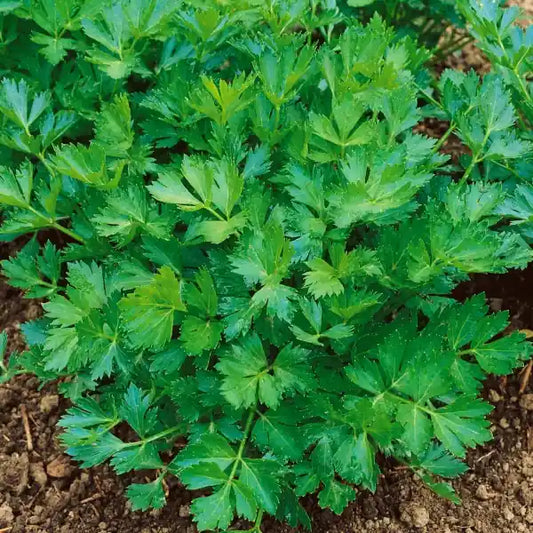
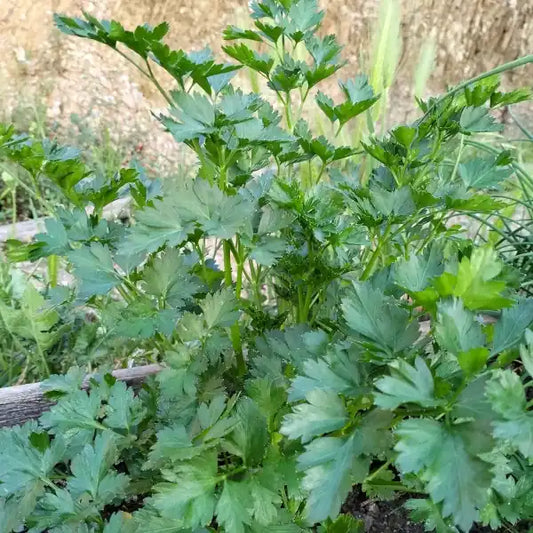
Greek Oregano – mediterranean rarity with intense aroma.
A traditional, perennial culinary and medicinal herb with a strong, spicy flavour, an intense aroma and a high content of essential oils. It grows robustly and is ideal for outdoor beds, greenhouses or container cultivation. Hardy, drought‑tolerant and perfectly suited for self‑sufficiency and organic gardening.
 Origin & History
Greek oregano grows wild mainly in Greece, but also in Cyprus, North Macedonia and Turkey, and is one of the classic Mediterranean culinary herbs with international importance. The name “oregano” comes from the Greek words “oros” (mountain) and “ganos” (joy) – meaning “joy of the mountain”. In ancient times it was valued by Greeks and Romans as both a medicinal and culinary herb, and it was also considered a symbol of happiness and joy, traditionally used at weddings.
Greek oregano has long been appreciated for its particularly intense aroma and its high content of carvacrol, an essential oil known for its digestive, antibacterial and mood‑lifting properties. This clearly distinguishes it from other oregano species and makes it the most aromatic form. Today it remains the globally recognised classic seasoning for pizza and Mediterranean sauces and is regarded as an important cultural plant in international organic gardening.
 Appearance & Characteristics
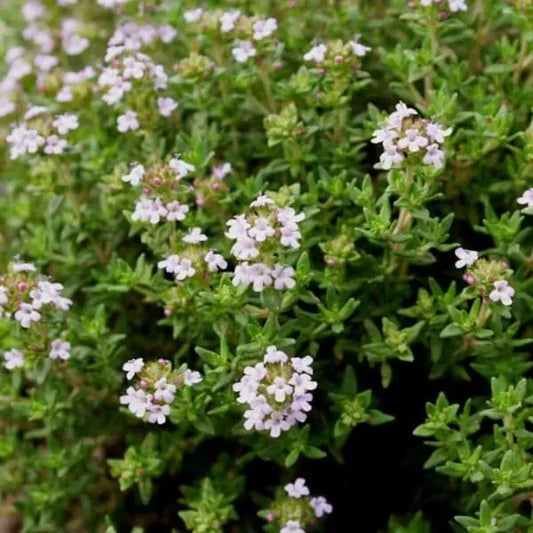
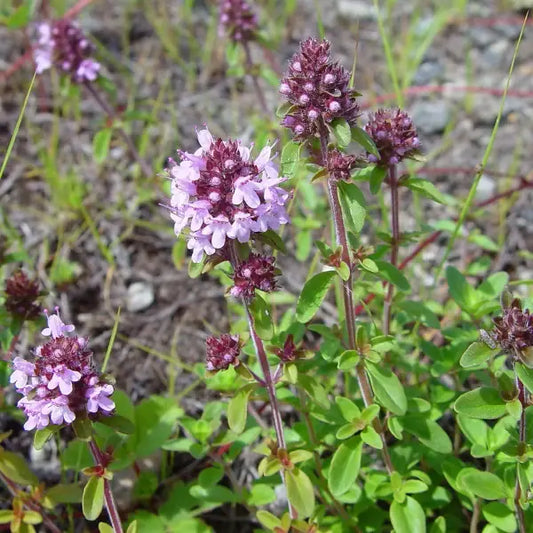
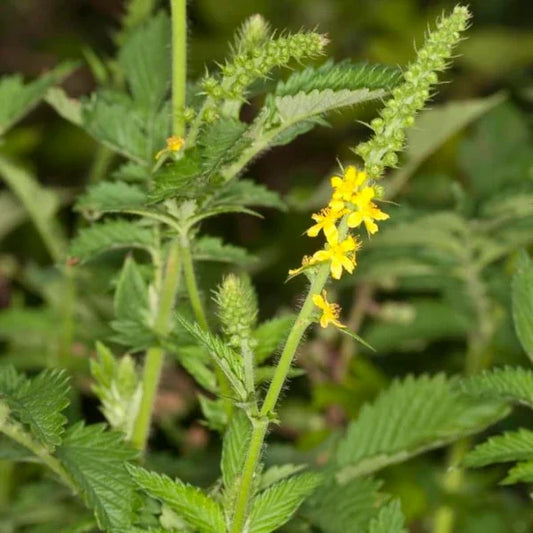
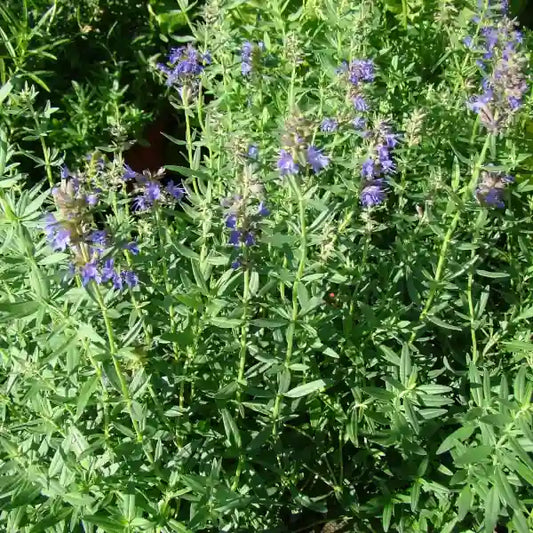
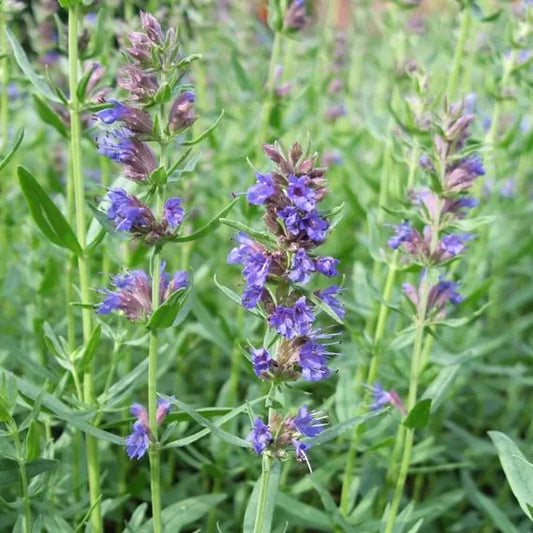
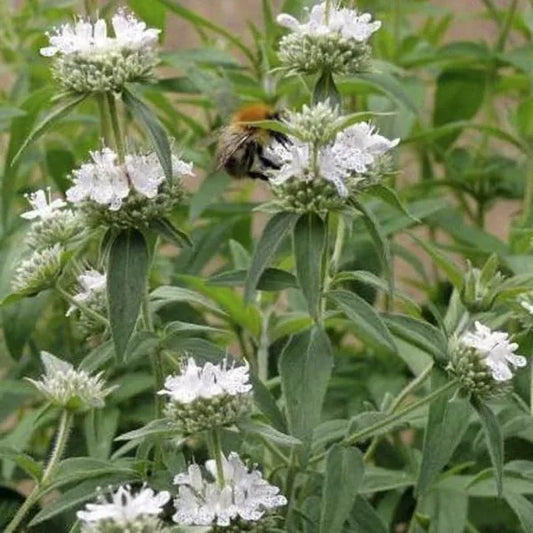
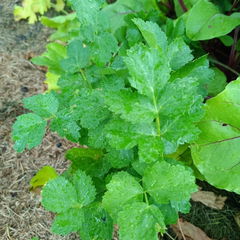
The plant is perennial and forms compact bushes with small, aromatic leaves and white flowers that attract many insects. Its shallow root system makes it ideal for pot cultivation and rooftop greening.
Plant details:
Height: Compact, approx. 30-70 cm
Form: Bushy, branched
Leaves: Small, oval, dark green with fine hairs
Flowers: White, arranged in panicles
Flavor: Strongly spicy, intensely aromatic - retains aroma even when heated
 Usage & Cultivation Highlights
Greek Oregano is ideal for pizza, pasta sauces, Mediterranean dishes, herb oils, and teas. Its intense essential oils make it particularly versatile – both as a spice and as a medicinal plant for inflammation and digestive complaints. Perfect for herb gardens – the flowers are a valuable source of nectar for bees.
The variety grows reliably in open ground, greenhouses, and pots. It prefers sunny locations, well-drained soils, and tolerates drought well. Hardy and cold-resistant, it requires only minimal watering. Plants should be replanted every 4–5 years, as the content of active substances decreases over time. Resistant to slugs and ideal for rock gardens.
Compared to other oregano varieties, Greek Oregano is especially aromatic and versatile – perfect for gardeners who appreciate robust, perennial herbs with Mediterranean character.