Meadowsweet – traditional aromatic medicinal and fragrance plant with a sweet‑spicy honey‑almond scent.
Perennial wild herb with a characteristic sweet, almond‑like aroma and a natural content of phenolic compounds, including salicylates. It grows robustly, is very hardy and is suitable for open ground, wet habitats and naturalistic gardens. It germinates reliably after a cold period and forms long‑lived, persistent clumps. Ideal for self‑sufficiency, wildlife gardens and ecological medicinal‑herb cultivation.
 Origin & History
Meadowsweet has been valued as a medicinal and aromatic plant for centuries. Its natural range extends across Europe, Western Asia and parts of Siberia. The name “meadowsweet” derives from the Middle High German met for honey wine and refers to the traditional use of the flowers to flavour mead. Botanically, the species belongs to the rose family (Rosaceae), the subfamily Rosoideae and the genus Filipendula.
Meadowsweet was already known in antiquity and was collected and cultivated in various regions of Europe. Archaeobotanical finds from Bronze Age and Iron Age settlements attest to its use in ritual contexts. Celtic and Germanic cultures revered the plant as a sacred herb and used it both ceremonially and medicinally. In the Middle Ages, Meadowsweet served as a fragrant strewing herb in living spaces and banquet halls, as its dried flowers release an intense honey‑almond scent. Herbals of the Renaissance and early modern period describe it as a remedy for fever, pain and digestive complaints.
In the 19th century, salicylic acid was first isolated from its flowers – a milestone that later led to the development of acetylsalicylic acid and gave the plant international scientific significance. Over the centuries, Meadowsweet spread far beyond its original range and became naturalised throughout Europe and parts of North America. It secured a firm place in wet meadows, monastic gardens and traditional cottage gardens and is still regarded as one of Europe’s most important historical medicinal and aromatic plants – a symbolic species of moist meadow landscapes and a lasting element of European herbal culture.
 Appearance & Characteristics
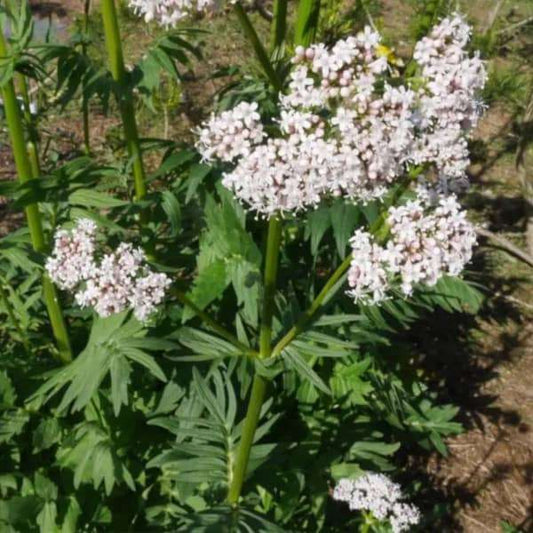
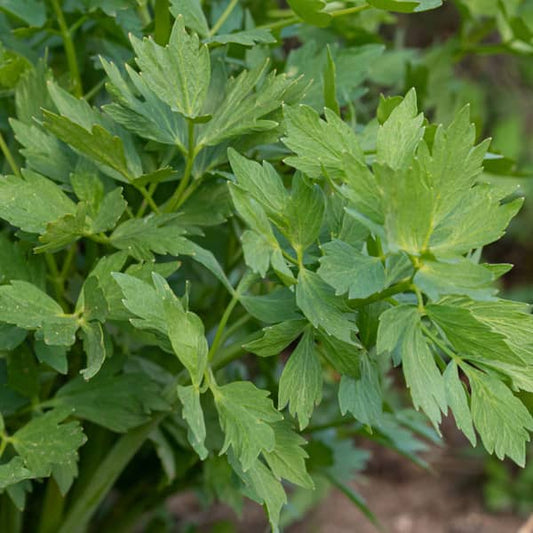
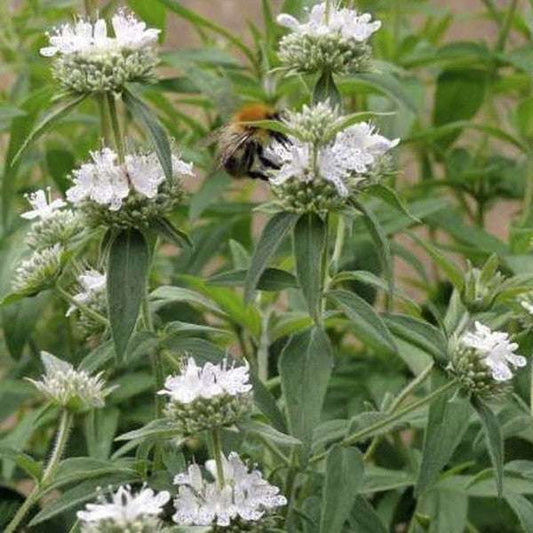
The plant is perennial and herbaceous, producing upright, branched stems with imparipinnate leaves that are dark green above and lighter to slightly downy beneath. The numerous cream‑white flowers appear from June to August in loose, paniculate inflorescences and are highly attractive to pollinators. It forms a short, sturdy rhizome from which dense clumps arise. The species is hardy to around −30 °C and, once established, reliably withstands prolonged periods of frost.
Plant details:
Height: Tall, 100–180 cm
Form: Upright, bushy, loosely branched
Leaves: Pinnate, dark green, paler beneath
Flowers: Cream‑white, in loose panicles
Flavor: Sweet‑spicy, almond‑like, aromatic
 Usage & Cultivation Highlights
Meadowsweet is ideal for teas, refreshing drinks, syrups, desserts, fragrance blends and natural cosmetics. Its aromatic flowers contain essential oils and salicylates, traditionally used in herbal medicine. Externally, it is applied in folk medicine to soothe irritated skin. It refines jams, lemonades and light summer dishes and is a valuable fragrance plant. Meadowsweet has long been used to flavour mead, liqueurs and herbal wines, and is suitable for flower sugar, flower vinegar and syrup bases, as well as for use in scented sachets, potpourris and incense blends. The dried flowers retain their sweet, almond‑like aroma and can be used in many ways in the kitchen, herbal crafts and natural fragrance applications.
Meadowsweet grows reliably in open ground, along pond edges and in wet habitats. The plant is easy to care for, hardy and can be harvested over many years. Its flowers attract numerous beneficial insects such as bees, bumblebees and butterflies, supporting ecological balance in the garden. It grows strongly in moist to wet soils, regenerates well after pruning and forms long‑lived clumps. It prefers sunny to semi‑shaded sites and shows good tolerance to changing weather conditions. Meadowsweet also impresses with its high soil adaptability in humus‑rich, permanently moist substrates, its pronounced robustness against waterlogging and its ability to flower reliably even in cooler summers. The plant stabilises damp banks, contributes to biodiversity in naturalistic gardens and remains vigorous and productive for many years thanks to its strong rootstock.
Compared with other wild perennials, Meadowsweet is the classic traditional medicinal and aromatic plant with particularly fragrant flowers – ideal for anyone seeking robust, long‑lived herbs with high value for insects and wetland habitats.