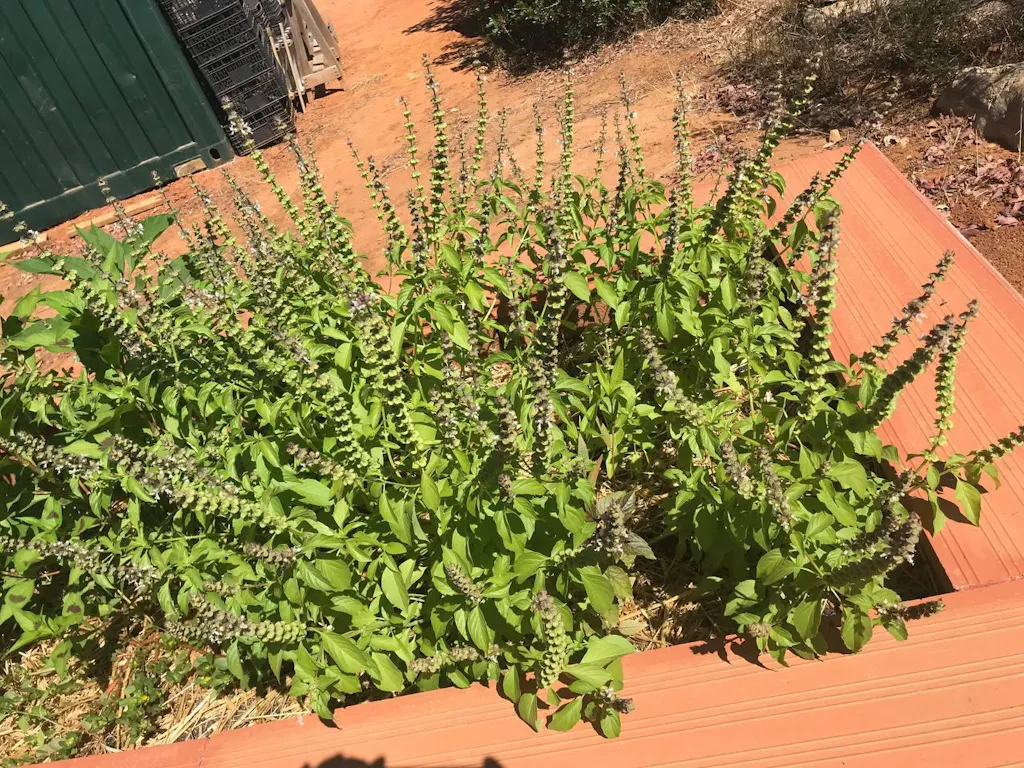
Black cumin – ancient spice and medicinal herb with oil‑rich seeds.
Annual spice and medicinal plant with a warm‑spicy, nutty and slightly peppery‑resinous aroma. The seeds contain aromatic oils such as thymoquinone and nigellone and have been valued in cooking and traditional herbalism for thousands of years. It grows robustly, prefers sunny, dry locations and is ideal for open ground, natural gardens and dry herb beds. Black cumin germinates reliably, is easy to care for and readily self‑seeds. Excellent for self‑sufficiency, spice gardens and ecological herb cultivation.
 Origin & History
Black cumin originates from the eastern Mediterranean to Western Asia, with centres in the Levant, the Iranian Highlands and northern Mesopotamia. Its use goes back more than 7,000 years. Botanically it belongs to the buttercup family (Ranunculaceae), within the subfamily Ranunculoideae and the genus Nigella.
Archaeological finds from the tomb of Tutankhamun (14th century BC) confirm its importance in ancient Egypt. An early written reference appears in the Book of Isaiah (8th–7th century BC), where black cumin is described as a cultivated crop. In Greco‑Roman antiquity it is mentioned by Dioscorides in De materia medica and by Hippocrates as a medicinal and culinary plant. In Arabic medicine it was known as the “seed of blessing” and was described by Ibn Sina in the Canon of Medicine as a versatile remedy.
Over the millennia, black cumin developed a firm place in the cuisines and healing traditions of the Near East, North Africa, Anatolia and South Asia. The seeds were used in breads, curries, oils and medicinal preparations and played an important role in traditional health practices, especially for digestive issues, respiratory problems and strengthening the immune system. In Persian and Indian medicine, black cumin has been an established remedy since antiquity, valued for its warming, harmonising and regulating properties.
Black cumin is not related to cumin or caraway, although its seeds are used in similar ways. The plant forms dry capsule fruits with numerous small, oil‑rich seeds that have been cultivated for thousands of years as a spice, remedy and oilseed and remain an essential part of traditional cuisines and naturopathic applications today.
 Appearance & Characteristics
Annual, herbaceous plant with fine, needle‑like, light green leaves. The 30–60 cm tall stems carry delicate, star‑shaped flowers in white to pale blue that attract numerous pollinators. After flowering, decorative, balloon‑like capsule fruits develop, containing many small black seeds. True black cumin is heat‑ and drought‑tolerant, sturdy and can maintain itself through self‑seeding in suitable locations. Grown as an annual, not winter hardy.
Plant details:
Height: Small to medium, 30–60 cm
Form: Finely divided, upright and branched
Leaves: Delicate, needle‑like, light green
Flowers: White to pale blue, star‑shaped
Flavor: Aromatic‑spicy, nutty‑peppery, slightly resinous
 Usage & Cultivation Highlights
Black cumin is ideal for seasoning bread, flatbreads, curries, vegetable dishes, legumes, chutneys and oriental cuisine, giving them a warm‑spicy, nutty‑peppery aroma. The seeds contain aromatic oils with digestive, warming and harmonising properties and have been used in traditional herbal medicine to support the immune system, digestion and the respiratory tract. They are suitable for teas, oil infusions, tinctures, spice blends and aromatic oils, as well as for flavouring cheese, yoghurt sauces, lentil dishes and pickled vegetables. In Ayurvedic and Persian cooking, the seeds are briefly roasted in hot oil to release their essential oils and add depth and warmth to dishes. The oil extracted from the seeds is used in rubs, herbal oils and soothing blends for skin and the respiratory system and is valued in natural cosmetics for its aromatic and calming qualities. The decorative seed capsules are suitable for natural bouquets and dried arrangements, while the open flowers provide valuable nectar for pollinators and enrich natural gardens ecologically.
Black cumin grows reliably outdoors and prefers sunny, well‑drained and rather nutrient‑poor soils, where it remains vigorous even during dry periods. This annual, low‑maintenance and sturdy plant produces numerous flowers and aromatic seeds in summer and attracts many beneficial insects with its open blooms. Thanks to its self‑seeding habit, it reappears each year in suitable locations and is ideal for naturalistic, low‑maintenance herb and spice gardens. Its strong taproot improves soil structure and makes it particularly heat‑resistant. Black cumin germinates reliably, remains stable in growth even during changeable spring weather, is little susceptible to fungal diseases and produces good yields even on poor, sandy or stony soils. Its long flowering period supports pollinators over an extended time and enriches ecologically managed gardens.
Compared to other spice plants, true black cumin is one of the oldest cultivated and medicinal plants of Western Asia – ideal for people who appreciate robust, aromatic and versatile plants with high value for cooking, health and natural gardening.