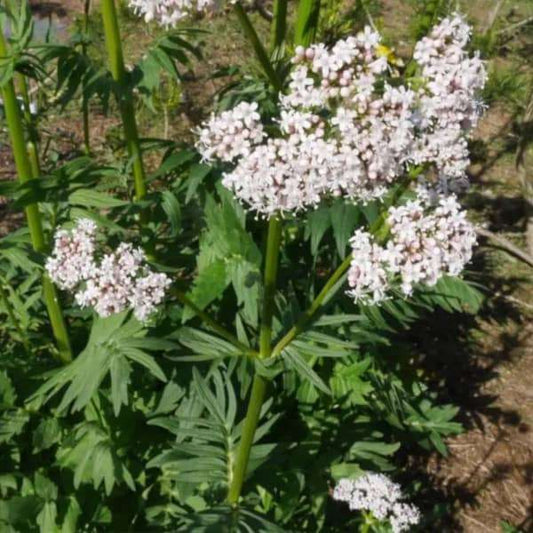
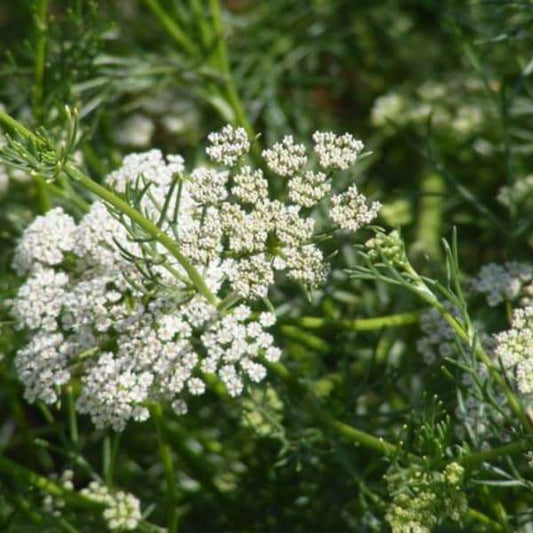
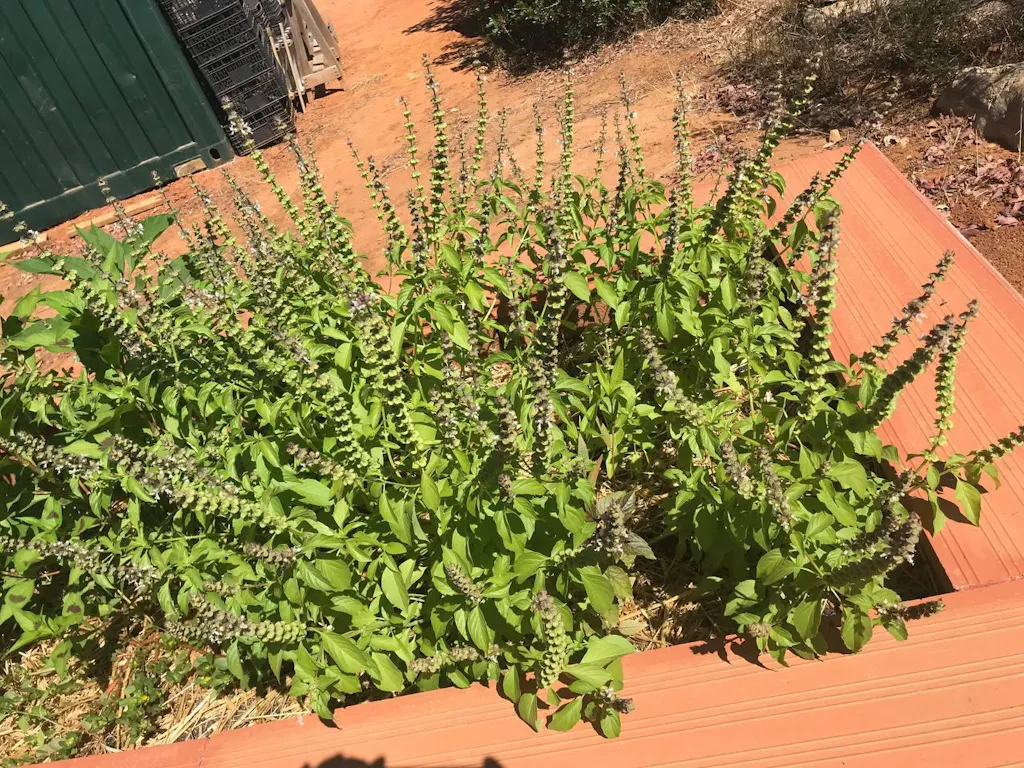
The perennial sugarroot is a very old, hardy and forgotten original root vegetable variety with a very high sugar content. The roots grow to 15 to 20 cm long and taste mealy and sweet. Ideal for direct sowing, pot cultivation possible, sowing in spring, good for mixed culture, harvesting the roots.
Description
The sugarroot is a very old perennial root vegetable and medicinal plant that comes from the Middle East, has been known since the Middle Ages and has now been forgotten. No wild occurrences are known. As a medicinal plant, it supports the liver and digestion and has an aphrodisiac effect. The roots of the beloved vegetable become woody easily and develop a very high sugar content, which is significantly higher than that of carrots and parsnips. The roots are cylindrical to tapered, between 15 and 20 cm long and taste mealy and sweet. The hardy plants are fast-growing and can be eaten raw or cooked.
General information
Plant family: Apiaceae
Life cycle: Perennial
Days to harvest: 100 days
Plant height approx.: 150 cm
Root type: Deep rooter
Nutrient requirements: Medium
Water requirements: Medium
Winter hardiness: Up to -25°C
Location: Sunny until semi shady
Soil: Permeable, stone-free, humus-rich loamy soil
pH value: 6.5 to 7.5
Sowing and planting information
Germination type: Light germinator
Sowing depth: 0 cm
Optimal germination temperature: 18-22 °C
Germination time: 21-40 days
Plant and row spacing: 30x30 cm
Germination ability of seeds: 2-3 years
Mixed culture
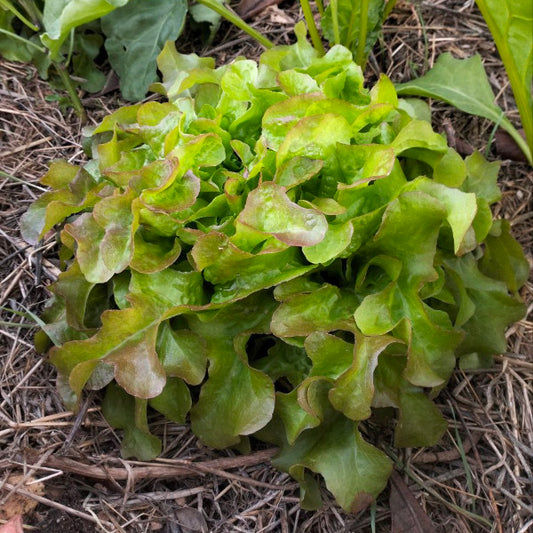
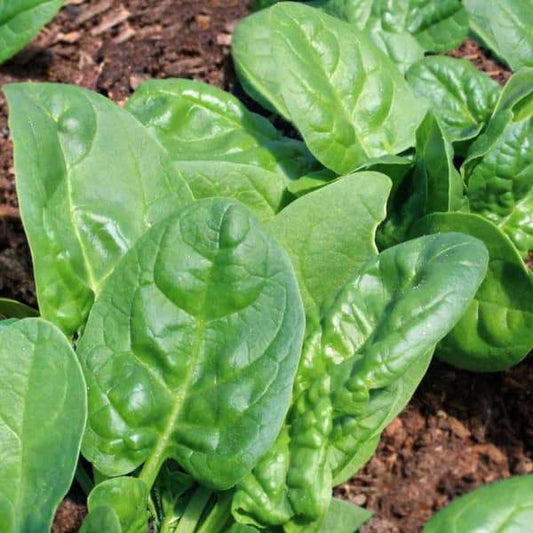
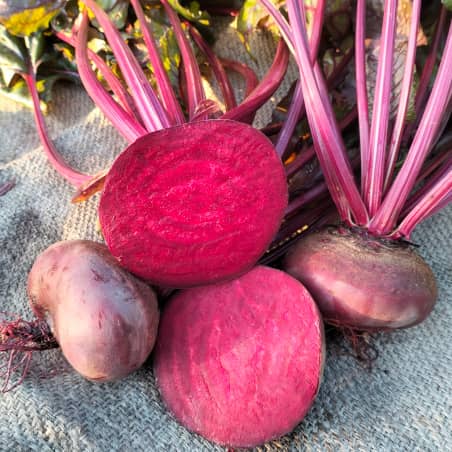
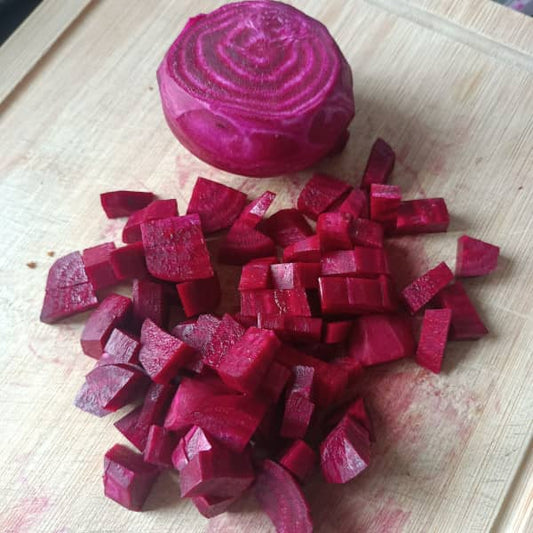
Optimal mixed culture: Lamb's lettuce, Beetroot, Spinach, Chard
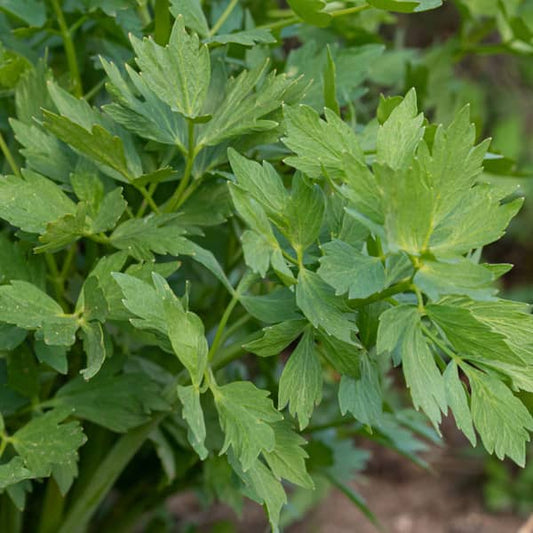
Unfavorable mixed culture: Fennel, Carrot, Parsley, Celery, Parsnip
Sowing by climate zone
Subtropic climate (Mediterranean) (e. g. B. Portugal, Spain, Italy)
We recommend direct sowing or pre-cultivation in pots or seed trays from February to May. The plants are best planted in a sunny to partially shaded location.
Moderate climate (e. g. B. Germany, Switzerland, Poland)
We recommend direct sowing or pre-cultivation in pots or seed trays from March to April. The plants should ideally be placed in a sunny location.
General recommendations
Seeds naturally germinate slowly. We recommend direct sowing in rows or pre-cultivation directly in pots or seed trays. When pre-cultivating, sow around 5 seeds together directly in small pots or seed trays and plant them directly in the prepared bed once the root ball has sufficiently developed.
Chervis Sugarroot prefers a permeable, nutrient-rich, moist and humus-rich loamy soil. Doesn't tolerate waterlogging.
Additional tips
The species can cope with high humidity, but if the soil is too dry the plant forms a fibrous root core. After growing sugar beets, take a four-year break from growing it and other umbelliferous plants. In order to quickly obtain a fine, crumbly and permeable soil with good nutrient and water storage capacity, it is recommended to also incorporate biochar and primary rock flour.
Type of propagation
Propagation occurs via seeds or root division.
Plant care
Since sugar beet germinates and grows very slowly, other plants should be removed regularly. Occasional loosening of the soil leads to good growth results. Regular watering results in faster growth with better quality roots. No fertilization necessary.
Other names
Botanical names: Sium sisarum
English names: Chervis Sugarroot
German names: Zuckerwurzel, Süßwurzel
Portuguese names: Raiz de açúcar
Spanish names: Raíz de azúcar
French names: Racine de sucre
Origin
Country: Germany