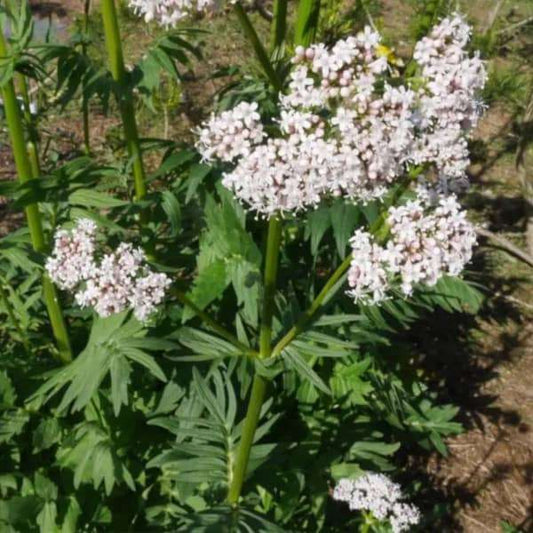
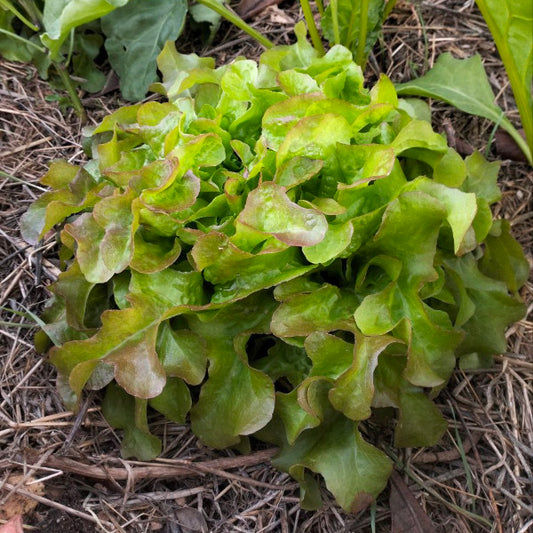
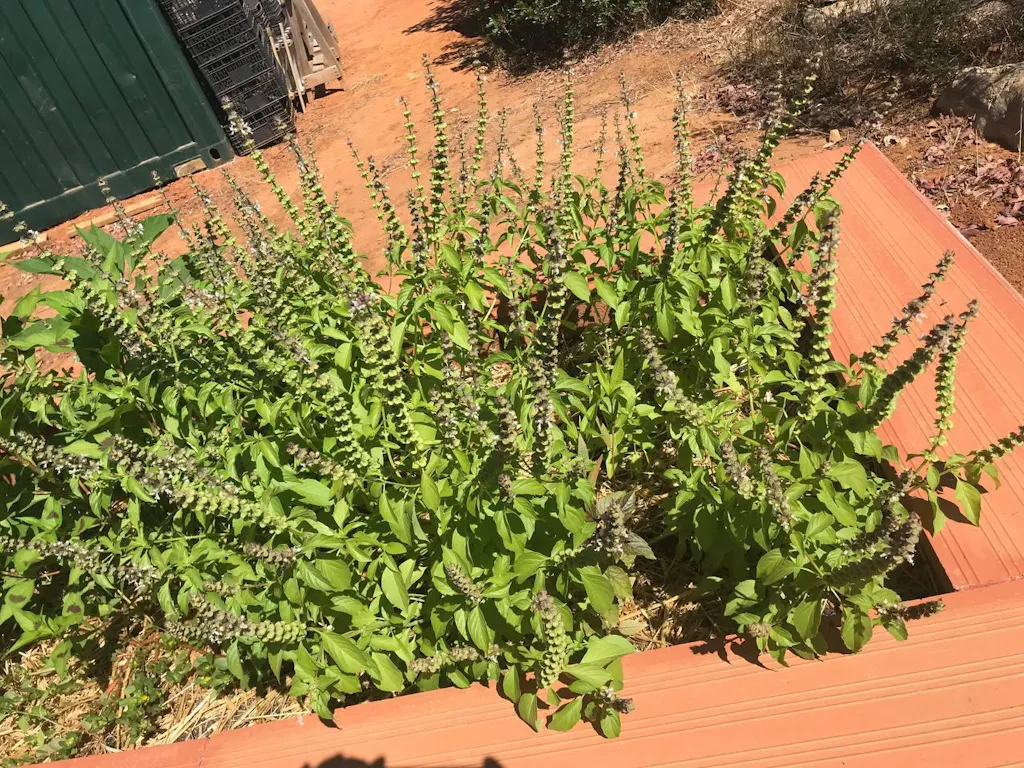
The perennial dandelion is an edible plant used for salads, tea, and healing purposes. Versatile, robust, and for centuries a popular herb against many types of illnesses and ailments. Perfect for making healthy honey or coffee substitutes. Ideal for direct sowing or pre-cultivation, pot cultivation possible, sowing spring-summer-autumn, good for mixed culture, harvesting flowers, leaves, milky sap and roots.
Description
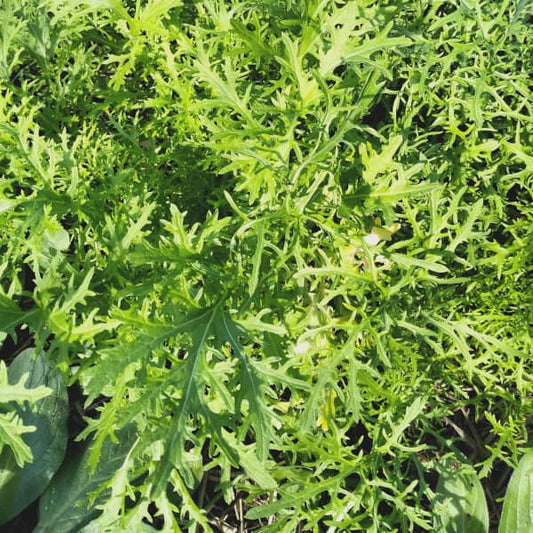
This dandelion is a perennial, versatile, and edible plant used for salads, tea, and healing purposes—a cultivated form of wild dandelion. The original wild plant originates from Western Asia and Europe. Thanks to human intervention, this robust plant is now widespread across the Northern Hemisphere. For centuries, people have used this proven medicinal plant for its diuretic and bile-stimulating effects, which are scientifically confirmed. In folk medicine, it is used as a tea herb and for detoxification. In naturopathy, dandelion is also attributed with digestive-promoting, metabolism-stimulating properties, as well as a preventive effect against kidney stones. It is used for gastrointestinal complaints, digestive disorders, loss of appetite, and liver and gallbladder issues. In addition to the bitter taste of the leaves, the herb contains a white, bitter milky sap in the stem. The edible plant forms deeply lobed leaves that can be tied together in spring for blanching, making them noticeably more tender and milder in taste. Soaking the leaves also reduces bitterness. Typically, the young leaves are used in spring for salads, herb quark, and soups. Delicious honey can be made from the flowers, and the roots can be roasted like coffee. Dandelion often appears at vegetable stands in spring. It magically attracts bees and other insects.
General information
Plant family: Asteraceae
Life cycle: Perennial
Days to harvest: 70 days
Plant height approx.: 40 cm
Root type: Deep rooter
Nutrient requirements: Low
Water requirements: Low
Winter hardiness: Up to -15°C
Location: Sunny until semi shady
Soil: Permeable, humus-rich loamy soil
pH value: 5.5 to 7.5
Sowing and planting information
Germination type: Light germinator
Sowing depth: 0 cm
Optimal germination temperature: 16-20 °C
Germination time: 7-14 days
Plant and row spacing: 10x20 cm
Germination ability of seeds: 8-9 years
Mixed culture
Optimal mixed culture: Carrot, Onion, Garlic
Unfavorable mixed culture: -
Sowing by climate zone
Subtropic climate (Mediterranean) (e. g. B. Portugal, Spain, Italy)
Direct sowing is recommended from January to August. The ideal location for the plants is sunny to partially shaded.
Moderate climate (e. g. B. Germany, Switzerland, Poland)
Direct sowing from April to June is recommended. The ideal location for the plants is sunny to partially shaded.
General recommendations
Direct sowing is recommended. After germination, thin the plants to the specified spacing. Precultivation is also useful. Extremely adaptable, it prefers deep, well-drained, nutrient-rich clay or loam soils. Humus-rich soil also supports growth.
Dandelion does not tolerate waterlogging.
Additional tips
Sunny locations promote growth and the development of larger flowers, but it can also thrive in partially shaded areas. Dandelion is an indicator plant for nitrogen-rich soils. In order to quickly obtain a fine, crumbly and permeable soil with good nutrient and water storage capacity, it is recommended to additionally incorporate biochar and primary rock flour.
Type of propagation
Propagation occurs via seeds.
Plant care
Loose soil is sufficient. No maintenance or fertilization is necessary.
Other names
Botanical names: Taraxacum officinale
English names: Dandelion
German names: Löwenzahn
Portuguese names: Dente de leão
Spanish names: Diente de león
French names: Pissenlit
Origin
Country: Deutschland