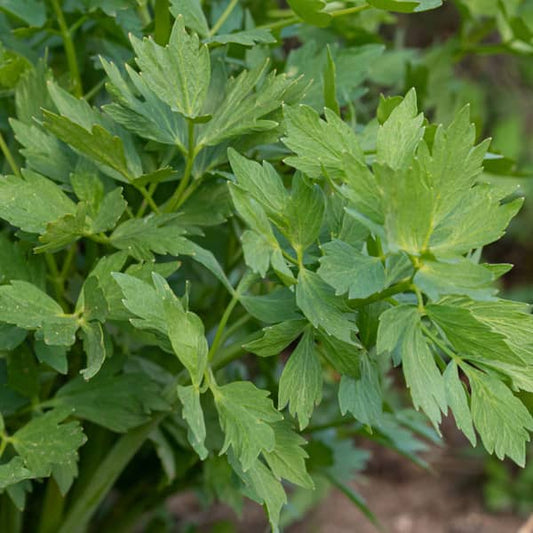
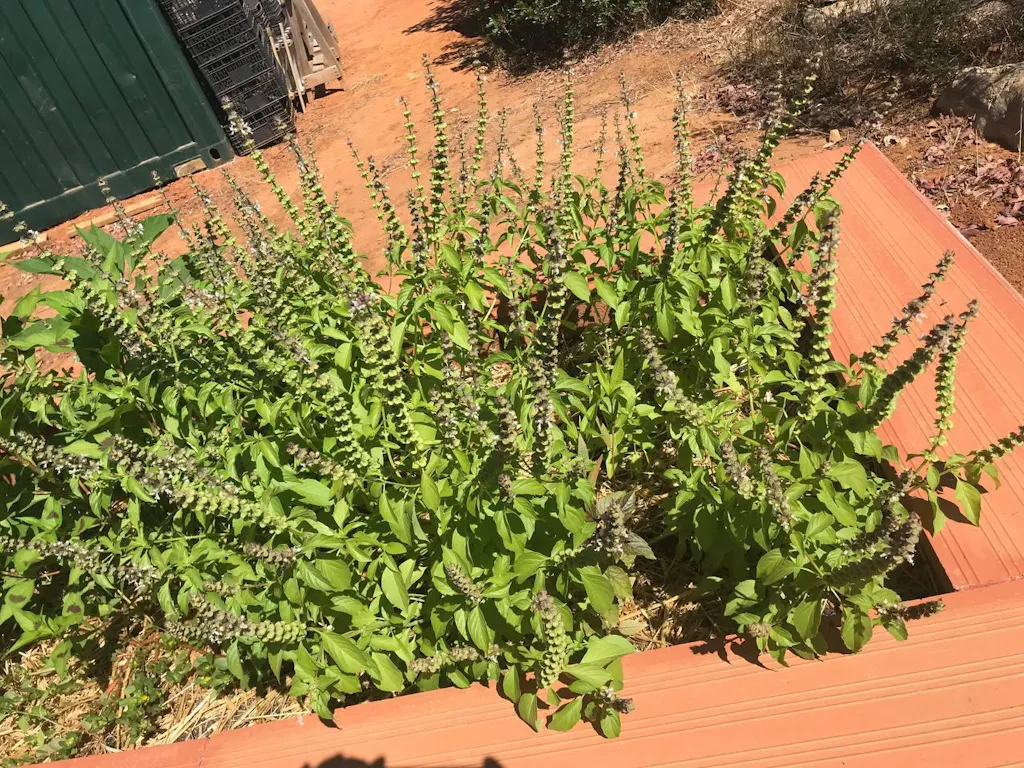
'Gigante d’Italia' – smooth, large‑leafed and aromatic parsley with an intense, fresh savoury flavour.
A biennial culinary herb with a strong, full‑bodied parsley flavour and excellent regrowth after cutting. The plants are robust, forming a broad, upright leaf rosette of 40–60 cm in the first year and providing fresh greens over many months. In the second year, tall, branched umbels appear, producing numerous well‑ripening seeds. ‘Gigante d’Italia’ is high‑yielding, easy to grow and ideal for open ground, raised beds, pots and herb gardens. The variety is perfectly suited to self‑sufficiency, herb beds and fresh everyday cooking.
 Origin & History
‘Gigante d’Italia’ is a traditional Italian smooth‑leaf form of parsley originating from the garden culture of southern and central Italy, where large‑leafed parsleys have been valued for centuries for their intense aroma and generous leaf mass. Botanically, it belongs to the family Apiaceae, subfamily Apioideae, genus Petroselinum.
The large‑leafed type was first mentioned in 1548 in the agricultural work Opera dell’Agricoltura by Pietro de’ Crescenzi, which describes a “prezzemolo grande delle foglie larghe” – a broad‑leafed, aromatic parsley cultivated in monastic and rural gardens across southern Europe, matching today’s ‘Gigante d’Italia’ in growth habit and use. From the 16th century onwards, this parsley type spread throughout southern Europe and became a staple of Mediterranean cooking. In Italy, Dalmatia and parts of the Balkans, the large‑leafed form remained the preferred parsley, appreciated for its flavour strength, robustness and high cutting frequency.
In traditional herbal medicine, large‑leafed parsley was used for its content of essential oils, apiol and myristicin, considered digestive, diuretic and metabolism‑stimulating. It appeared in herbal infusions, strengthening remedies and as a warming kitchen herb. ‘Gigante d’Italia’ stands firmly within this well‑documented cultural lineage and represents the original, aromatic and productive form of Italian leaf parsley – still an indispensable herb in Mediterranean cuisine today.
 Appearance & Characteristics
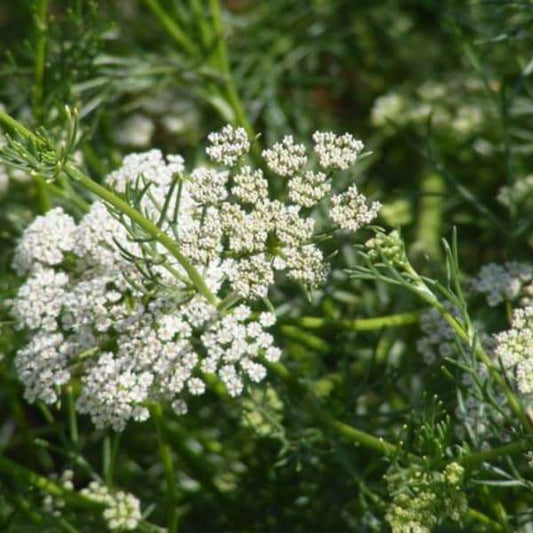
The plant is herbaceous and upright, forming a strong, broad, fan‑shaped rosette of large, smooth, deep‑green leaves in its first year. Growth height is 40–60 cm. In the second year, 70–100 cm tall, branched flowering stems appear, carrying white umbels that attract numerous pollinators. The variety is robust, tolerant of frequent harvesting and reliably resprouts after each cut. Biennial, winter hardy to around –7 °C.
Plant details:
Height: Medium, 40–60 cm
Form: Basal rosette in the 1st year; upright and branched in the 2nd year
Leaves: Large, smooth, deep green
Flowers: White, in umbels
Flavor: Fresh‑savory, intensely aromatic, robust, typically Mediterranean
 Usage & Cultivation Highlights
‘Gigante d’Italia’ adds a fresh, intense flavour to soups, broths, vegetable dishes, herb butter, dips, fillings and stews. The leaves can be used raw, steamed, cooked, dried or frozen, and when finely chopped they suit salads, herb blends, pestos and smoothies. When dried, the variety is excellent for soup seasoning and herb salts. It enriches risottos, potato and grain dishes, sauces, marinades, dressings, omelettes, quiches and Mediterranean pan dishes. It is also ideal for gremolata, tabbouleh, falafel mixes, oriental herb dishes, yoghurt dips, tzatziki, fish and seafood preparations, as well as herb crusts, savoury pies, roasted vegetables and filled pastries. Whole stems add flavour to stocks and braised dishes, while finely cut leaves provide a fresh finish when sprinkled over warm meals. The variety also develops its full aroma in herb oils, flavoured vinegars, spreads and savoury pancakes.
‘Gigante d’Italia’ is very easy to grow: it prefers sunny to semi‑shaded sites, humus‑rich, evenly moist soil and regular cutting to encourage vigorous regrowth. The plants are robust, sturdy and supply fresh greens over many months; the variety grows reliably in pots as well as in beds. If overwintered, it produces flowering stems and seeds for home seed saving in the second year. It grows quickly, remains vigorous even in changeable weather and competes well with weeds. Its taproot provides drought tolerance, while the compact rosette allows close spacing and high yields. Thanks to its short cultivation period, the variety is ideal for flexible crop rotations and successive sowings into autumn, maintaining consistent leaf quality throughout the season.
Compared to curled parsley types, ‘Gigante d’Italia’ is more heat‑tolerant, higher yielding and easier to manage – ideal for anyone who values intense green herbs with frequent harvests and versatile culinary use.