'Hangdown Grünkernig' Broad Bean - Vicia faba

€6,00 EUR
€57,14 EUR kg
Price plus shipping
Delivery time: 1-2 business days (PT – international may vary)

In stock

Traditional cultivation method & heirloom variety. Genetically stable & open-pollinated - 100% free from hybrid breeding, GMOs, and synthetic fertilizers. Organically propagated - Non-proprietary variety.
Bohnensamen2

Harvest year:

2023

Seed viability:

5 years (species-specific)
Detailed information on germination capacity

Description

Cultivation & Characteristics

'Hangdown Grünkernig' broad bean – historic, traditional and high‑yielding variety with long, pendulous pods and mildly nutty seeds. 

Annual, winter‑hardy legume with white flowers and 2–3 cm large, mildly nutty, tender seeds. The plants produce numerous long, downward‑hanging pods with 4–5 green beans, grow upright‑bushy up to 120 cm tall, are sturdy and ideal for sunny to semi‑shaded locations. They thrive reliably in open ground and raised beds with stable yields. The variety is robust, low‑maintenance and open‑pollinated – perfect for self‑sufficiency, companion planting and ecological cultivation.


  Origin & History

‘Hangdown Grünkernig’ belongs to the historically traditional Hangdown types that have been cultivated in Great Britain since the 19th century and later in German‑speaking regions. The variety is a green‑seeded sub‑line of the classic Hangdown group, first documented in European seed catalogues in the 1890s. Botanically, it belongs to the family Fabaceae, subfamily Faboideae, genus Vicia.

Its first known mention dates to 1893, when it was described in the British work “Illustrated Descriptive Catalogue of Garden and Field Seeds” as a “Hangdown green‑seeded broad bean with long drooping pods”. Since then, it has been cultivated in home gardens and small‑scale farming systems as a reliable, robust and adaptable variety, establishing itself as a proven broad bean for a wide range of soil conditions.

The variety is open‑pollinated and shaped by regional selection. Its historical significance lies in its role as a dependable, high‑yielding home‑garden bean with pronounced cold tolerance and excellent suitability both as a fresh bean and as a dry bean. In traditional cuisine, it is valued for nourishing stews, purées and hearty dishes, where its mildly nutty seeds serve as a valuable source of plant protein and contribute to a balanced, plant‑based diet.


   Appearance & Characteristics

‘Hangdown Grünkernig’ is annual and herbaceous, forming upright, bushy plants with sturdy stems and green foliage. The stable plants reach 90–120 cm in height and develop white flowers from which long, green, characteristically pendulous pods form. Each pod contains 4–5 large green seeds measuring 2–3 cm. The variety is robust and winter‑hardy down to around –12 °C.

Plant details:

  • Height: Medium, 90–120 cm

  • Form: Upright, bushy, herbaceous

  • Leaves: Medium green, pinnate

  • Flowers: White

  • Pods: Green, long and pendulous, with 4–5 large green seeds
  • Flavor: Mild, nutty, tender


 Usage & Cultivation Highlights

‘Hangdown Grünkernig’ is excellent for cooking, steaming, frying, puréeing, pickling, drying and freezing. Young seeds are tender and mildly nutty, ideal for Mediterranean dishes, purées, bowls, stews and vegetable pans. Mature beans can be dried and used for winter dishes, soups, casseroles and savoury patties. The variety is also a valuable pollinator plant, as its early flowers provide abundant nectar for bees and bumblebees. In addition, the young seeds are perfect for risottos, pasta dishes, creamy bean dips, oriental mezze, spreads and aromatic bean creams. Cooked seeds can be turned into fine veggie burgers, dumpling fillings, savoury spreads and protein‑rich purées. Dried beans enrich curries, hearty ragouts, traditional Mediterranean bean dishes and nourishing winter stews. The variety is also ideal for long‑term storage, as it keeps well both blanched and fully dried.

In cultivation, ‘Hangdown Grünkernig’ is extremely reliable: it prefers sunny to semi‑shaded locations, is frost‑hardy, robust and tolerant of variable spring conditions. As a legume, it fixes nitrogen and improves soil fertility. Its strong taproot bridges dry periods, and the plants remain stable despite their long pods. It thrives in humus‑rich as well as heavier soils, shows good competitiveness against weeds and is ideal for self‑sufficiency, companion planting and ecological cultivation. The variety also convinces with its early development and dependable yields even in cooler regions.

Compared to other broad beans, ‘Hangdown Grünkernig’ stands out with its pendulous pods, mildly nutty seeds, strong yield reliability and historical significance – an ideal variety for family gardens, natural gardens, self‑sufficiency and lovers of traditional, open‑pollinated varieties.

Cultivation_Overview_-_Anbau_im_Uberblick_-_Visao_geral_do_cultivo_-_www

Origin & Cultivation at a Glance

First mention:

1893

Origin:

Not officially documented

Breeder:

Unknown – heritage variety

Propagation site:

Alentejo - Portugal

Suitable for:

Open field, Cold frame, Polytunnel, Raised bed, Urban gardening

Care requirements:

Low – easy to care for, ideal for beginners.

Overwintering:

Winter-hardy - suitable for outdoor cultivation.

Special features:

Annual variety / Fast-growing, Fast-growing, High-yielding, Resilient, Low-maintenance, Sun-loving / sunny, Shade-tolerant / partial shade, Heat-tolerant, Cold-hardy
Plant_Growing_Instructions_-_Pflanzen_Anbau-Anleitung_-_Instrucoes_de_cultivo_de_plantas_-_www

Cultivation guide for

Hangdown Grünkernig

Growing difficulty:

Easy
In subtropical climates, sow from February to April or September to November in sun or partial shade – pre‑cultivation not recommended.
In temperate regions, direct sowing from February to June in full sun – pre‑cultivation not recommended.
Sow in deep, well‑drained, humus‑rich and moderately nutrient‑rich loam – 5–8 cm deep. Plant spacing 30 × 60 cm.

Cultivation tips:

Direct sowing is recommended - young plants grow quickly and vigorously.
Thin out early so the plants have enough space.
Hill sowing possible – 3–4 seeds per hole with a hill spacing of 40 cm.
For a staggered harvest, it’s recommended to sow seeds in intervals of 4 weeks.
Fertilise sparingly – overly nutrient‑rich soils reduce growth.
Biochar and rock dust improve soil structure and enhance the retention of nutrients and water.

Storage instructions:

Store seeds in a cool, dry, dark, and airtight environment to maximize shelf life and germination.
Detailed information on seed storage
Plant_Profile_-_Pflanzen_Steckbrief_-_Ficha_da_planta_-_www

Plant Profile

Plant details

Botanical name:

<tc>Vicia faba L. ‘Hangdown Grünkernig’</tc>

Botanical family:

Fabaceae

Plant type:

Legumes

Growth habit:

Upright growth, Bushy, Herbaceous

Plant width:

35 cm

Plant height:

120 cm

Root type:

Moderately to deep rooted, Taprooted

Hardy to:

Hardy to -12 °C.

Cultivation period:

4-6 months

Life cycle:

Annual

Propagation method:

Generative propagation by seed

Propagation:

This variety is cross‑pollinating through insect pollination and belongs to the species Vicia faba.
For seed production, a minimum isolation distance of 800–1000 m from other varieties of the same species is recommended, as cross-pollination is easily possible.
The plant is annual – after flowering it forms small inflorescences with well‑ripening seeds in dry pods.

Sowing & Planting

Germination type:

Dark germinator, Temperate germinator

Sowing depth:

5–8 cm

Germination temperature:

8–20 °C

Germination time:

7-21 days

Pot culture:

Not recommended – better grown in garden beds.

Row spacing for baby leaf:

Not suitable for baby-leaf cultivation.

Plant spacing:

30 cm

Row spacing:

60 cm

Pricking out / thinning out:

No thinning required – direct sowing recommended.

Planting time:

Transplanting not required - direct sowing is recommended.

Soil

Soil type:

Deep, well-drained, humus-rich loam

Soil pH:

6.5-7.5 - slightly acidic to alkaline

Nutrient requirements:

Medium feeder

Soil moisture:

Evenly moist, Adaptable, Sensitive to waterlogging

Soil preparation:

Loosen soil deeply before sowing, Prepare soil weed-free and with a fine crumb structure., Mulch layer for moisture regulation

Companion planting, Crop rotation & Harvest

Companion plants:

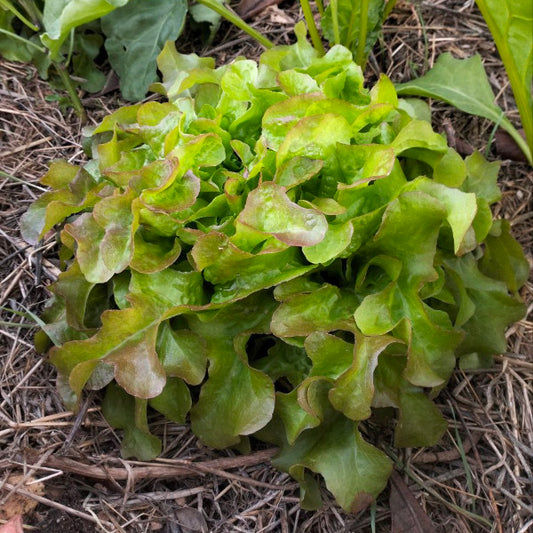
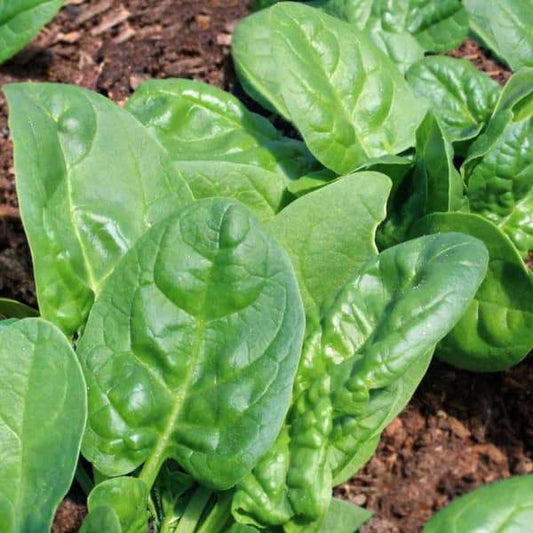
Lettuce, Spinach, Brassicas, Cucurbits, Potato, Radish, Calendula

Incompatible plants:

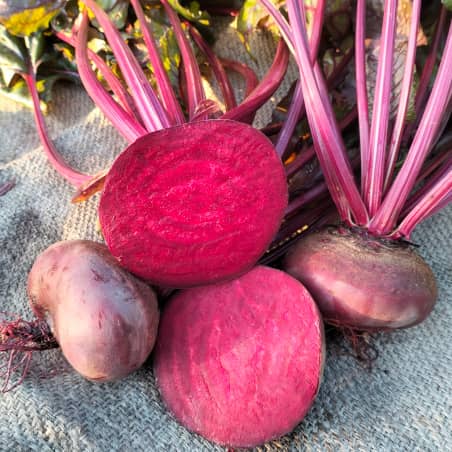
Fennel, Tomato, Pepper / Chili pepper, Eggplant, Other legumes, Onion crops, Beetroot, Corn

Crop rotation guidelines:

Do not plant after other legumes – at least 4 years of spacing recommended.

Harvest time:

Spring, Summer, Autumn

Sowing to harvest:

3-4 months

Harvested parts:

Seed pods

Suitable for consumption:

Yes - edible raw or cooked.

Intended use:

Diet cuisine, Low Carb, Raw consumption, Salad, Steaming, Cooking, Roasting, Baking, Deep-frying, Stuffing, Pickling, Fermentation, To purée, Freezing, Preserving, Drying / Dehydrating, Pollinator plant, Natural garden, Decoration

Care & Cultivation practices

Water requirements:

Moderate

Plant care techniques:

Thin out after germination when sown directly, Water regularly - even during dry periods, Loosen and hoe, Maintain weed-free, Inspect regularly for pest infestation

Plant protection:

Well-ventilated location and good drainage recommended., Mulching recommended, Check early for aphids.

Cultivation notes:

Proven and easy to cultivate Susceptible to slugs and snails in early development. At a later stage, the hardier leaves are less vulnerable. Can be infested by aphids - occasional monitoring recommended. Growth stops under drought – consistent water supply required. Sensitive to waterlogging – use well-drained soil.

Other names

EN - English names:

Broad BeanFava BeanHorse BeanField Bean

DE - German names:

Dicke BohnePuffbohneAckerbohneSau‑BohneFeldbohnePferdebohne

PT - Portuguese names:

FavaFava‑bico

ES - Spanish names:

HabaHaba de campo

FR - French names:

FèveFève des marais

Customer Reviews

Be the first to write a review
0%
(0)
0%
(0)
0%
(0)
0%
(0)
0%
(0)

Further recommendations for you

100% open-pollinated & reproducible