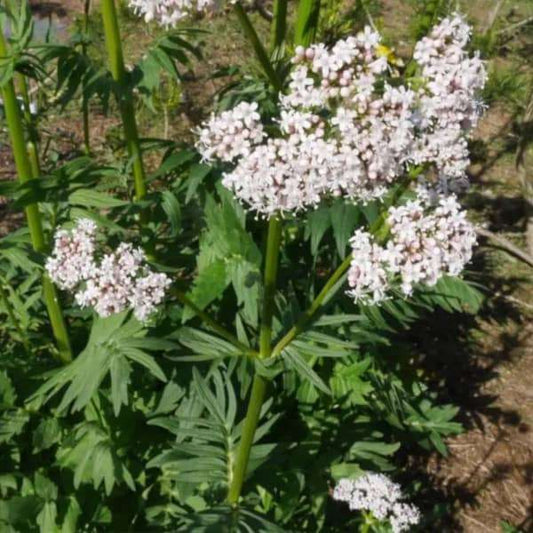
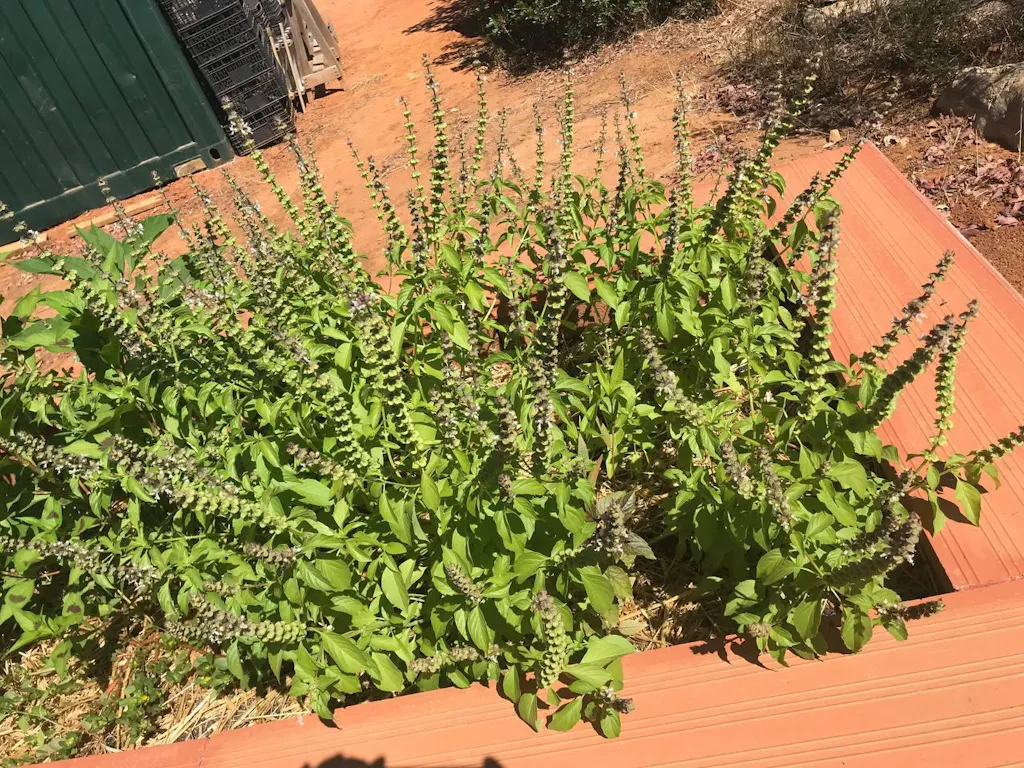
The perennial horehound is a very old, hardy tea and medicinal plant and is used for coughs, bronchial and digestive complaints. Scientifically recognized expectorant effect. Ideal for pre-cultivation, base and nitrogen indicator, pot culture possible, sowing spring-summer, good for mixed culture, harvesting the leaves.
Description
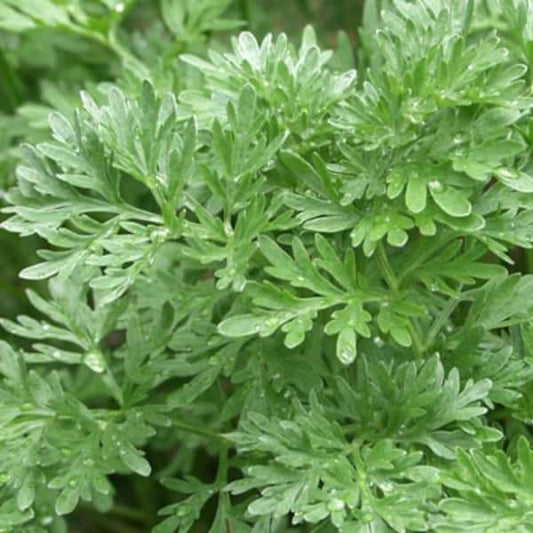
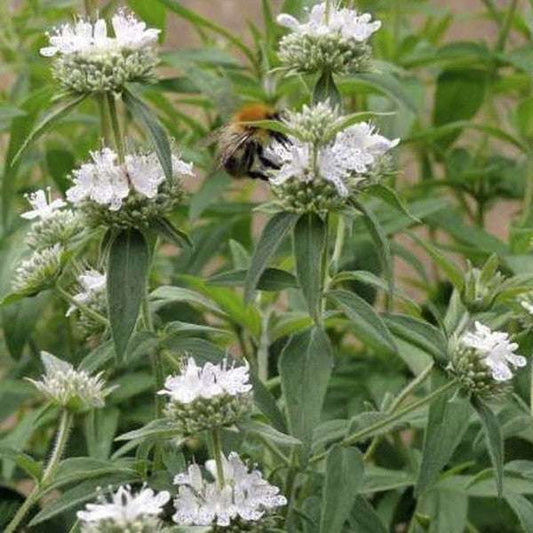
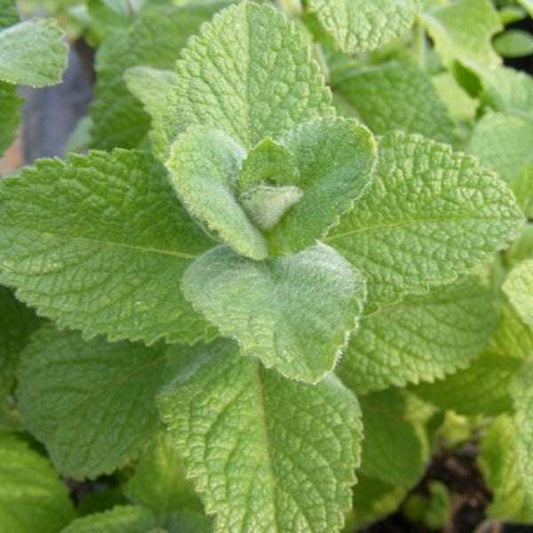
Horehound is a perennial that has been known as a medicinal plant for more than 2000 years. The robust plant, which comes from the Mediterranean region, has been used for medicinal purposes since ancient times and can still be found in many parts of the world today. The species forms grey-green, heavily wrinkled and white, hairy leaves. Its expectorant effect, which is also scientifically recognized, is particularly valued for coughs, bronchial complaints and digestive problems. In addition, the medicinal herb has many other applications and abilities in natural medicine. The taste is bitter and magically attracts insects. Horehound is considered an alkali and nitrogen indicator.
General information
Plant family: Lamiaceae
Life cycle: Perennial
Days to harvest: 80 days
Plant height approx.: 60 cm
Root type: Deep rooter
Nutrient requirements: Low
Water requirements: Low
Winter hardiness: Up to -34°C
Location: Sunny
Soil: Permeable, sandy clay or loamy soil
pH value: 7 to 8
Sowing and planting information
Germination type: Light germinator
Sowing depth: 0 cm
Optimal germination temperature: 15-20 °C
Germination time: 7-21 days
Plant and row spacing: 30x40 cm
Germination ability of seeds: 4-5 years
Mixed culture
Optimal mixed culture: Tomato, Rue, Hyssop
Unfavorable mixed culture: Fennel
Sowing by climate zone
Subtropic climate (Mediterranean) (e. g. B. Portugal, Spain, Italy)
Direct sowing from February to June is recommended. The plants should ideally be planted in a sunny location.
Moderate climate (e. g. B. Germany, Switzerland, Poland)
Direct sowing from March to June is recommended. The plants should ideally be planted in a sunny location.
General recommendations
Direct sowing is recommended. After germination, thin out the plants to the specified plant spacing. Prefers well-drained, lean clay or loam soils, which can be lightly enriched with compost. It thrives in dry, sunny locations with calcareous soils.
Horehound ideally prefers a calcareous soil. Does not tolerate waterlogging.
Additional tips
In order to quickly obtain a fine, crumbly and permeable soil with good nutrient and water storage capacity, additional incorporation of biochar and primary rock flour is recommended.
Type of propagation
Propagation occurs via seeds or cuttings.
Plant care
The plants have very low water requirements, so only a few additional waterings are necessary in completely dry conditions. The perennial can be kept compact by regular pruning. No fertilization necessary.
Other names
Botanical names: Marrubium vulgare
English names: Horehound
German names: Gewöhnliche Andorn, Weißer Andorn, Gemeiner Andorn, Mariennessel, Berghopfen
Portuguese names: Marroio
Spanish names: Marrubio
French names: Marrube
Origin
Country: Germany