Lemon Basil - Ocimum americanum

€2,50 EUR
€2.500,00 EUR kg
Price plus shipping
Delivery time: 1-2 business days (PT – international may vary)
reicht für ca. 10 m²

In stock

Historic, traditional and unchanged wild form. Genetically stable & open-pollinated - 100% free from hybrid breeding, GMOs, and synthetic fertilizers. Organically propagated - preserved in its original form.
Bohnensamen2

Harvest year:

2024

Seed viability:

10 years (species-specific)
Detailed information on germination capacity

Description

Cultivation & Characteristics

Lemon Basil – aromatic herb with a refined lemon fragrance. 

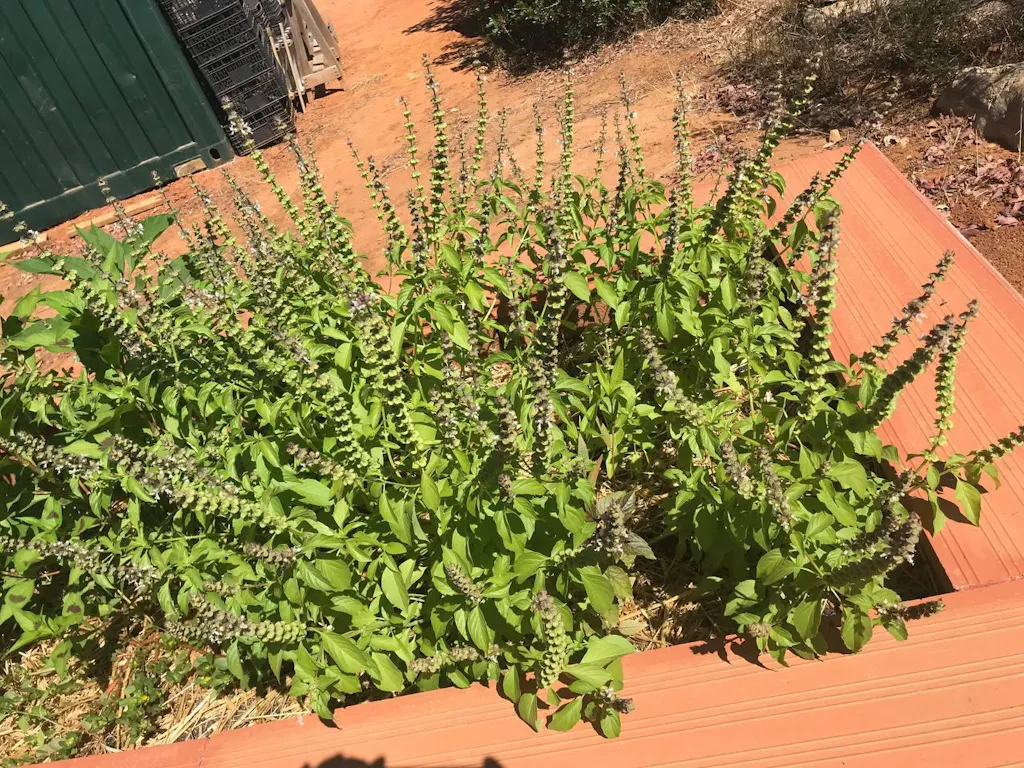
Annual basil with medium‑green, oval to slightly pointed leaves and a distinctly fresh lemon aroma. The plant grows loosely bushy, is reliably productive and well suited for open ground, greenhouses and container culture. Naturally aromatic, versatile and open‑pollinated – ideal for self‑sufficiency and ecological gardening.


  Origin & History

Lemon basil (Ocimum americanum) is an original wild species native to tropical and subtropical regions of Africa and Asia. It has been cultivated for centuries in East Africa, India, Thailand and Laos, where it became an integral part of regional cuisines. In Southeast Asia it is known under various names — in Thailand, for example, as maenglak. There it is traditionally used in curries, soups and fresh herb dishes. In Laos, Indonesia and parts of India it serves as a fragrant seasoning herb for fish, rice and vegetable dishes. Botanically, it belongs to the mint family (Lamiaceae), subfamily Nepetoideae, and the genus Ocimum.

The earliest widely known reference to this lemon‑scented basil wild form appears around 1690 in early European travel reports from South India and the former Kingdom of Siam. Even at that time it was valued both as an aromatic culinary herb and as a medicinal plant used for digestive discomfort, fever, colds and to support the respiratory system.

In the 19th and early 20th centuries, lemon basil reached Europe and later the United States through botanical collections, where it was initially appreciated as an exotic, citrus‑fragrant basil. In horticultural writings of the late 19th century it is mentioned as an “African‑Asian lemon basil”, praised for its robustness, fresh scent and suitability for warm summers. Today, lemon basil is cultivated worldwide and is considered one of the most aromatic wild forms within the basil family — shaped by essential oils such as citral, which give it its characteristic lemon fragrance.


  Appearance & Characteristics

The plant grows in a loose, bushy habit and reaches a height of about 40–60 cm. It produces numerous medium‑green leaves, oval to slightly pointed, with a smooth surface. The flowers appear in late summer, are white to pale lilac, and are highly attractive to bees. Warm‑loving and sensitive to frost.

Leaf details:

  • Size: Medium, approx. 4-5 cm long leaves

  • Shape: Ovate to slightly pointed

  • Color: Medium green, distinctly veined

  • Texture: Tender

  • Flavor: Intense lemon aroma with a fresh, spicy note


 Usage & Cultivation Highlights

Lemon Basil leaves are excellent for fresh use in salads, smoothies and as a garnish. Their natural lemon aroma makes them a classic of summer cuisine. Ideal for herb sauces, pesto, desserts, drinks such as lemonades and cocktails, as well as teas and herbal infusions. In Asian cooking, lemon basil is traditionally used in curries, soups and fresh herb mixes. Mediterranean dishes, fish and poultry recipes, rice and vegetable sautés also benefit from its bright, citrus‑fresh note. The leaves are well suited for flavouring vinegar, oil and syrups. When dried, the herb is used in spice blends, incense mixtures and even in sweet dishes such as sorbets or fruit salads.

Thanks to its bushy growth, lemon basil thrives reliably in open ground, greenhouses and containers. It is easy to care for, productive and maintains stable yields even in warm conditions. Multiple harvests are easily possible, as the plant continuously produces new foliage. It shows good adaptability to different soil types and also grows well in lighter, sandy soils. Its high heat tolerance makes it particularly suitable for summer cultivation. Regular harvesting encourages a compact, bushy habit, allowing the plant to provide abundant aromatic leaves throughout the entire season. It also performs very well in pots due to its naturally compact form, making it ideal for balcony and terrace gardens.

Compared to other basil species, lemon basil has an especially intense, natural lemon fragrance — perfect for anyone seeking an open‑pollinated, original basil with versatile culinary uses and reliable growth.

Cultivation_Overview_-_Anbau_im_Uberblick_-_Visao_geral_do_cultivo_-_www

Origin & Cultivation at a Glance

First mention:

1690

Origin:

Africa/Asia

Breeder:

Wild form – taken into cultivation unchanged

Propagation site:

Lower Saxony – Germany

Suitable for:

Open field, Greenhouse, Polytunnel, Balcony / pot, Urban gardening, Raised bed, Plant towers or tiered systems

Care requirements:

Low – easy to care for, ideal for beginners.

Overwintering:

Not winter-hardy – can be cultivated outdoors as an annual.

Special features:

Annual variety / Fast-growing, Fast-growing, High-yielding, Sun-loving / sunny, Low-maintenance
Plant_Growing_Instructions_-_Pflanzen_Anbau-Anleitung_-_Instrucoes_de_cultivo_de_plantas_-_www

Cultivation guide for

<tc>Lemon basil</tc>

Growing difficulty:

Easy
In subtropical climates, sow from March in sunny locations - pre-culture possible from January.
In temperate regions, pre‑cultivation from March - transplant from mid‑May after frost in full sun.
Sow in well‑drained, humus‑rich, and nutrient‑rich loamy soil. Light germinator - do not cover with soil. Plant spacing: 30 × 40 cm.
For baby leaf, sow densely with row spacing of 10-15 cm.

Cultivation tips:

Water regularly - consistent moisture promotes tender leaves and mild flavor.
Keep evenly moist - drought stress leads to bolting.
Good air circulation protects against aphids and fungal diseases.
Bring pots indoors or into the greenhouse in autumn – this way the season can be significantly extended.
Harvest only the upper shoots - this allows the plant to regrow and enables multiple harvests during the season.
Cut the shoots just before flowering – this is when the essential oil content is at its highest.
Removing flowers extends leaf usage.
Biochar and rock dust improve soil structure and enhance the retention of nutrients and water.

Storage instructions:

Store seeds in a cool, dry, dark, and airtight environment to maximize shelf life and germination.
Detailed information on seed storage
Plant_Profile_-_Pflanzen_Steckbrief_-_Ficha_da_planta_-_www

Plant Profile

Plant details

Botanical name:

<tc>Ocimum americanum L.</tc>

Botanical family:

Lamiaceae

Plant type:

Culinary herbs

Growth habit:

Upright growth, Bushy, Herbaceous, Compact

Plant width:

30 cm

Plant height:

60 cm

Root type:

Shallow-rooted

Hardy to:

4 °C – not winter‑hardy.

Cultivation period:

4-5 months

Life cycle:

Annual

Propagation method:

Generative propagation by seed, Propagation by cuttings

Propagation:

This variety is cross‑pollinated by insects and belongs to the species Ocimum basilicum.
For seed production, a minimum isolation distance of 500 m from other varieties of the same species is recommended to prevent cross-pollination.
The plant is annual - after flowering it forms small inflorescences with numerous, small, well‑ripening seeds.
The seeds are ready for harvest once the seed heads have completely dried and become straw‑like and brittle.

Sowing & Planting

Germination type:

Light germinator, Warm germinator

Sowing depth:

0 cm

Germination temperature:

18-25 °C

Germination time:

2-10 days

Pot culture:

Requires a minimum container size of 5 liters.

Row spacing for baby leaf:

5-10 cm or broadcast sowing without row arrangement.

Plant spacing:

30 cm

Row spacing:

40 cm

Pricking out / thinning out:

Thin out seedlings within 3 weeks after the formation of the first true leaf pairs.

Planting time:

Transplanted seedlings can be planted outdoors about 3 weeks after pricking out. Plant only in consistently warm weather – ideally after the last frosts, when both daytime and nighttime temperatures are mild.

Soil

Soil type:

Well-drained, humus-rich loam soil

Soil pH:

6.5-7.2 - slightly acidic to neutral

Nutrient requirements:

Medium feeder

Soil moisture:

Evenly moist, Adaptable, Sensitive to waterlogging

Soil preparation:

Loosen soil before sowing, Apply compost before planting., Prepare soil weed-free and with a fine crumb structure., Mulch layer for moisture regulation

Companion planting, Crop rotation & Harvest

Companion plants:

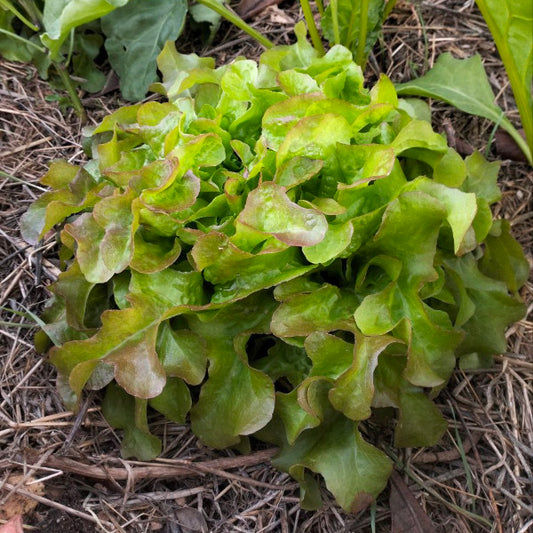
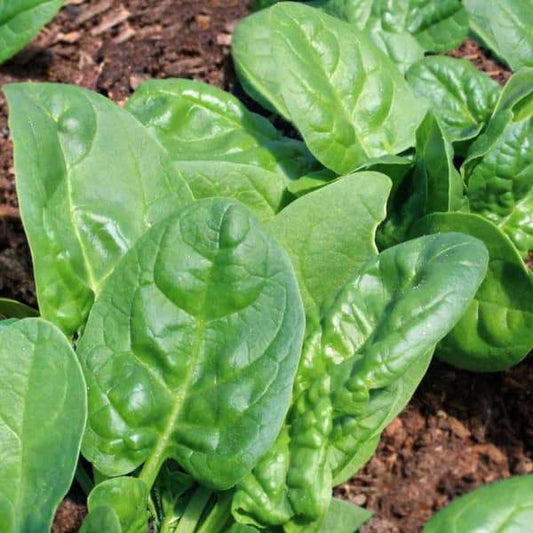
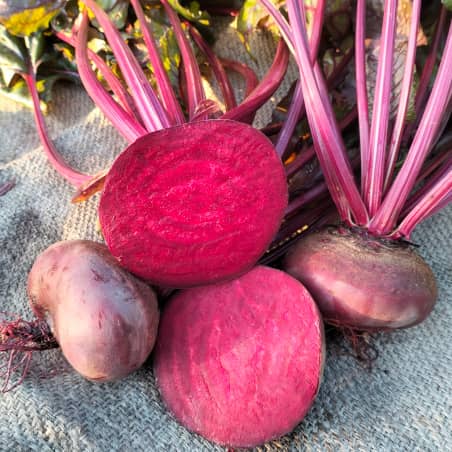
Lettuce, Spinach, Tomato, Pepper / Chili pepper, Cucumber, Courgette, Strawberry, Legumes, Carrot, Beetroot, Onion crops, Corn, Calendula, Dill, Coriander, Nasturtium, Tagetes

Incompatible plants:

Brassicas, Fennel, Potato, Sage, Rosemary, Oregano, Thyme

Crop rotation guidelines:

Do not plant after other Lamiaceae - a minimum interval of 3 years is recommended.
Ideal previous crops include legumes, onions, root vegetables, and green manure – rotating crops supports healthy soil.

Harvest time:

Spring, Summer, Autumn

Sowing to harvest:

1,5-2 months

Harvested parts:

Leaves, Shoot tips

Suitable for consumption:

Yes - edible raw or cooked.

Intended use:

Diet cuisine, Low Carb, Culinary herb, Raw consumption, Salad, Steaming, Cooking, To purée, Freezing, Preserving, Drying / Dehydrating, Tea

Care & Cultivation practices

Water requirements:

Moderate to high

Plant care techniques:

Thin out after germination when sown directly, Water regularly - even during dry periods, Fertilize, Maintain weed-free, Inspect regularly for pest infestation, Remove blooms

Plant protection:

Well-ventilated location and good drainage recommended., Check early for aphids., Mulching recommended

Cultivation notes:

Susceptible to slugs and snails in early development. At a later stage, the hardier leaves are less vulnerable. Can be infested by aphids - occasional monitoring recommended. Sensitive to waterlogging – use well-drained soil.

Other names

EN - English names:

Lemon basil

DE - German names:

Zitronen-Basilikum

PT - Portuguese names:

Manjericão Limão

ES - Spanish names:

Albahaca Limón

FR - French names:

Basilic Citron

Customer Reviews

Be the first to write a review
0%
(0)
0%
(0)
0%
(0)
0%
(0)
0%
(0)

Further recommendations for you

100% open-pollinated & reproducible