Rue – ancient, aromatic and drought‑loving medicinal and fragrant plant with an intensely spicy‑bitter aroma.
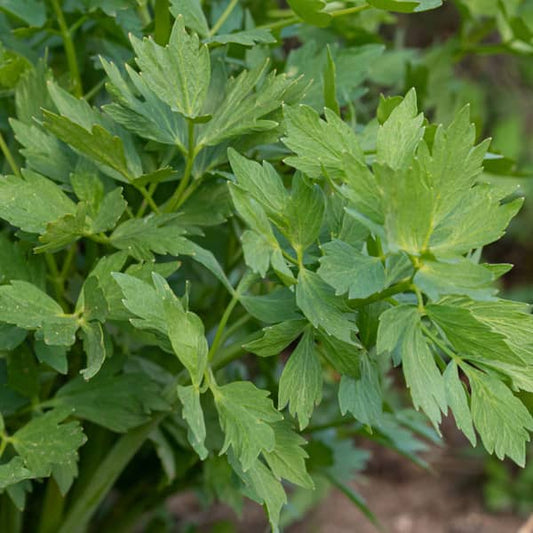
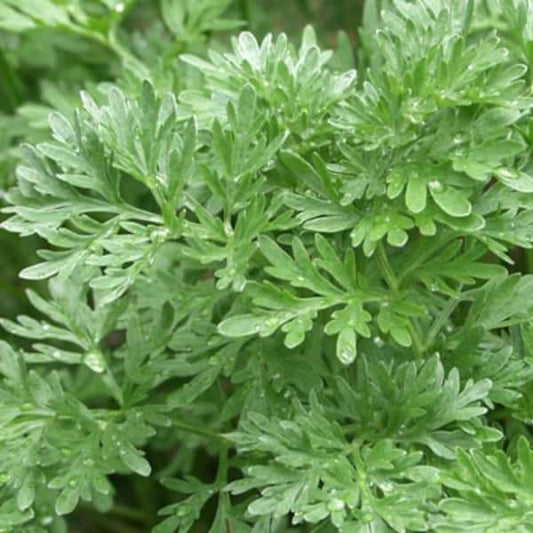
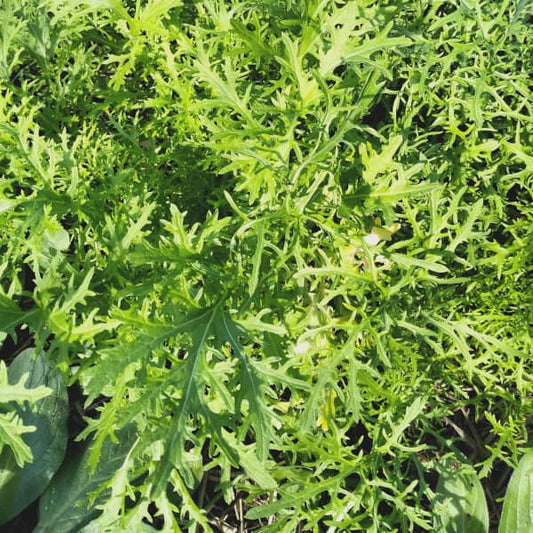
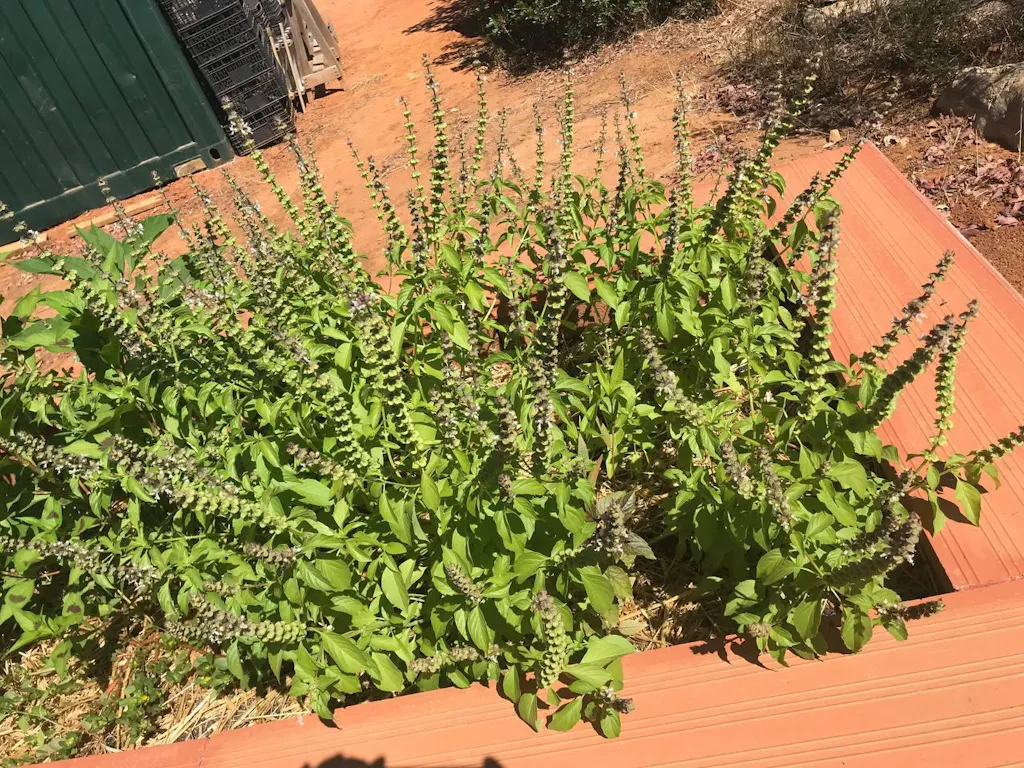
Perennial, winter‑hardy herb with blue‑green, finely pinnate leaves and a characteristic, strongly aromatic scent. It grows upright, bushy and clump‑forming, is extremely low‑maintenance and thrives reliably in open ground, pots and herb gardens. The species produces numerous well‑ripening seeds and is a long‑lived, persistent perennial. Ideal for self‑sufficiency, natural gardens and ecological herb cultivation.
 Origin & History
Rue is a traditional medicinal and ritual herb of the Mediterranean and was already cultivated in antiquity by the Greeks and Romans. Its native range includes southern and south‑eastern Europe, North Africa and western Asia, where it grows on dry, stony and calcareous sites. For centuries it has been a staple of monastic and cottage gardens, valued as a healing, protective and incense herb. Botanically, rue belongs to the Rutaceae, the subfamily Rutoideae, and the genus Ruta.
Its earliest recorded mention dates to the 1st century CE: in De materia medica, Dioscorides describes its effects on digestive complaints, cramps and general strengthening. Pliny the Elder confirms its importance in Naturalis historia (77 CE), documenting its role as a medicinal and protective plant in Roman daily life.
The name “rue” reflects its historical use in wine and herbal infusions. In folk medicine it was used as a powerful bitter herb stimulating digestion, circulation and metabolism, and traditionally applied for stomach discomfort, nervous tension, menstrual issues and to support eyesight. As an incense plant it served to cleanse spaces and ward off misfortune. Its essential, slightly citrus‑like aroma reflects its close relationship to citrus plants.
This wild‑type, open‑pollinated rue is robust, drought‑tolerant and intensely aromatic. It differs clearly from later ornamental forms, which often have weaker scent or reduced hardiness. Today, traditional rue remains a versatile, low‑maintenance and characterful perennial for herb and natural gardens.
 Appearance & Characteristics
Perennial, herbaceous to semi‑woody plant forming upright, branched stems with finely pinnate, blue‑green leaves. The yellow summer flowers are visited by wild bees and hoverflies. The species is hardy down to –20 °C, drought‑resistant and reliably resprouts each spring.
Plant details:
Height: Medium, 40–80 cm
Form: Upright, bushy, herbaceous, clump‑forming
Leaves: Blue‑green, finely pinnate
Flowers: Yellow, small, rich in nectar
Flavor: Bitter‑spicy, essential, slightly citrus‑like, aromatic
 Usage & Cultivation Highlights
Rue is suitable for bitter‑herb blends, teas, incense, tinctures, salves and traditional herbal applications. Its intense aroma is used sparingly as a culinary herb, for example in Mediterranean herbal infusions or liqueurs. The dried leaves are a classic incense herb used in household and protective fumigations. In addition, it appears in digestive herb blends, bitter elixirs, herbal wines, oil macerates, plant rubs, insect‑ and moth‑repellent mixtures, cleansing and protective incense, as well as in medicinal herbal baths and strengthening compresses. In traditional herbalism it is also used for circulation‑stimulating applications, metabolism‑activating blends and fortifying tonics.
In the garden, rue is a valuable pollinator and fragrance plant, ideal for natural gardens, herb spirals and dry sites. It prefers sunny positions and well‑drained, lean soils. Thanks to its deep taproot it is extremely drought‑tolerant and copes well even in hot summers. The plant is low‑maintenance, regenerates well after pruning and can be harvested for many years. It is disease‑resistant, heat‑tolerant and excellent for ecological growing systems. Rue can be propagated by seed, cuttings or division and remains stable and long‑lived even in pots. It also offers strong wind resistance, reliable development in nutrient‑poor soils, good recovery after dry periods, natural weed suppression through its dense growth, long flowering as a pollinator magnet, suitability for stony, calcareous and Mediterranean garden concepts, and lasting vitality with minimal care.
Compared to many other Mediterranean herbs, rue is a characterful bitter herb with a long cultural history – ideal for anyone seeking robust, aromatic and versatile perennials for the garden, home apothecary and naturalistic plantings.