Some seeds are sown directly in the bed and continue growing there. Others are first raised elsewhere and only planted into the bed as young plants. Which method is chosen depends on the crop and the conditions in the garden. The decision also affects the sowing time and the care the young plants need during their first few weeks.
Sowing methods: direct sowing vs sowing under cover

Share
For bed planning in particular, it is useful to understand when direct sowing or sowing under cover is appropriate. This article explains the differences between the two methods and shows what matters when sowing, raising young plants and planting them out. This makes it easier to choose a suitable start in the garden for each crop.
How direct sowing and sowing under cover differ
With direct sowing, the seeds are sown directly in their final growing position. The plants germinate and grow there without being moved later. This can be a garden bed or a container in which they remain.
With sowing under cover, the seeds are first sown elsewhere and the young plants are later moved to their final growing position. They can be raised in containers indoors or in a greenhouse, but also in a dedicated outdoor nursery bed for young plants.
The key distinction is whether the young plants are moved after sowing. Even under fleece or in a cold frame, sowing in the final growing position is still direct sowing.
Direct sowing: sowing in the final growing position
Direct sowing remains one of the fundamental methods of plant cultivation and is used for many crops. The seeds are sown where the plants are intended to grow. No later transplanting is necessary. Their roots can therefore develop undisturbed from the outset – an advantage particularly for species with sensitive root systems.
Typical examples are carrots and radishes. In carrots in particular, the undisturbed development of the taproot – their strong main root – is important. If it is damaged or bent during transplanting, the carrot may later grow forked or misshapen.
For direct sowing to emerge evenly, the conditions at the growing site must already suit the plant species. Soil temperature, moisture and the condition of the soil surface are particularly important in determining whether the seeds germinate and the young shoots break through the soil.
How water, oxygen, temperature and light interact at the start of germination is explained in the article Environmental factors in seed germination: water, oxygen, temperature and light.
Direct sowing requires neither propagation containers nor additional space for young plants. Outdoors, however, temperature and moisture are less easy to control precisely. Seeds and seedlings are exposed to the weather and possible feeding damage from the outset.

The seedbed
The soil prepared for sowing is called the seedbed. For many direct-sown crops, the upper soil layer should be loose and fine-textured. This makes it easier to place the seeds evenly and ensures good contact with the soil.

Small seeds in particular may struggle to emerge beneath coarse clods of soil or a crusted surface. At the same time, the seedbed needs to retain sufficient moisture without remaining permanently wet. If mulch is already present on the bed, the sowing spots for small seeds should be cleared so that the seeds have direct contact with the soil.
The seed is sown at a depth suited to the plant species. Until emergence, the upper soil layer should remain evenly moist. How seed size, light requirements and soil affect sowing depth is explained in the article Optimal sowing depth: the key to strong plants.
If seedlings emerge too densely, some crops are later thinned out. Excess plants are removed until the remaining plants are spaced appropriately for the crop. This gives their roots and leaves enough room to develop.
Protected direct sowing
Sowing in the final growing position can initially be protected with fleece, a low polytunnel or a cover over the bed. The plants continue to grow where they germinated. This protection can reduce the effects of wind and cold and make emergence easier in changeable weather.
However, a cover does not replace a sowing time suited to the plant species. For heat-loving species in particular, the soil must be warm enough; in sunny weather, care must also be taken to prevent overheating under plastic.
Sowing under cover: raising young plants and planting them out
With sowing under cover, plants are initially raised in a separate growing area and only moved to their final growing position later. Compared with direct sowing, this adds two further steps: caring for the plants at the propagation stage and planting them out. Seed trays, module trays or individual pots are suitable for this. Depending on the time of year, they can be kept in a bright place indoors, in a greenhouse or in a cold frame. When outdoor temperatures are suitable, young plants can also be raised in an outdoor nursery bed.
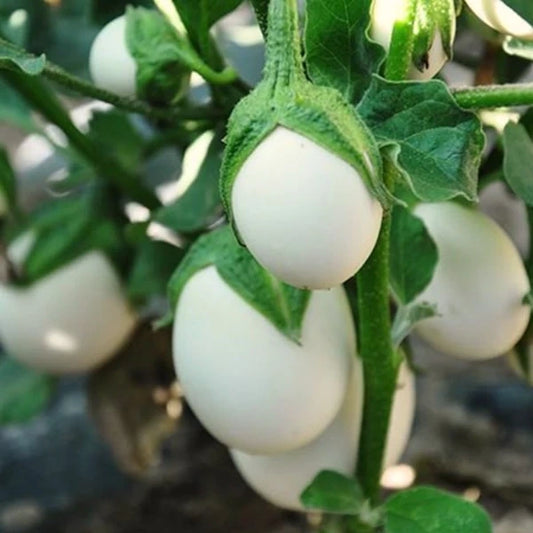
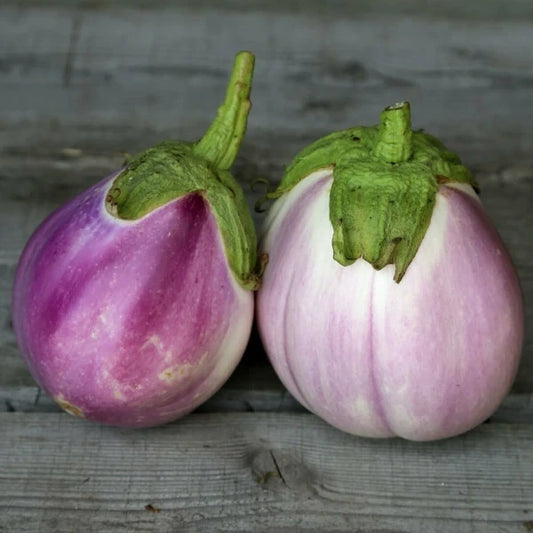
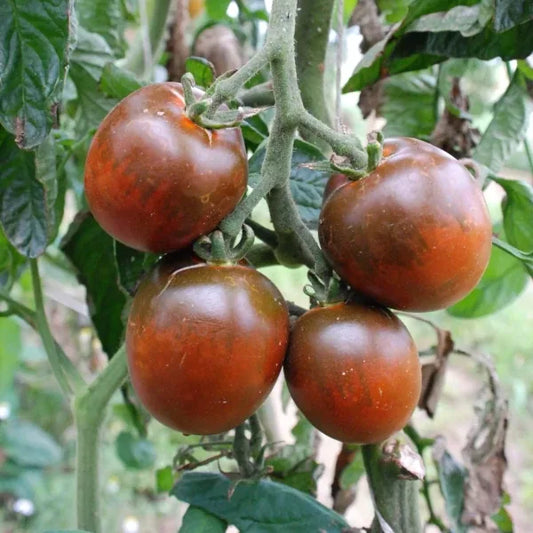
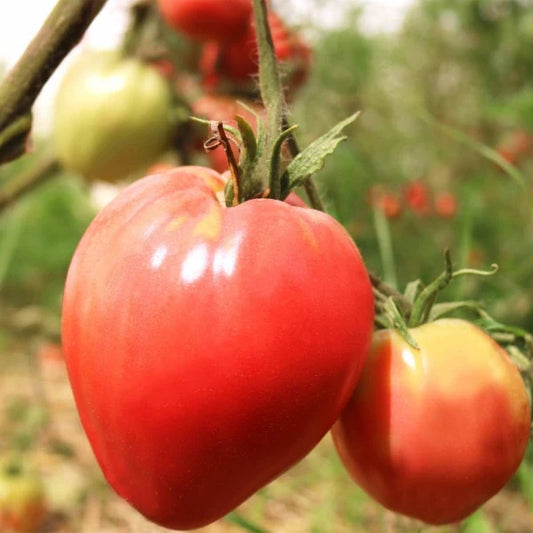
Raising plants under cover allows an early start when outdoor conditions are still too cold for reliable germination or vigorous growth. Tomatoes, peppers and aubergines are therefore often raised in containers. They need several weeks of development before outdoor temperatures are suitable for planting out. This head start is particularly valuable where the warm growing season is short.
During germination, temperature and moisture can be controlled more precisely there. After emergence, however, the young plants need sufficient light and space so that they continue to grow compactly.

The appropriate sowing time depends on how long the plants need to be raised and when they can be planted out. If sowing under cover in containers begins too early, the roots often fill the available space before planting out is possible. If the plants remain in containers that are too small, their growth slows; with insufficient light, they also develop long, thin shoots. As a result, the intended advantage of early sowing is often lost again.
Pricking out and potting on
If several seeds are sown together in a seed tray, the young plants often need more space later. Carefully separating and transplanting closely spaced seedlings is called pricking out.
Not every crop raised under cover requires this step. If seeds are sown individually in module trays or small pots from the outset, the young plants can later be transplanted with their root balls intact. This disturbs the roots less and is particularly important for species that are sensitive to transplanting.
When potting on, a young plant that is already growing individually is moved with its root ball into a larger container. This gives its roots more space if it cannot yet be planted in its final growing position. Unlike pricking out, potting on does not involve separating closely spaced seedlings.

Hardening off before planting out
Plants raised under cover are initially unaccustomed to direct sunlight, wind and changing outdoor temperatures. Before being planted out permanently, they are therefore gradually acclimatised to outdoor conditions. This transition is called hardening off.
At first, the young plants are placed in a sheltered, shady spot outdoors for a short time during the day. Over several days, they spend increasingly longer periods outside and are gradually exposed to direct sunlight and wind. As long as cold nights are still possible, heat-loving plants are brought back to a sheltered place.
An abrupt change can damage the leaves and slow growth. Heat-loving crops should only be planted out permanently once outdoor temperatures are suitable for them.
Planting out in the final growing position
When planting out, young plants are moved from the propagation area into the bed or a container where they will continue to grow. Planting holes are spaced appropriately for the crop and provide enough room for the roots. Plants grown in pots are carefully removed and planted with the root ball kept as intact as possible. Young plants from a nursery bed are gently dug up and replanted promptly so that exposed roots do not dry out.
The soil around the plants is then gently firmed and watered thoroughly. Until they are established, soil moisture should be checked regularly.
Which plants are suitable for direct sowing or sowing under cover?
Which method is more suitable depends on the time of year, climate, desired harvest time and the available options for raising young plants.
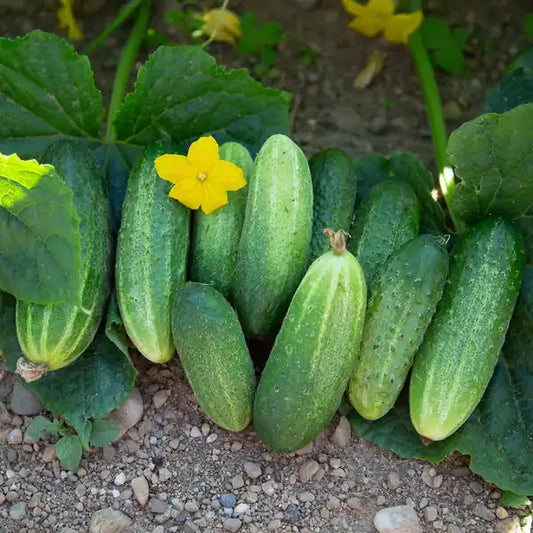
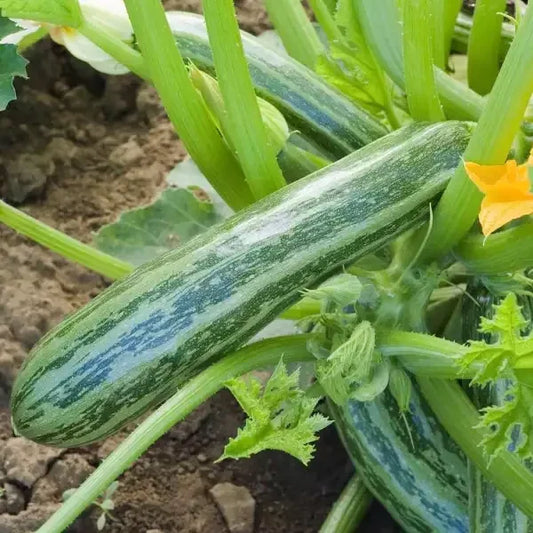
Lettuce and some brassicas can be sown directly or raised under cover, depending on the season. Sowing under cover is useful, for example, if the bed is still occupied at sowing time and the young plants will only be planted out later. Cucumbers, pumpkins and courgettes can be sown directly once the soil is warm enough or raised under cover for a short period. When raised under cover, they are sown individually and later planted out with the root ball disturbed as little as possible.

Four questions can help with the decision:
- Temperature: Are the soil and air at the sowing site already suitable for this crop?
- Development time: Is there enough time from sowing to the planned harvest?
- Roots: Does the species tolerate being transplanted later?
- Propagation space: Is there enough light, space and time available to raise the plants under cover?
The appropriate method depends on these conditions, not simply on whether a species can in principle be transplanted. The sowing methods suitable for each crop are indicated on Benjis Seeds seed packets. The product descriptions provide additional guidance.
In summary
With direct sowing, plants grow in their final position from the outset. With sowing under cover, they are first raised elsewhere and planted out later. This provides a head start when a bed is still occupied or the soil is still too cold for heat-loving crops.
For early sowing to provide a real head start, young plants need enough light and space until they are planted out. With direct sowing, the conditions at the final growing position must already be suitable. Which method is appropriate depends on the plants’ heat requirements, development time and root sensitivity, as well as the available options for raising young plants in the garden.
Discover traditional diversity
Plants that carry stories