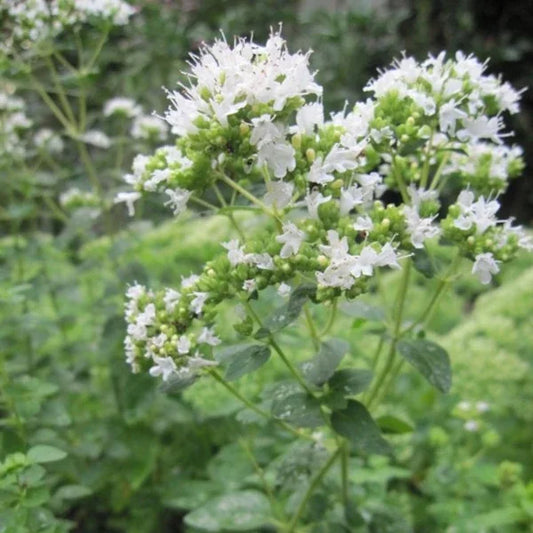
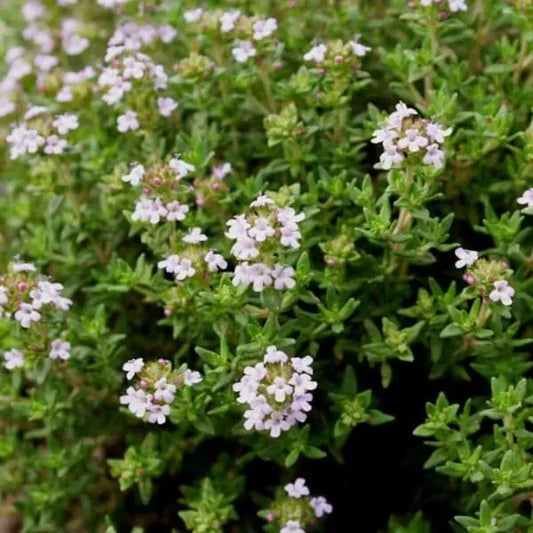
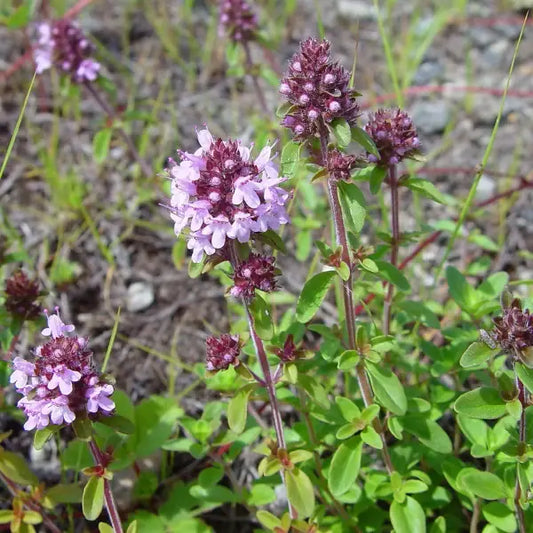
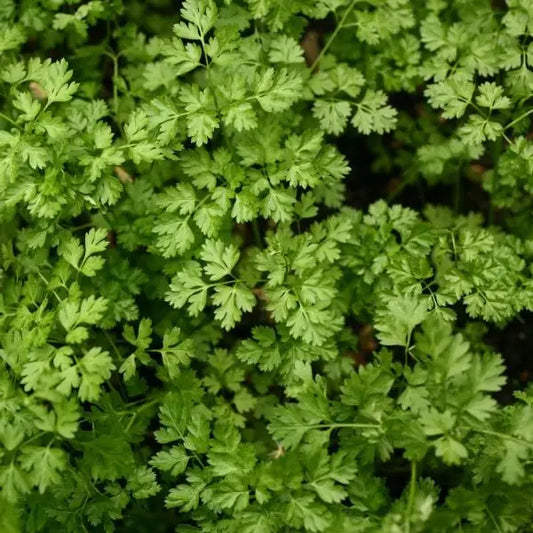
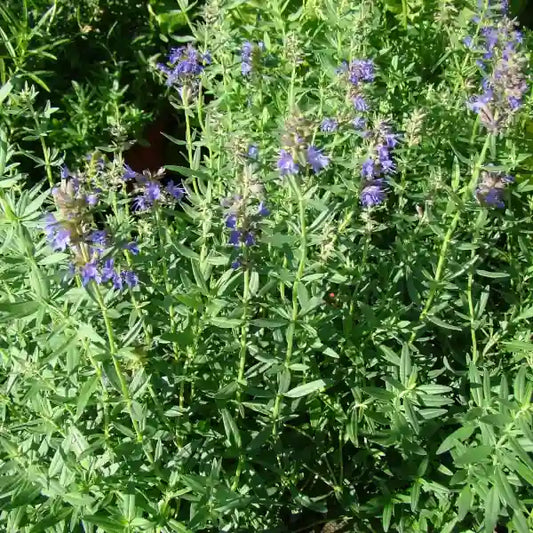
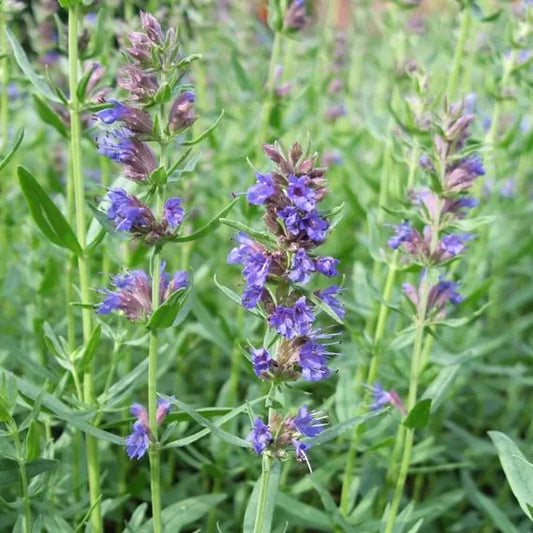
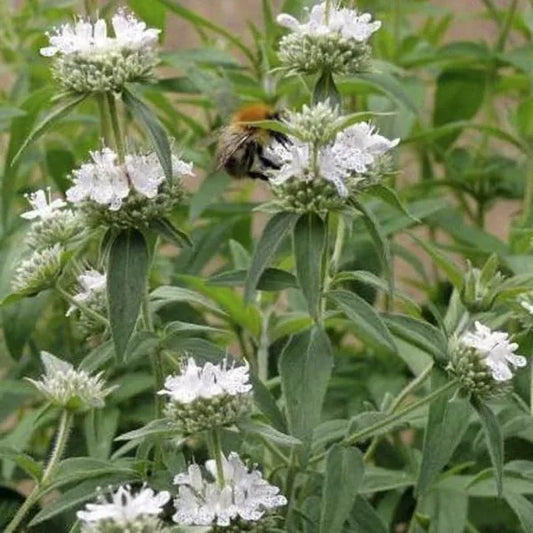
Perennial winter savory is a heat-loving herb and medicinal plant for rock gardens and dry locations. It has many beneficial properties. In folk medicine, it has been considered a symbol of strength, vitality, passion, and love. It pairs perfectly with beans! Ideal for direct sowing, pot cultivation possible, sowing spring-summer, good for mixed cultivation, harvesting the leaves.
Description
Winter savory is a perennial, ancient herb and medicinal plant with a more intense flavor than summer savory 'Satureja hortensis'. This hardy perennial is native to southern Europe, the Mediterranean, and Africa. It thrives wild in dry, calcareous grasslands and rocky areas and is commonly found in countries such as Spain, Italy, and the Balkan Peninsula. The herb was first used by the ancient Romans and Greeks around 2,000 years ago and brought to Great Britain, where it became established in gardens. For many centuries, the medicinal herb has been highly valued as a culinary spice and also for its medicinal properties. The evergreen dwarf shrub produces aromatic leaves and flowers and has a strong, spicy aroma reminiscent of sun-drenched landscapes. In folk medicine, it was often regarded as a symbol of strength and vitality, also as an aphrodisiac and associated with passion and love. The medicinal herb is used to treat indigestion and respiratory diseases and is traditionally used to support digestion, relieve flatulence and stomach pain, and promote general health. It can be harvested almost year-round and is used fresh or dried in the kitchen for meat, bean, and potato dishes or stews, making heavy foods easier to digest. A tea made from savory also supports digestion. In cosmetics, the plant's essential oils are used in skin care products. As a bee pasture, this plant is an ideal addition to any garden, and its long flowering period attracts many beneficial insects such as bees, butterflies, and hoverflies.
General information
Plant family: Lamiaceae
Life cycle: Perennial
Days to harvest: 120 days
Plant height approx.: 40 cm
Root type: Deep rooter
Nutrient requirements: Low
Water requirements: Low
Winter hardiness: Up to -20°C
Location: Sunny
Soil: Permeable, sandy loam soil
pH value: 5.5 to 7.5
Sowing and planting information
Germination type: Light germinator
Sowing depth: 0 cm
Optimal germination temperature: 17-23 °C
Germination time: 10-15 days
Plant and row spacing: 25x25 cm
Germination ability of seeds: 2-3 years
Mixed culture
Optimal mixed culture: Bean, Beetroot
Unfavorable mixed culture: Basil
Sowing by climate zone
Subtropic climate (Mediterranean) (e. g. B. Portugal, Spain, Italy)
Direct sowing is recommended from March to June. The ideal location for the plants is warm and sunny.
Moderate climate (e. g. B. Germany, Switzerland, Poland)
Direct sowing is recommended from April to July. The ideal location for the plants is warm and sunny.
General recommendations
Direct sowing in rows is recommended. After germination, thin the plants to the specified plant spacing. This subshrub prefers sunny, warm locations and is well-suited to nutrient-poor soils. It also tolerates slightly calcareous soils.
Mountain Savory does not tolerate waterlogging.
Additional tips
In order to quickly obtain a fine, crumbly and permeable soil with good nutrient and water retention capacity, additional incorporation of biochar and primary rock flour is recommended.
Type of propagation
Propagation occurs via seeds or cuttings.
Plant care
To encourage bushy and more compact growth, younger shoots and shoot tips should be trimmed occasionally. No fertilization is necessary.
Other names
Botanical names: Satureja montana
English names: Winter Savory
German names: Winterbohnenkraut, Berg Bohnenkraut
Portuguese names: Segurelha das montanhas, Segurelha de inverno, Satureja das Montanhas
Spanish names: Ajedrea, Ajedrea de montaña
French names: Aarriette des montagnes, Sarriette
Origin
Country: Portugal