Denseflower Mullein [Verbascum densiflorum]

€2,00 EUR
Save {price}%
€3.333,33 EUR kg
Price plus shipping
Delivery time: 1-2 business days (PT – international may vary)
reicht für ca. 600 Pflanzen

In stock

Historic, traditional and unchanged wild form. Genetically stable & open-pollinated - 100% free from hybrid breeding, GMOs, and synthetic fertilizers. Organically propagated - preserved in its original form.

Local pickup at Benjis Seeds

Bohnensamen2

Harvest year:

2024

Seed viability:

2 years (species-specific)
Detailed information on germination capacity

Description

Cultivation & Characteristics

Tips & Reviews

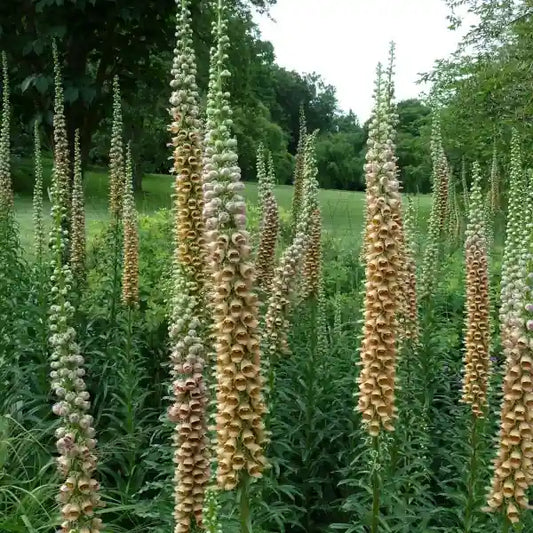
The biennial denseflower mullein is a medicinal plant known since Hippocrates and is used for wounds and respiratory diseases. The impressive perennial develops majestic yellow flowers in the second year. Ideal for direct sowing, no pot cultivation, sowing in spring-summer, unsuitable for mixed cultivation, harvest the flowers and leaves.

 Description 
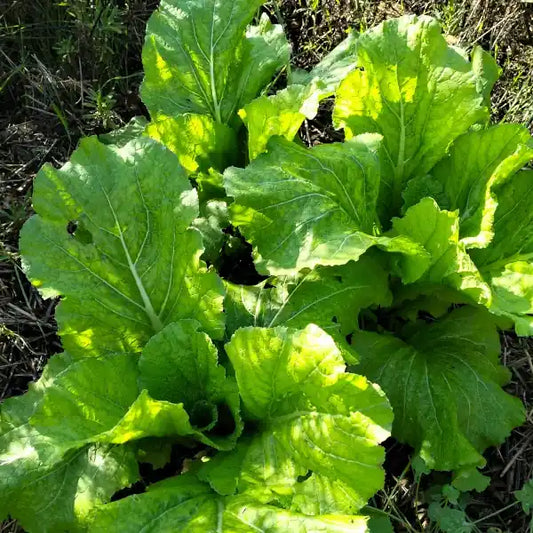
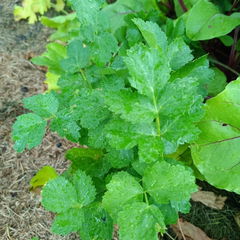
The denseflower mullein is a very old biennial medicinal plant that is native to southern Europe, Russia and Siberia. It was already recognized as a medicinal plant in ancient times and by Hippocrates and was used for wounds and respiratory diseases. It grows impressively and forms a ground-covering rosette of leaves in the first year. In the second year it develops the beautiful and majestic yellow inflorescences that grow up to two meters high and are visited by all kinds of insects. The species self-seeds and establishes itself permanently in suitable locations. The flowers contain a lot of mucilage and saponins and are therefore a good relaxing expectorant for colds in the form of a tea.

 General information 
Plant family: Scrophulariaceae
Life cycle:
Biennial
Days to harvest:
100 days
Plant height approx.:
200 cm
Root type:
Deep rooter
Nutrient requirements:
Low
Water requirements:
Low
Winter hardiness:
Up to -29°C
Location:
Sunny until semi shady
Soil:
Permeable, loamy soil

pH value: 6.5 to 8

 Sowing and planting information 
Germination type:
Light and cold germinator
Sowing depth:
0 cm
Optimal germination temperature:
20-25 °C
Germination time:
10-85 days
Plant and row spacing:
30x40 cm

Germination ability of seeds: 1-2 years

 Mixed culture 
Optimal mixed culture: Lavender
Unfavorable mixed culture: -

 Sowing by climate zone 
Subtropic climate (Mediterranean) (e. g. B. Portugal, Spain, Italy)
Direct sowing from February to June is recommended. The plants should ideally be planted in a semi shady location.
Moderate climate (e. g. B. Germany, Switzerland, Poland)
Direct sowing from March to May is recommended. The plants should ideally be planted in a sunny location.

 General recommendations 
Direct sowing is recommended. Seeds need to be exposed to cold for 8 weeks, which can be achieved by artificial stratification in the refrigerator. Direct sowing should be treated with particular care as it may dry out or be carried away by small animals such as ants. After germination, thin out the plants to the specified plant spacing. Pre-cultivation is also advisable. This adaptable plant prefers well-drained sandy or normal loam soils with moist to slightly dry conditions.
Denseflower mullein does not tolerate waterlogging.

 Additional tips 
In subtropical climates, a partially shaded location can extend the flowering period of the mullein. In order to quickly obtain a fine, crumbly and permeable soil with good nutrient and water storage capacity, additional incorporation of biochar and primary rock flour is recommended.

 Type of propagation 
Propagation occurs via seeds or root cuttings.

 Plant care 
Loosened, nutrient-rich soil and mixed planting are sufficient. No fertilization necessary.

 Other names 
Botanical names: Verbascum densiflorum
English names: Denseflower Mullein
German names: Großblütige Königskerze, Wollkraut, Fackelblume, Arznei-Königskerze
Portuguese names: Verbasco
Spanish names: Gordolobo
French names: Molène

 Origin 
Country: Germany

Cultivation_Overview_-_Anbau_im_Uberblick_-_Visao_geral_do_cultivo_-_www

Origin & Cultivation at a Glance

First mention:

1st century AD

Origin:

Europa bis Kaukasus

Breeder:

Wild form – taken into cultivation unchanged

Propagation site:

Algarve - Portugal

Suitable for:

Open field, Balcony / pot, Urban gardening

Care requirements:

Low – easy to care for, ideal for beginners.

Overwintering:

Winter-hardy - suitable for outdoor cultivation.

Special features:

Resilient, Low-maintenance, Fast-growing, Sun-loving / sunny, Shade-tolerant / partial shade, Heat-tolerant, Drought-tolerant, Cold-hardy
Plant_Growing_Instructions_-_Pflanzen_Anbau-Anleitung_-_Instrucoes_de_cultivo_de_plantas_-_www

Cultivation guide for

Großblütige Königskerze

Growing difficulty:

Easy
In subtropical climates, sow in partial shade from March to September – early propagation from January is possible.
In temperate regions, direct sowing from April to June after the last frost in full sun – starting indoors from March is advisable.
• Aussaat in durchlässigen, sandig‑steinigen und nährstoffarmen Boden. Lichtkeimer – nicht mit Erde bedecken. Pflanzabstand: 40 × 40 cm.

Cultivation tips:

Direct sowing is recommended – young plants grow stable and vigorous.
Thin out early so the plants have enough space.
Good air circulation protects against aphids and fungal diseases.
Ideal for prairie plantings and dry gardens; can be combined with Mediterranean herbs.

Storage instructions:

Store seeds in a cool, dry, dark, and airtight environment to maximize shelf life and germination.
Detailed information on seed storage
Plant_Profile_-_Pflanzen_Steckbrief_-_Ficha_da_planta_-_www

Plant Profile

Plant details

Botanical name:

Verbascum densiflorum Bertol.

Botanical family:

Plantaginaceae

Plant type:

Medicinal plant

Life cycle:

Zweijährig bis kurzlebig mehrjährig (2–3 Jahre)

Cultivation period:

14–18 Monate

Growth habit:

Upright growth, Herbaceous, Forms a rosette

Plant width:

50 cm

Plant height:

200 cm

Root type:

Deep-rooted, Taprooted

Hardy to:

-30 °C

Cultural meaning:

Historical, Traditional

Suitability for cultivation and use:

Summer crop, Peak season, Self-sufficiency, Biodiversity, Variety conservation, Educational projects / School garden, Processing

Propagation method:

Generative propagation by seed, Self-seeding

Propagation:

• Diese Sorte ist fremdbefruchtend durch Insektenbestäubung und gehört zur Gattung Verbascum.
For seed production, a minimum isolation distance of 500 m from other varieties of the same species is recommended to prevent cross-pollination.
• Die Pflanze ist zweijährig – im zweiten Jahr bildet sie hohe, verzweigte Blütenstände mit zahlreichen, kleinen und gut ausreifenden Samen in trockenen Kapselfrüchten.
The seeds are ready for harvest once the seed heads have fully dried and become slightly brittle.

Sowing & Planting

Germination type:

Light germinator, Temperate germinator

Sowing depth:

0 cm

Germination temperature:

18-22 °C

Germination time:

14-21 days

Pot culture:

Not recommended – better grown in garden beds.

Row spacing for baby leaf:

Not suitable for baby-leaf cultivation.

Plant spacing:

40 cm

Row spacing:

40 cm

Pricking out / thinning out:

No thinning required – direct sowing recommended.

Planting time:

Transplanting not required - direct sowing is recommended.

Soil

Soil type:

Well‑drained, sandy‑stony, low‑nutrient loam soil

Soil pH:

6.0-7.5 – slightly acidic to alkaline

Nutrient requirements:

Weak‑ to moderate feeder

Soil moisture:

Drought-tolerant, Adaptable, Sensitive to waterlogging

Soil preparation:

Loosen soil deeply before sowing, Prepare soil weed-free and with a fine crumb structure.

Companion planting, Crop rotation & Harvest

Companion plants:

Thyme species, Oregano, Lavender, Sage, Hyssop, Yarrow, Dyer’s chamomile

Incompatible plants:

Heavy feeder, Large‑leaved, strongly spreading species, Moisture‑loving plants

Crop rotation guidelines:

• Nach Kultur mindestens 3 Jahre Pause vor erneuter Pflanzung verwandter Braunwurz‑/Wegerichgewächse.

Harvest time:

Spring, Summer, Autumn

Sowing to harvest:

12–16 Monate

Harvested parts:

Flowers, Leaves, Roots

Suitable for consumption:

Yes – mainly for tea and traditional medicinal uses.

Intended use:

Tea, Drying / Dehydrating, Tinctures, Ointments, Dye plant, Pollinator plant, Wild perennial, Companion perennial, Natural garden, Decoration

Care & Cultivation practices

Water requirements:

Low

Plant care techniques:

Thin out after germination when sown directly, Irrigate occasionally, Maintain weed-free, Loosen and hoe

Plant protection:

Slug protection recommended, Well-ventilated location and good drainage recommended.

Cultivation notes:

Proven and easy to cultivate Susceptible to slugs and snails in early development. At a later stage, the hardier leaves are less vulnerable. Growth depression under overfertilisation – prefers poor soil. Sensitive to waterlogging – use well-drained soil.

Other names

EN - English names:

• Dense-flowered mullein • Dense mullein

DE - German names:

• Großblütige Königskerze • Großblütiges Wollkraut • Wollblume

PT - Portuguese names:

• Verbasco

ES - Spanish names:

• Gordolobo

FR - French names:

• Molène dense
Practical_Planting_and_Care_Tips_-_Praktische_Aussaat-_und_Pflegetipps_-_Dicas_praticas_de_sementeira_e_cuidados_-_www

Practical sowing and care tips

Saattiefe - Bedingt Keimverhalten und Gesundheit

Sowing depth - Determines germination and health

Germination rate too low or plants bending over? Decisive factors for sowing depth. In this article from my gardening handbook,...
Read more here
Aussaat-Arten - Direktsaat und Vorkultivierung

Sowing methods - direct sowing and pre-cultivation

How do I sow seeds: direct sowing or pre-cultivation? In this article, we'll explain the background of both methods, along...
Read more here
Keimarten und Umgebungsfaktoren - Wie Samen keimen

Germination types and environmental factors - How seeds germinate

Which germination types are relevant, and what should you consider when germinating seeds? In this article, we've compiled a simple,...
Read more here
Mulch - Wasser sparen und Wachstum fördern

Mulching - save water and promote growth

Nature as a model - mulching has numerous advantages that benefit the health of soil life and plants. In this...
Read more here

Customer Reviews

Be the first to write a review
0%
(0)
0%
(0)
0%
(0)
0%
(0)
0%
(0)

Further recommendations for you

100% open-pollinated & reproducible