Asian Mint Jing Jie – traditional aromatic culinary and medicinal herb with a mild minty scent and fruity notes.
Annual with a mild, minty‑fresh aroma and a low menthol content. It grows reliably, germinates easily and is suitable for outdoor beds, pots and natural herb plantings. Forms fine, shallow roots and can be cut several times. Ideal for self‑sufficiency and organic herb cultivation.
 Origin & History
The Asian mint Jing Jie (Schizonepeta tenuifolia) is a medicinal and culinary herb that has been used for centuries in traditional Chinese medicine (TCM). Its natural range includes the temperate to warm regions of China, Korea, Japan and neighbouring parts of East Asia. The Chinese name „荆芥“ (Jīng Jiè), literally “thorn mint”, refers to its traditional use and its fine, slightly rough stems. Botanically, the plant belongs to the Lamiaceae family, subfamily Nepetoideae, and the genus Schizonepeta.
Its earliest written mention appears in the classical herbal text 神農本草經 (Shénnóng Běncǎo Jīng), compiled between the 1st century BCE and the 1st century CE. There, Jing Jie is described as a herb that “expels wind” and “releases the exterior”, referring in historical TCM terminology to its use for early‑stage colds, chills and weather‑related discomfort. Later works such as the 名醫別錄 (Míngyī Biélù) also mention its use for itchy skin conditions. The 本草綱目 (Běncǎo Gāngmù, 1596) describes Jing Jie as a plant whose dried flowering spikes were traditionally used for sensitivity to cold and wind, skin reactions and seasonal ailments.
With the spread of East Asian herbal traditions, Jing Jie reached Europe and North America from the 20th century onwards, where it is cultivated as an aromatic tea and medicinal herb. Its characteristic mild mint aroma with fruity notes, shaped by a low menthol content, clearly distinguishes it from classic peppermint varieties. Thanks to its long history of use, its versatility and its essential oil content, Jing Jie is still regarded as one of the oldest and most significant traditional medicinal plants of East Asia.
 Appearance & Characteristics
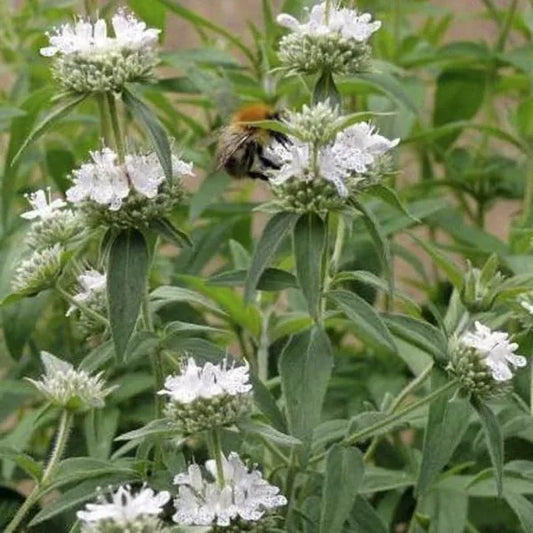
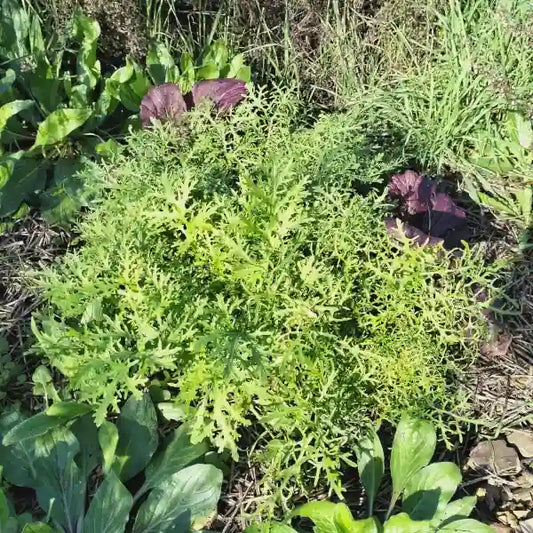
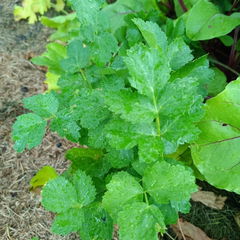
The plant is annual, herbaceous and grows upright with loosely branched stems. The small violet‑blue to whitish flowers appear from summer onwards in narrow, spike‑like inflorescences and attract large numbers of bees and other pollinators. It develops a fine, shallow root system. As it is not winter‑hardy, it dies back after seed maturity.
Plant details:
Height: Medium, 60–70 cm
Form: Upright, loosely bushy, branched
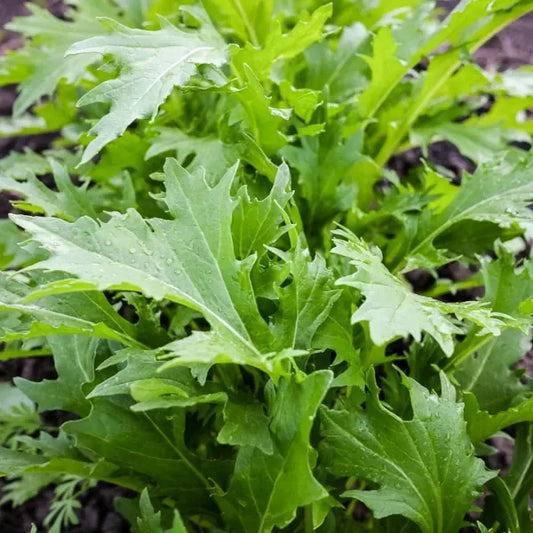
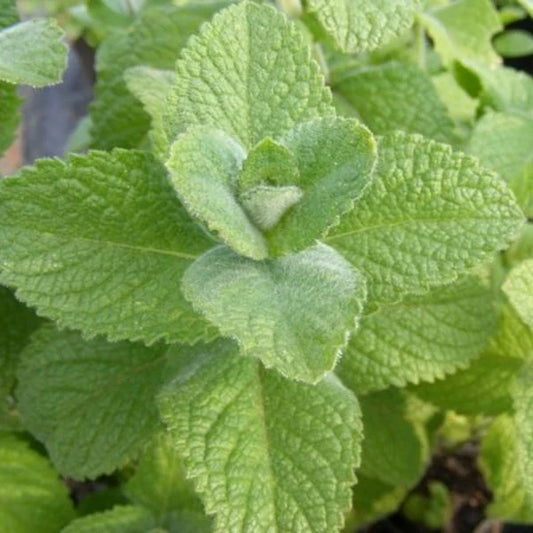
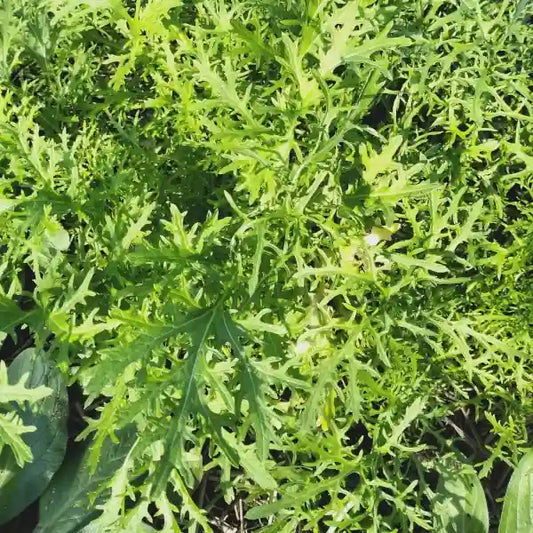
Leaves: Finely serrated, delicate
Flowers: Violet‑blue to white, in spikes
Flavor: Aromatic, mildly minty, fruity, low menthol content
 Usage & Cultivation Highlights
Asian mint Jing Jie is ideal for tea, Asian dishes, herb blends, aromatic applications and traditional herbal preparations. In the kitchen it enhances soups, salads, light summer dishes, herb butter and smoothies. Dried flowering spikes are used for aromatic tea blends and scented sachets, while fresh shoots enrich flavourful oil infusions and herbal vinegars. In East Asia, Jing Jie is also used for incense blends, herbal baths and as a gently aromatic seasoning herb in broths and vegetable dishes.
Jing Jie grows reliably outdoors, in polytunnels and in pots. The plant is easy to care for, grows quickly and can be cut several times. Its flowers attract numerous beneficial insects such as bees and hoverflies, supporting biodiversity in the garden. It prefers well‑drained, rather lean soils, tolerates dry periods well and regenerates quickly after each cut. Ideal for herb spirals, naturalistic gardens and organic herb cultivation. It also germinates reliably even under fluctuating temperatures, remains compact and sturdy, shows excellent tolerance to repeated cutting and develops into a productive herb plant even in short growing seasons.
Compared to classic mints, Jing Jie is the traditional TCM medicinal plant with a particularly mild aroma and low menthol content – perfect for anyone looking for an uncomplicated, aromatic and versatile culinary herb.