'Petit Gris de Rennes' Melon – historic French cantaloupe with intensely sweet, aromatic fruits.
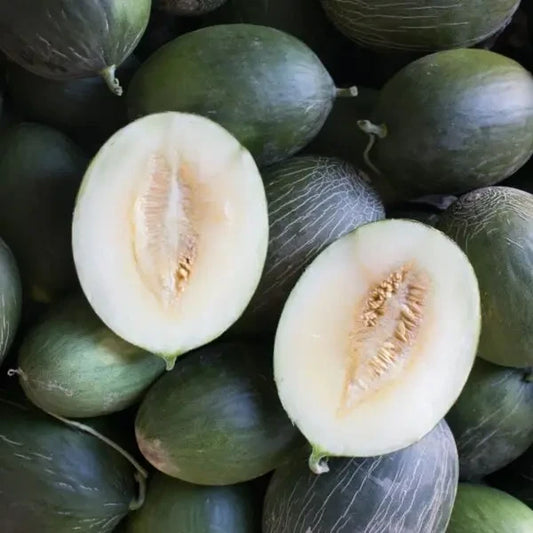
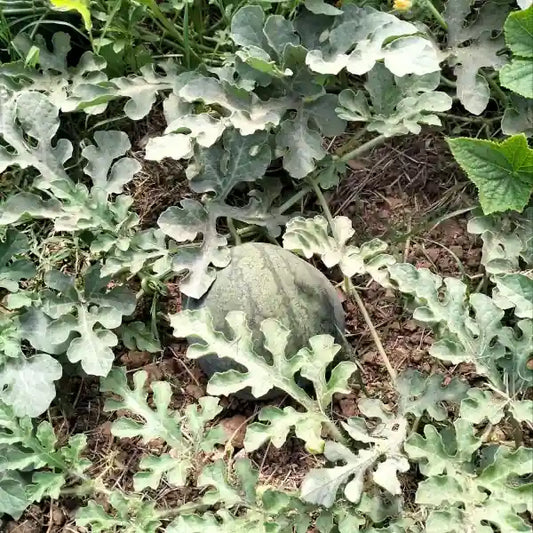
A heat‑loving, traditional cantaloupe melon with 600–900 g round‑oval fruits, grey‑green and finely netted. Its flesh is meltingly tender, very juicy and exceptionally aromatic, with the classic spicy‑sweet cantaloupe fragrance. The plants grow vigorously — vining to trailing — reliably producing several medium‑sized fruits and performing excellently in warm open‑field conditions, polytunnels, raised beds and protected plots. Open‑pollinated, early‑ripening, intensely aromatic and ideal for self‑sufficiency, direct marketing and organic cultivation.
 Origin & History
‘Petit Gris de Rennes’ is a historic, open‑pollinated French cantaloupe melon first described in 1712 in the gardening manual Le Jardinier Solitaire. It is among the oldest documented melon varieties in Europe and was cultivated for centuries in Brittany, where it was valued for its intense aroma and reliable ripening.
The variety arose from regional selections of small, early‑ripening cantaloupe types that could mature reliably even in the cooler summers of northern France. Its name refers to the characteristic grey‑green rind (“gris”) and the historical growing region around Rennes.
Passed down for generations in monastic gardens, farm holdings and urban kitchen gardens, ‘Petit Gris de Rennes’ became a beloved market melon long before modern hybrids existed. Its fragrance and sweet, melting flesh made it a favourite, combining traditional French garden culture with remarkable aromatic density, stable fruit set and natural resilience to variable summers.
In French summer cuisine it is eaten fresh, used in desserts or served as an aromatic starter with herbs and cheese. Its intense fragrance is considered a hallmark of historical cantaloupe varieties and continues to make it a cherished heirloom today.
 Appearance & Characteristics
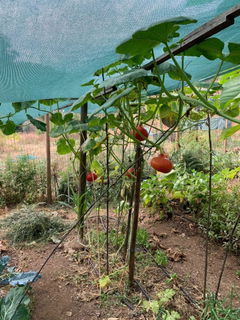
The plants are annual, develop vigorous vining shoots and reach 100–150 cm spread on the ground, or climb up supports to 150–180 cm in height. Warm‑loving; minimum temperature for cultivation is 12–14 °C.
Fruit details:
Size: Medium‑sized, fruits weighing 600–900 g
Shape: Round to slightly oval
Color: Grey‑green netted, turning slightly yellowish when ripe
Texture: Meltingly tender, very juicy
Flavor: Intensely sweet, aromatic‑spicy, classic cantaloupe aroma
 Usage & Cultivation Highlights
The fruits of ‘Petit Gris de Rennes’ are excellent for eating fresh, fruit salads, desserts, smoothies, sorbets and light summer dishes. Its melting, sweet flesh purées and juices beautifully and works well in chilled desserts. Cut into cubes, it is ideal for bowls, fruit platters, decorative arrangements and refreshing drinks. Thanks to its intense aroma, the variety is highly versatile — from fresh snacks and light summer cuisine to frozen melon cubes, fruit purées or sweet components in cold starters. It also excels in melon salsa, fruity chutneys, infused waters, summer gazpachos and yoghurt‑based desserts.
‘Petit Gris de Rennes’ is robust, early‑ripening and delivers stable yields even in variable summers. The variety shows good tolerance to cooler nights, sets fruit reliably and benefits from sunny, warm locations. The plants are vigorous and vining, making them well suited to organic systems, mixed cropping and self‑sufficiency. With its stable fruit set, intense aroma and compact fruit size, it is particularly attractive for direct marketing and home growing. It also convinces with seed‑true quality, high aromatic density, good fruit‑set rates in warm weather and natural resilience to typical melon stress factors. Its compact, easily managed growth habit simplifies care, while early maturity ensures a dependable summer harvest. Under protected conditions it ripens especially evenly and develops its characteristic spicy‑sweet cantaloupe aroma.
Compared with many modern hybrids, ‘Petit Gris de Rennes’ stands out for its intense flavour, early maturity, open-pollinated quality and historical resilience — ideal for anyone seeking an aromatic, reliable and traditional cantaloupe melon.