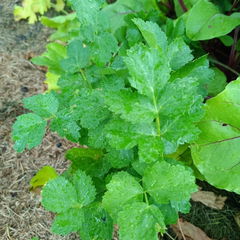
The perennial purple coneflower is a wild, traditional medicinal plant that is still widely used today due to its medicinal properties. It prefers moist locations but can also tolerate short periods of drought. It also makes a beautiful ornamental plant and insect magnet for the garden. Ideal for direct sowing, pot cultivation possible, sowing spring-autumn-winter, good for mixed culture, harvesting roots, flowers and seeds.
Description
The purple coneflower is a perennial traditional medicinal plant rooted in Native American traditions. Native to the central and eastern regions of North America, this medicinal plant grows primarily in the prairies and open woodlands. Decades ago, this robust herb was prized and used in many ways by the indigenous peoples of North America for its healing properties. It was considered a panacea and used to heal wounds from snakebites, toothaches, and inflammation, as well as as an anti-infective agent. In the late 19th and early 20th centuries, this hardy plant became more important to many physicians, treating conditions ranging from syphilis to dysentery. Today, it is widespread throughout the world, extensively researched, and often grown in gardens for both medicinal and ornamental purposes. In herbal medicine, it is used primarily for its potential immune-boosting properties, but is also used to prevent or treat colds and respiratory infections, reduce inflammation, relieve pain, and support skin health. The plant is used as a tea, tincture, capsules, and for external application. Unlike 'Echinacea pallida,' the purple coneflower prefers a nutrient-rich and moist location and often grows bushier. This sun-loving plant has bright purple flowers and, thanks to its long flowering period, is an excellent food source for pollinating insects.
General information
Plant family: Asteraceae
Life cycle: Perennial
Days to harvest: 110 days
Plant height approx.: 100 cm
Root type: Deep rooter
Nutrient requirements: Low
Water requirements: Medium
Winter hardiness: Up to -23°C
Location: Sunny
Soil: Permeable, humus-rich loamy soil
pH value: 5.5 to 7.5
Sowing and planting information
Germination type: Dark and cold germinator
Sowing depth: 0.5-2 cm
Optimal germination temperature: 15-20 °C
Germination time: 14-21 days
Plant and row spacing: 40x40 cm
Germination ability of seeds: 3-4 years
Mixed culture
Optimal mixed culture: Milfoil yarrow, Scented nettle
Unfavorable mixed culture: -
Sowing by climate zone
Subtropic climate (Mediterranean) (e. g. B. Portugal, Spain, Italy)
Direct sowing is recommended from October to May. The ideal location for the plants is sunny.
Moderate climate (e. g. B. Germany, Switzerland, Poland)
Direct sowing from April to May or in autumn from September to October is recommended. The ideal location for the plants is sunny.
General recommendations
To improve seed germination, exposure to cold temperatures at 2°C for approximately 1-2 weeks is recommended. This can be achieved by artificial stratification in the refrigerator. Then, sow as usual at warmer temperatures, either directly in rows or broadcast. After germination, thin the plants to the specified plant spacing. The seeds will germinate even without stratification, but their germination rate will be somewhat reduced. Echinacea purpurea needs moist, nutrient-rich soil; occasional drought is tolerated.
Purple coneflower prefers a permeable, nutrient-poor, dry to moist and humus-rich loamy soil. Sandy to gravelly loamy soils, limestone, and occasional drought are tolerated. Doesn't tolerate waterlogging.
Additional tips
To extend the flowering period of the coneflower, individual flowering shoots can be cut back. However, care should be taken not to interfere with the formation of larger clumps. It is also beneficial to cut back the faded parts of the plant so that the plants can invest more energy in new shoots. The perennial is relatively short-lived, but it produces abundant seeds to maintain its population. In order to quickly obtain a fine, crumbly and permeable soil with good nutrient and water retention capacity, additional incorporation of biochar and primary rock flour is recommended.
Type of propagation
Propagation occurs via seeds, root devision or cuttings.
Plant care
To ensure proper root development, water regularly during the first few weeks after planting. In spring, it's helpful to work some compost into the soil so the plants can start the season more lushly. Generally, no fertilization is necessary.
Other names
Botanical names: Echinacea purpurea
English names: Purple coneflower
German names: Purpur-Sonnenhut, Roter Scheinsonnenhut, Igelkopf, Augustkönigin
Portuguese names: Equinácea roxa, Equinácea púrpurea, Flor de cone, Flor de cone roxa
Spanish names: Equinácea purpúrea
French names: Échinacée pourpre
Origin
Country: Germany